Use this EUFerry operator guide to understand where Naviera Armas sails and the practical options to
consider before checking current availability and fares.
Current-brand guide: use Baleària Canarias for the Canary network and verify the operating carrier for former Armas mainland and North Africa routes. The historic brand is not an additional competing operator. Official source 1 · Official source 2
A famous Canarian ferry name entering a new operating era
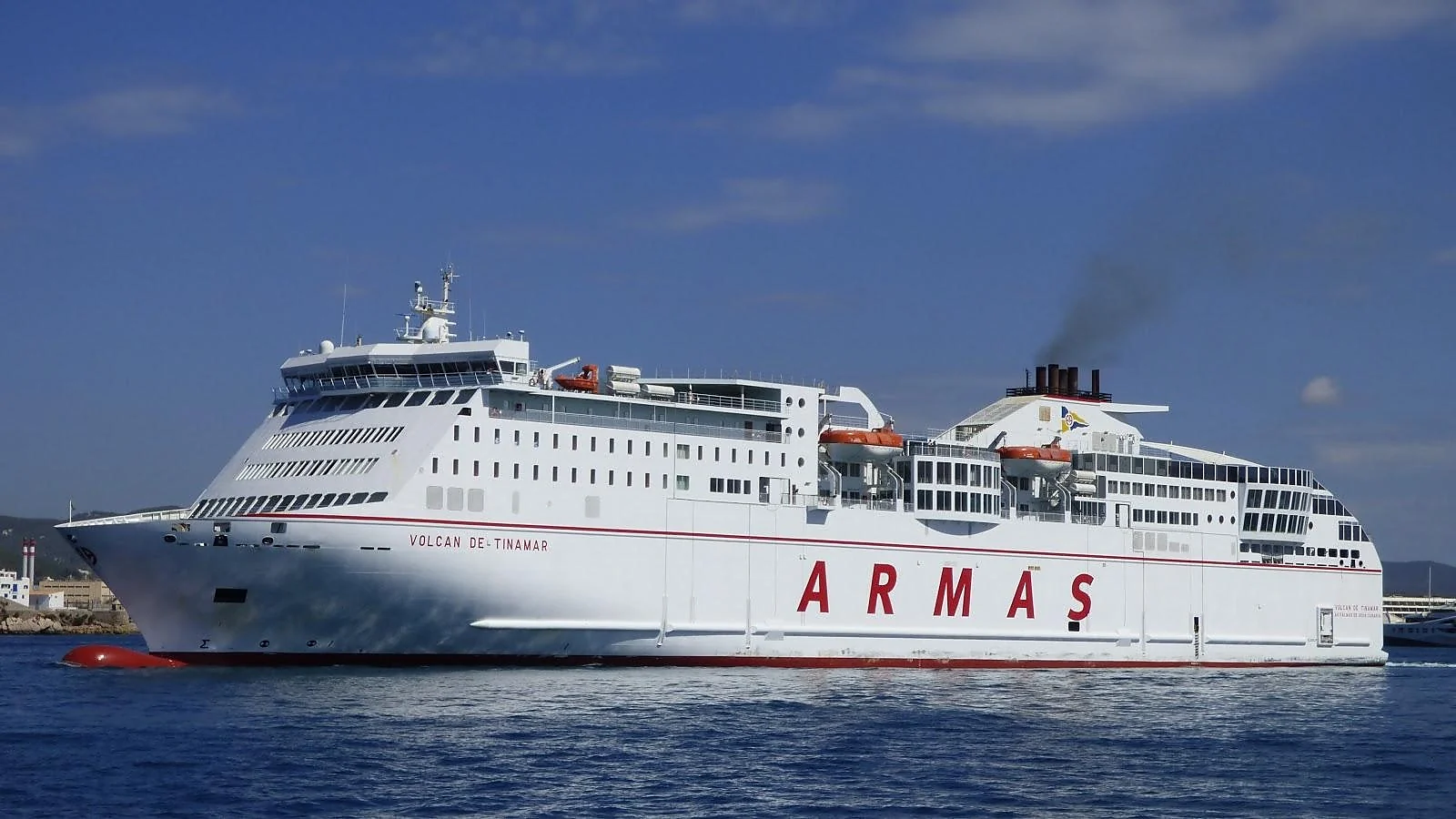
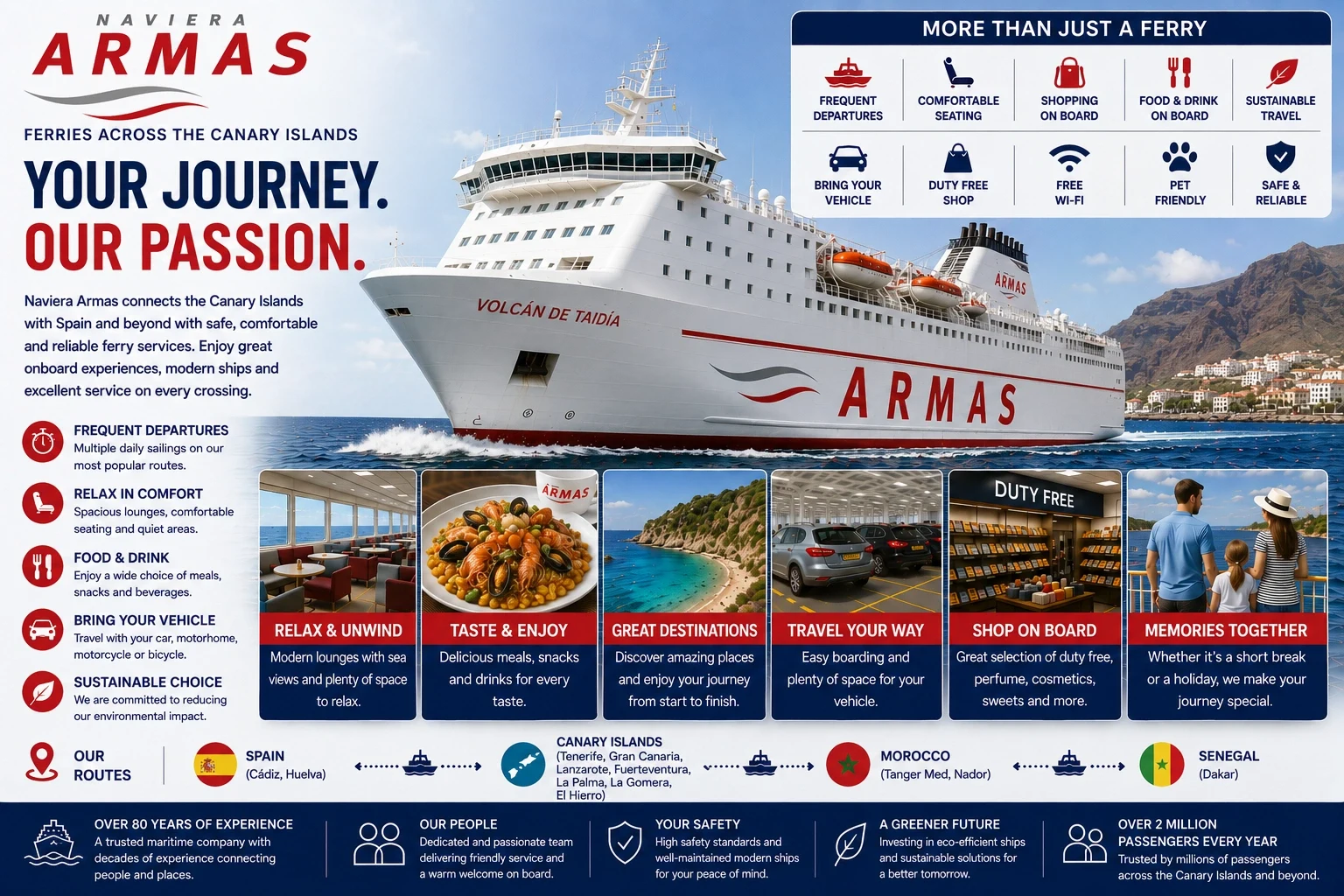
Naviera Armas grew into one of the most recognisable ferry names in the Canary Islands, connecting
the archipelago with frequent inter-island passenger and vehicle services. Following its combination
with Trasmediterránea, the wider network also covered mainland Spain, Ceuta, Melilla, Morocco and
Algeria.
The corporate structure changed decisively in 2026. Baleària took effective control of Armas Trasmediterránea's Canary Islands assets on 18 May 2026, including inter-island routes and mainland–Canaries connections. The new Baleària Canarias brand is being introduced while Armas branding can still appear during the transition.
Baleària then completed the acquisition of the remaining Strait and Alborán assets on 1 July 2026. For travellers, the practical lesson is simple: the Naviera Armas name remains useful for identifying familiar routes, but the current operator shown for the exact sailing now matters more than the historic brand.
2026 transition: Always verify the operator, ship, ports and conditions on your current booking confirmation. Older Armas route pages and search results may still be visible while services move into Baleària and Baleària Canarias.
EUFerry editorial note: this page keeps Naviera Armas as a searchable operator reference while clearly distinguishing the historic brand from the operating structure now in place.
Representative Canary Islands links
Routes associated with Naviera Armas
The network has traditionally been much broader than these three examples. They show the mix of
short fast-ferry crossings and longer island connections still visible in the current transition
timetable.
About 50 minutesFast ferry
Tenerife
Los Cristianos
La Gomera
San Sebastián
Los Cristianos–San Sebastián de La Gomera remains one of the best-known short crossings associated
with the Armas network. Current 8 August 2026 schedules show fast-ferry journeys of about 50
minutes.
Useful for day trips and longer La Gomera stays
Cars and other vehicles can be carried on suitable departures
Current transition branding may be Baleària Canarias
Las Palmas–Morro Jable remains promoted in the current transition booking environment as a
fast-ferry connection between Gran Canaria and southern Fuerteventura.
Useful for Fuerteventura road trips and vehicle travel
Alternative Fuerteventura services also use Puerto del Rosario
Check the dated timetable because ship assignment and frequency can change
A broad island network that should now be read as a transition map
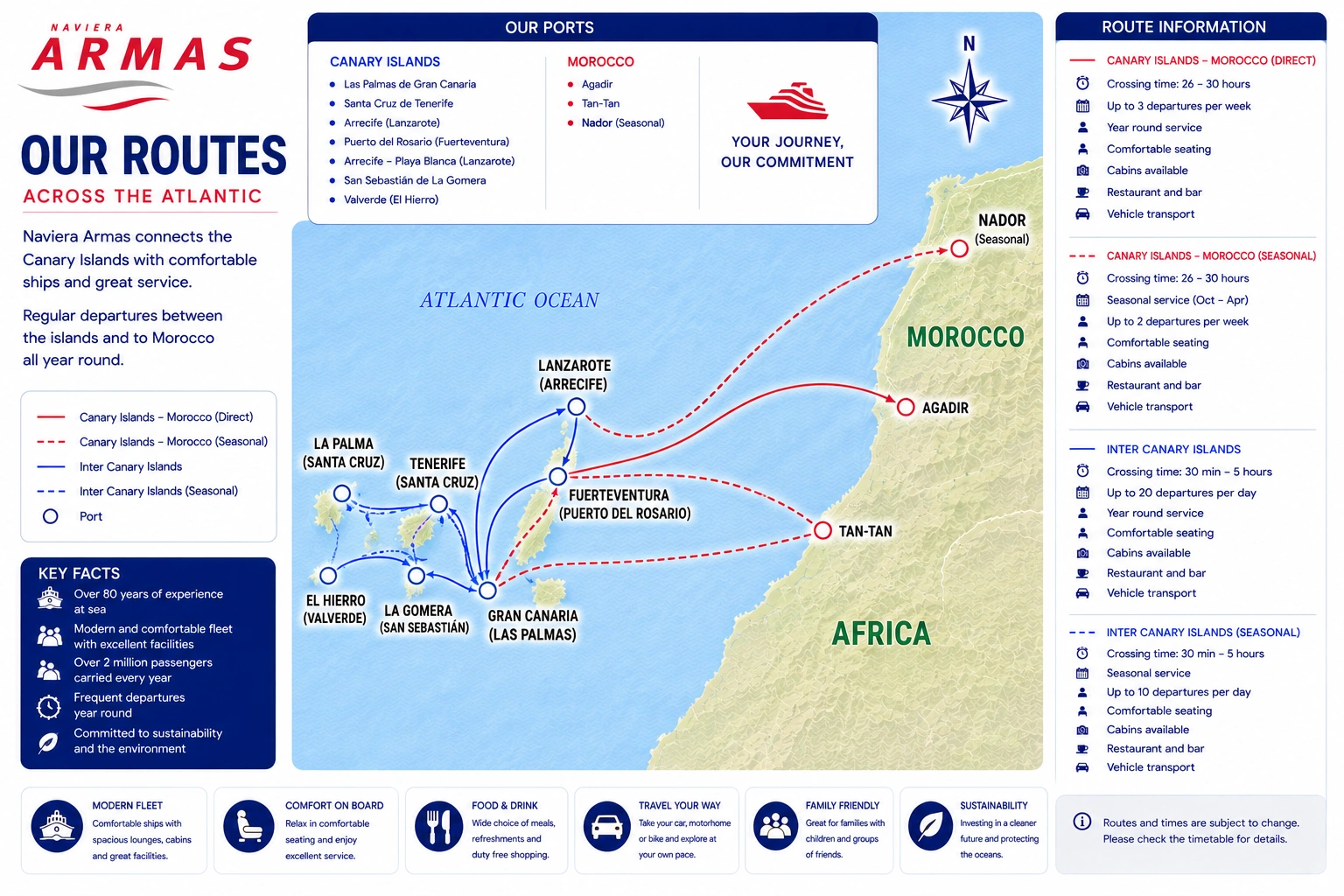
The EUFerry route map shows the geographic pattern historically associated with Naviera Armas across
the Canary Islands and beyond. The underlying travel corridors remain useful, but the corporate
operator attached to a route changed during 2026.
Use the map for orientation only. Current routes, frequencies, vessels and branding must be
confirmed in the live booking result for your travel date.
After choosing the most practical route, compare the live Naviera Armas sailing for departure time,
calling pattern, passenger requirements and the facilities or accommodation shown for that service.
The complete itinerary and arrival location can matter more than a small difference in the headline
fare.
Some older Armas material also covers mainland Spain and North Africa. Those assets were
incorporated into Baleària during 2026, so current operator details need particular attention.
Illustrative Naviera Armas route map — verify the current operator and live timetable for your travel date.
Ports and places
Three gateways that explain the Armas network
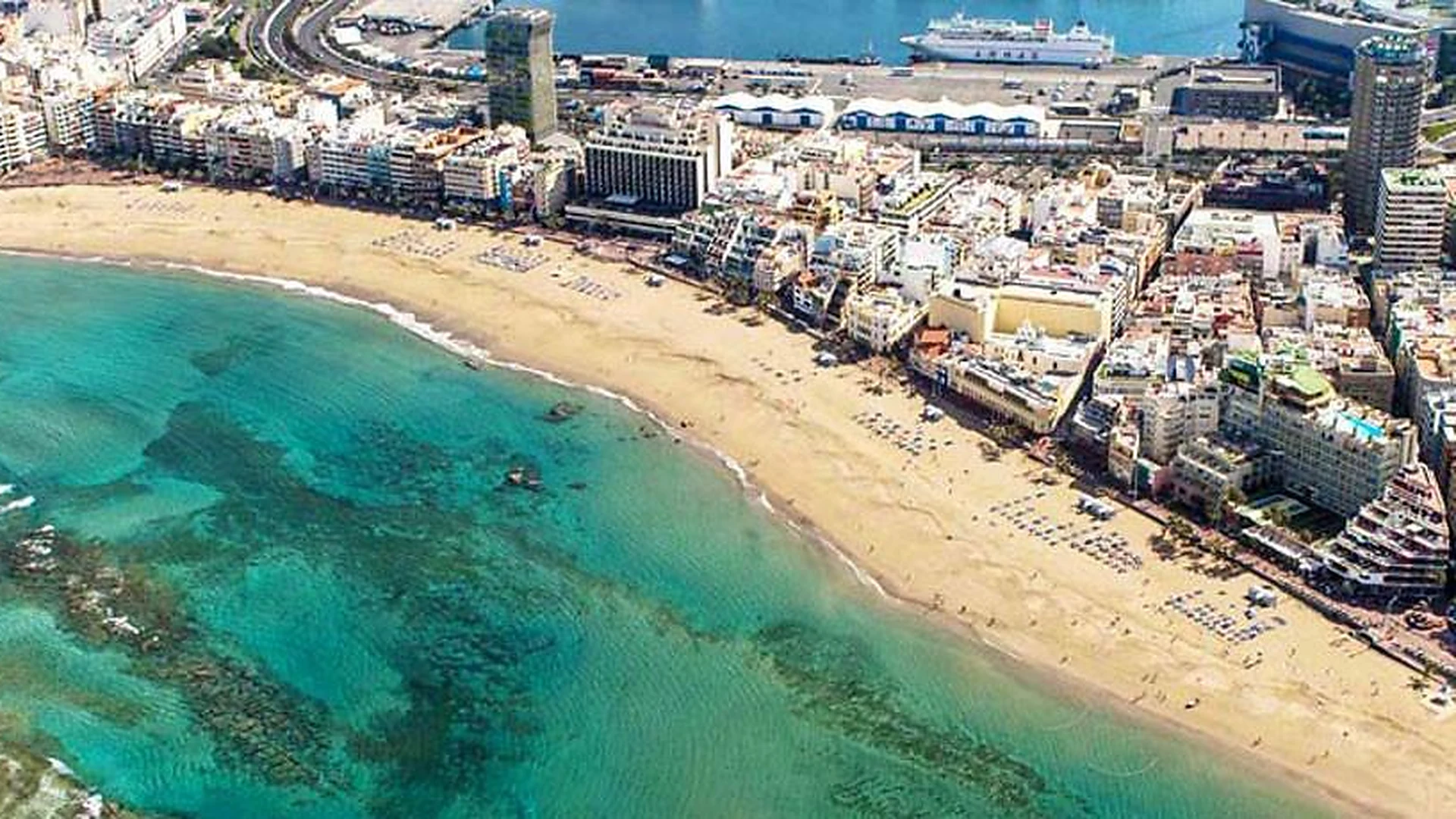
Las Palmas and Santa Cruz de Tenerife sit at the heart of Canary Islands ferry travel, while Almería
represents the wider southern-Spain and North Africa network historically associated with Armas
Trasmediterránea.
Gran Canaria hub
Las Palmas
Las Palmas is a major inter-island gateway with routes towards Tenerife, Fuerteventura, Lanzarote
and other islands, as well as long-distance mainland connections.
Santa Cruz forms a central interchange for services involving Gran Canaria, Lanzarote,
Fuerteventura, La Palma and the mainland, while Los Cristianos serves several western-island fast
ferries.
Almería was an important mainland departure point for Armas Trasmediterránea services towards
Melilla, Nador and Algeria. These Alborán assets became part of Baleària in July 2026.
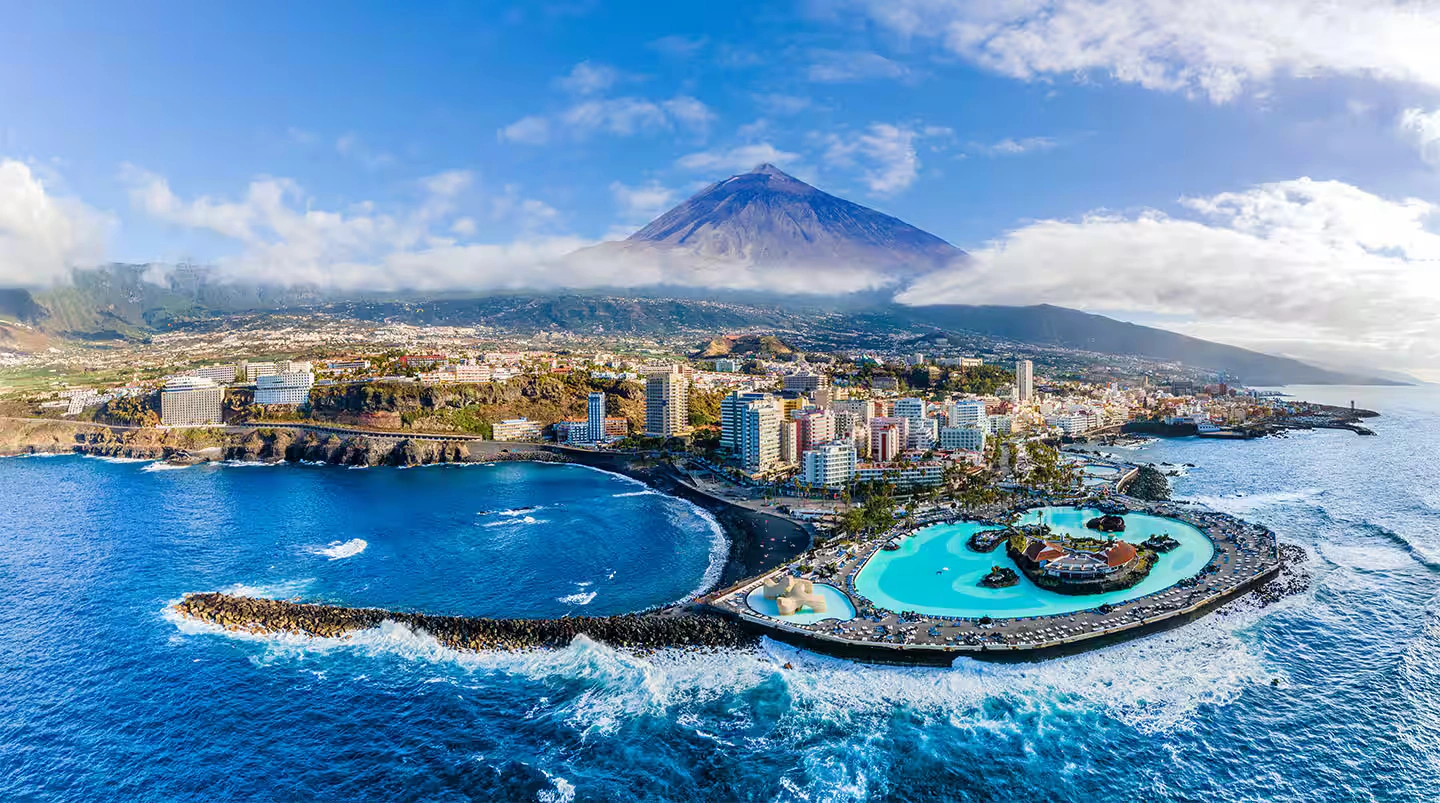
Tenerife has major ferry activity at both Santa Cruz and Los Cristianos. Always check the exact port
before arranging a hotel, hire car return or airport transfer.
Fast ferry or longer conventional crossing
Seats and cabin accommodation
The wider Armas network ranges from sub-hour fast ferries to overnight and long-distance services,
so accommodation varies significantly by route and assigned ship.
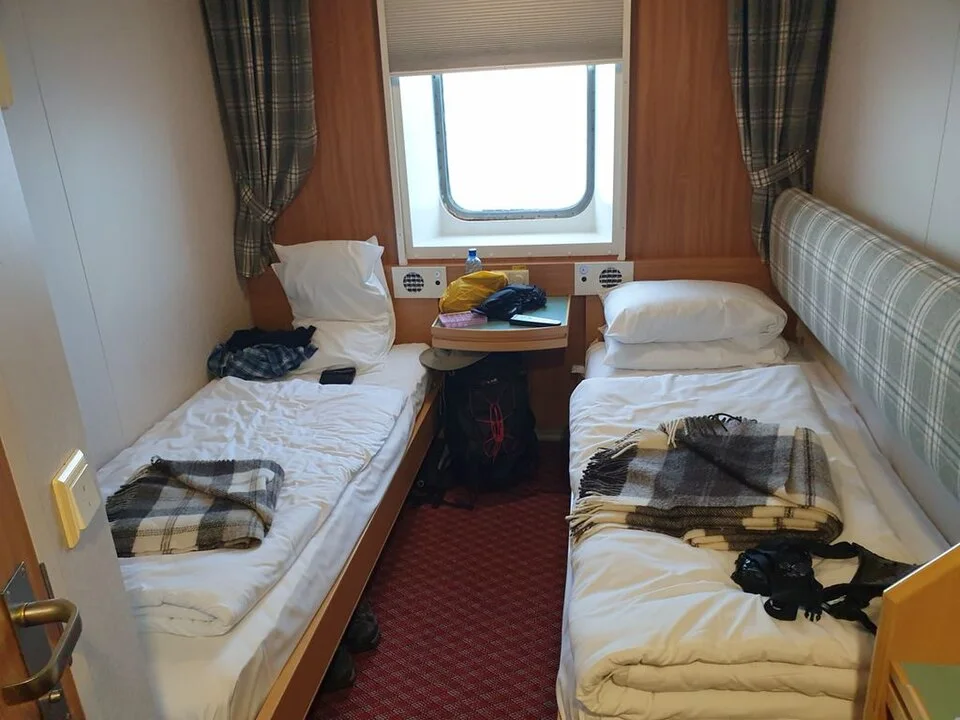
Cabins are particularly valuable on long mainland–Canaries or overnight crossings. Higher cabin categories can add privacy and comfort on suitable conventional ferries.
Tourist seating
Standard passenger seating is the normal choice on shorter Canary Islands fast-ferry crossings and
keeps the fare simple.
Best considered forShort and medium daytime crossings
Premium seating
Selected vessels offer Premium Class or upgraded lounge seating with additional comfort and,
depending on the ship, extra service benefits.
Best considered forPassengers wanting quieter or enhanced lounge space
Double cabins
Private two-berth cabins can be available on longer conventional ferries and are useful for couples
or solo travellers who want to rest.
Best considered forOvernight and long-distance travel
Quadruple cabins
Four-berth cabins suit families and groups and can be more practical than several separate seats on
a long Atlantic crossing.
Best considered forFamilies and groups
Pet cabins
Selected ships and routes offer cabins prepared for pets. Current transition guidance allows a
maximum of two eligible dogs or cats per pet cabin, subject to weight and availability rules.
Best considered forLonger journeys with pets
Accessible accommodation
Adapted seating and accessible cabin options are available on suitable vessels. Request assistance
and the required accommodation during booking.
Best considered forPassengers requiring step-free or assisted travel
Accommodation tip
Do not assume a cabin exists just because the route is sold under the wider Armas/Baleària
environment. Check the assigned ship and accommodation choices for the exact departure.
During the crossing
Food, lounges, Wi-Fi and family facilities
Facilities differ sharply between quick island fast ferries and long conventional ships, but current
route information frequently highlights cafés, seating areas, free Wi-Fi, children's facilities and
pet spaces.
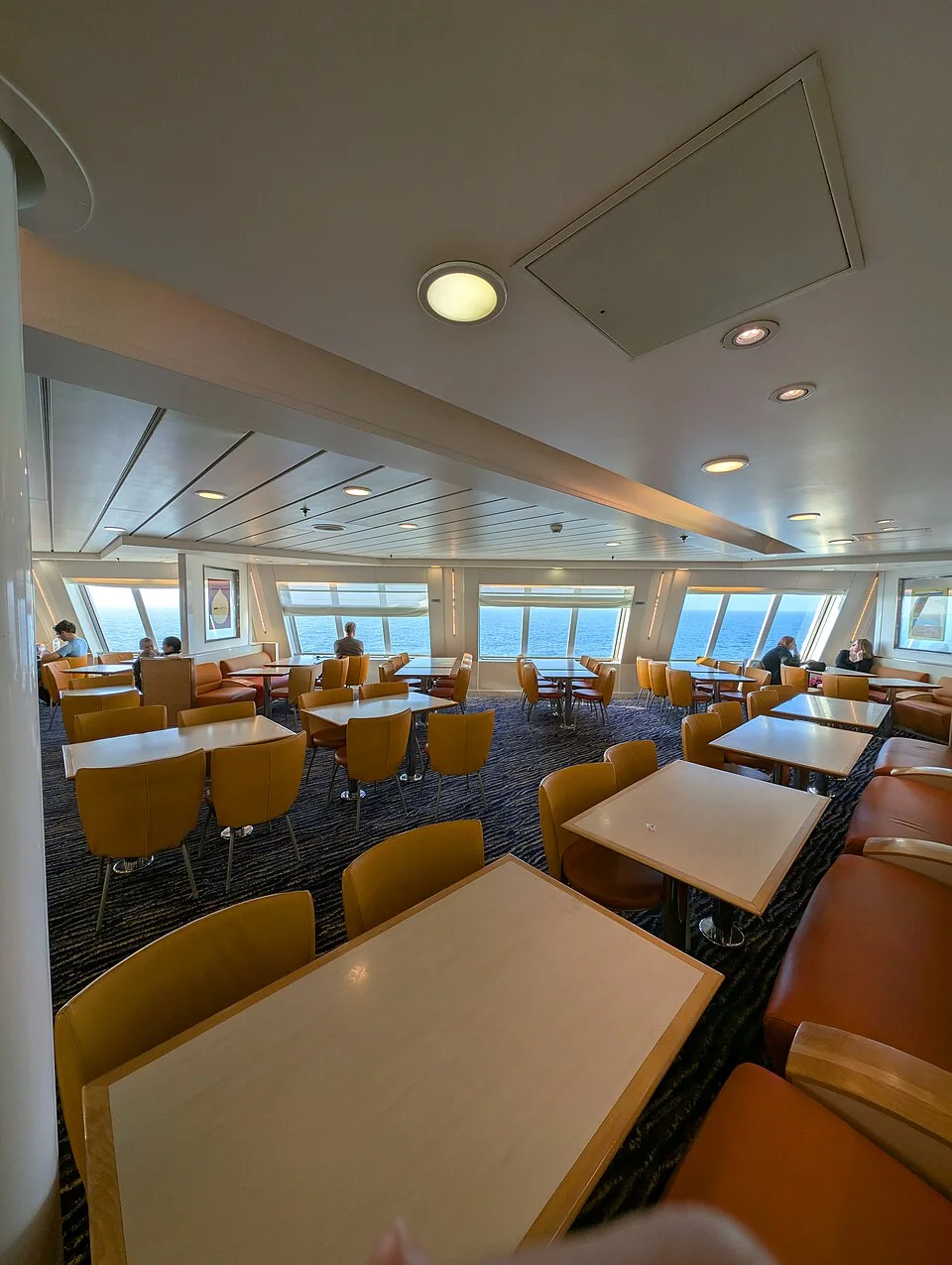
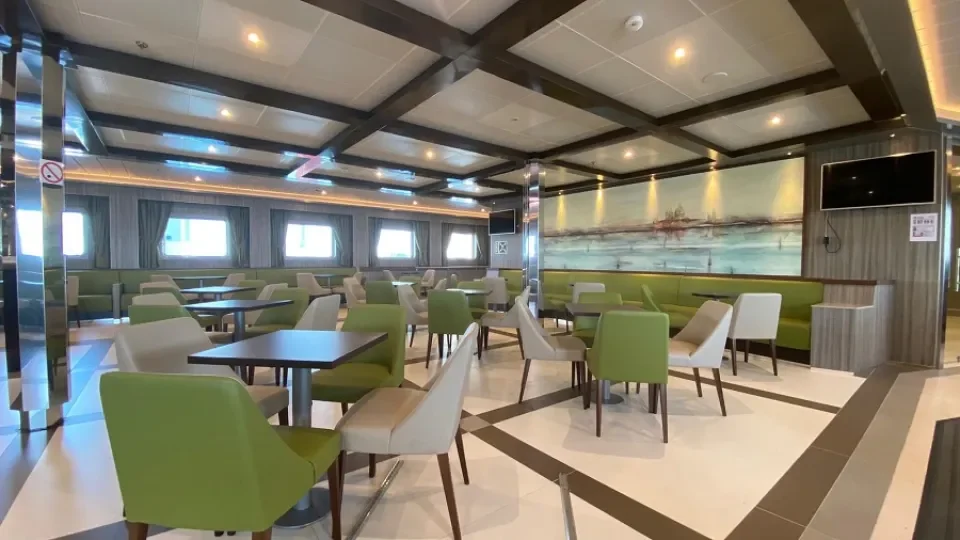
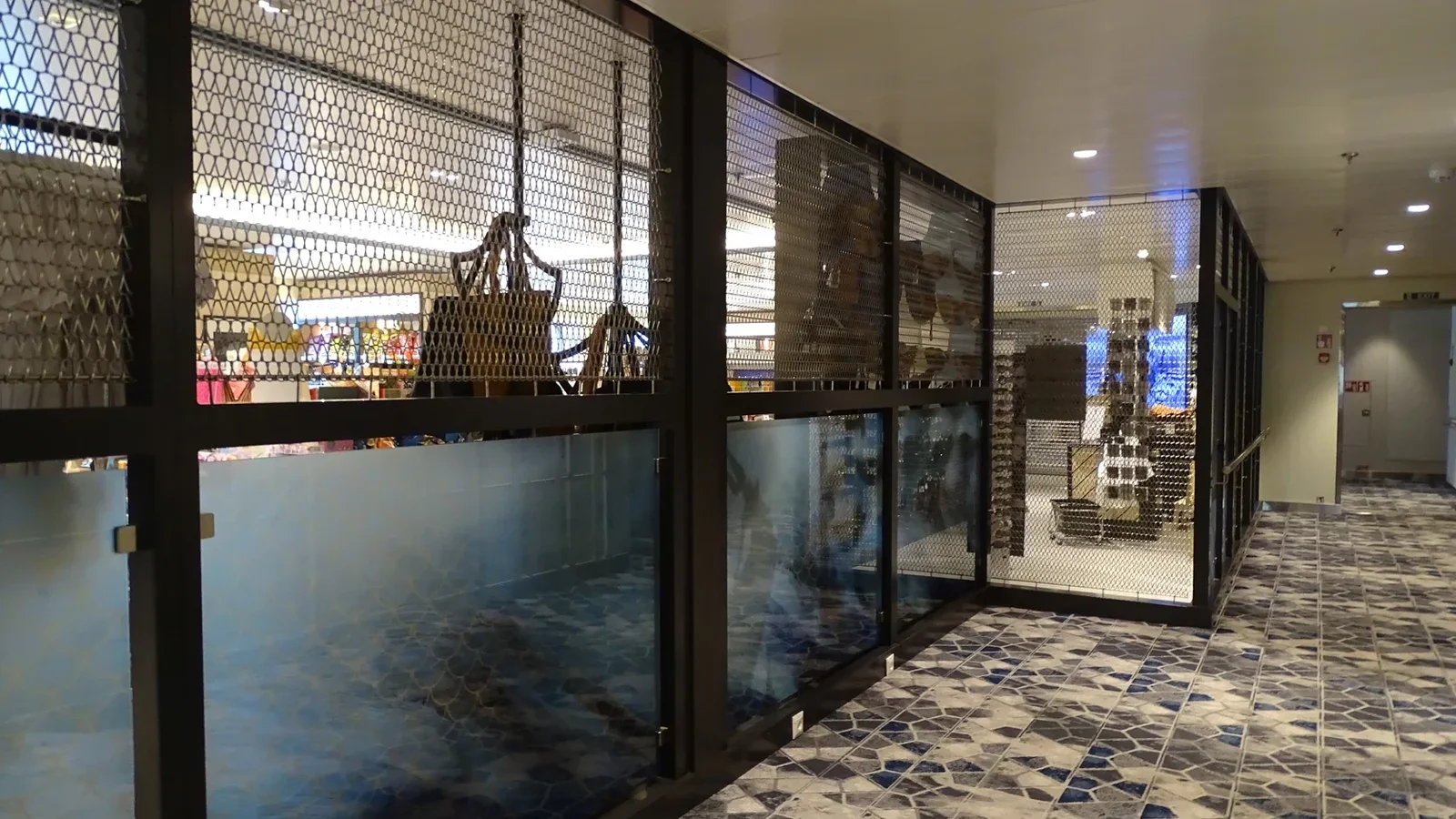
Food and drink options range from café-bars to fuller restaurant service on longer crossings. Passenger lounges provide comfortable indoor seating on fast and conventional ferries. Selected ferries include onboard shops, with tax advantages on relevant Canary Islands services. Children's areas and games help make island crossings easier for families.
Cafés and restaurants
Bar-cafeterias, self-service dining and fuller restaurant options are available according to vessel
and route length.
Passenger lounges
Tourist and premium seating areas provide the main passenger accommodation on fast ferries and
supplement cabins on longer ships.
Free Wi-Fi
Current Canary route information advertises free Wi-Fi on many services. Connection speed and
availability can still vary at sea.
Onboard shopping
Shops are available on selected vessels and can include convenience items, gifts and duty-free or
tax-advantaged products where applicable.
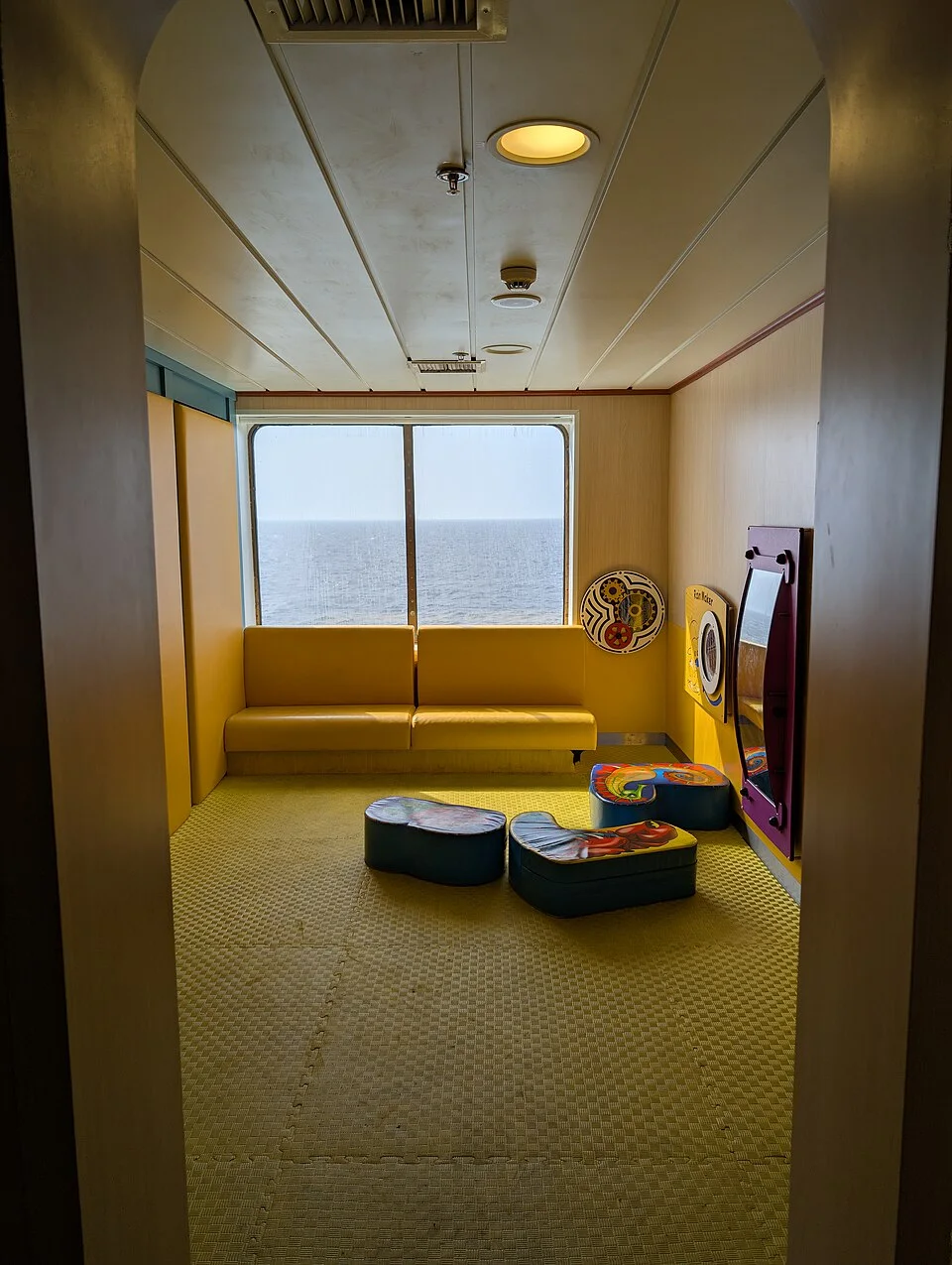
Children's facilities
Family-oriented ships can include children's areas, board games and suitable food choices on longer
or higher-capacity routes.
Pet areas
Depending on the ship, pets may use carriers, kennels, exterior exercise areas, selected premium
areas or specially booked pet cabins.
This section combines genuine operator imagery with selected images from EUFerry's general
ferry-travel library. Facilities and layouts vary by ship and sailing.
A strong network for self-drive island travel
Vehicles, pets and accessibility
One of the enduring advantages of the former Naviera Armas network is the ability to move a car,
motorcycle or touring vehicle between islands instead of renting again at each destination.
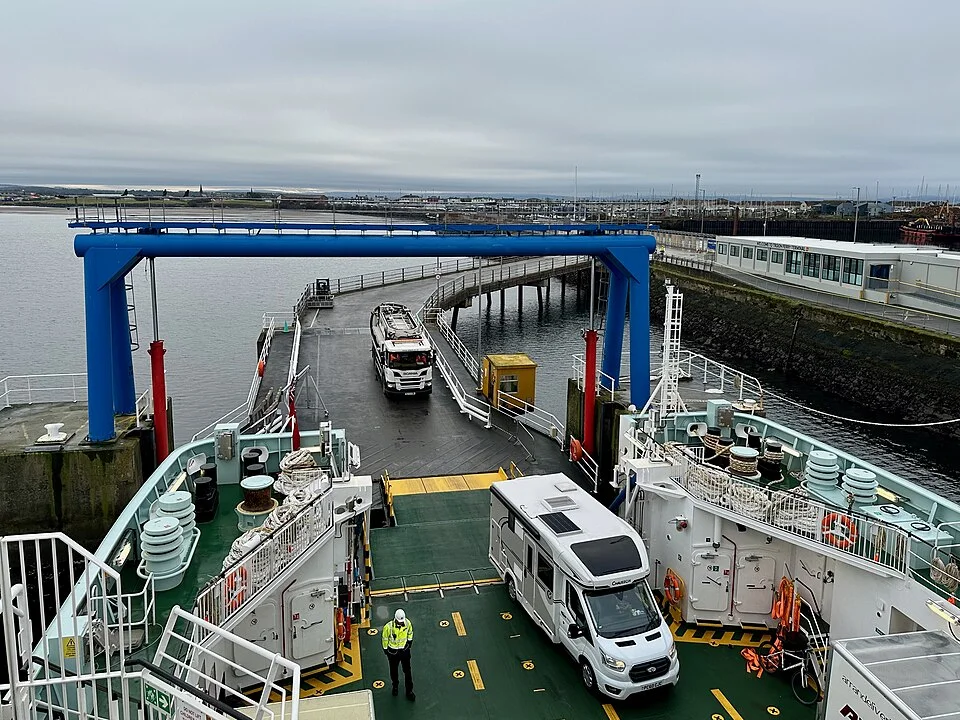
Motorhomes and larger leisure vehicles should be booked using their true dimensions. Vehicle passengers should follow terminal lane and crew instructions during loading. Pets need the correct ticket and an accommodation option permitted on the selected vessel.
Cars and motorcycles
Cars and motorcycles can travel on vehicle-carrying services. Ensure the registration and vehicle
category in the booking match the vehicle presented at the port.
Book the correct vehicle category
Include racks or roof loads in overall dimensions where required
Follow crew instructions on the vehicle deck
Motorhomes and larger vehicles
Touring vehicles are particularly useful on longer Canary trips, but they use more deck space and
should be measured carefully before booking.
Use the full height and length
Include trailers and external carriers
Book peak-season vehicle space early
Travelling with pets
Pets are accepted subject to the assigned ship's rules. Current guidance includes carriers, kennels,
designated outdoor areas and pet cabins on selected services.
Book the pet rather than arriving unannounced
Carry vaccination and health documents required for the route
Use a lead, muzzle or carrier where the current rules require it
Reduced mobility and assistance
Suitable ferries include adapted seating, lifts, ramps and other accessibility features. Request
assistance before travel so the operator and port can prepare.
Declare assistance needs while booking
Check accessible cabin availability on long routes
Allow additional time at unfamiliar terminals
The booking confirmation now matters more than the old brand name
Check-in, documents and boarding
Because former Armas routes now sit inside a changing operating structure, use the current ticket
for the definitive operator, terminal, boarding time, vehicle rules and documentation requirements.
Keep the current booking confirmation and identification ready before entering the check-in process. Vehicle and international passengers should allow extra time beyond the minimum acceptance deadline.
Recommended travel sequence
When booking
Confirm the current operator
Check whether the sailing is displayed under Baleària, Baleària Canarias or transitional Armas
branding, and verify the precise ports before paying.
Before travel
Review passenger and vehicle details
Names, identity documents, vehicle registration, pet details and accommodation should match the
booking confirmation.
Domestic island travel
Allow a sensible port buffer
Fast-ferry check-in can be efficient, but unfamiliar terminals, vehicle queues and peak holiday
traffic can still cause delays.
Long-distance or international travel
Plan substantially more time
Mainland–Canaries and North Africa routes can involve additional terminal, security, vehicle or
border procedures. Follow the current ticket deadline.
After parking onboard
Take everything needed from the vehicle
Garage access is generally restricted while sailing, so keep medicines, valuables, documents,
children's items and pet essentials with you.
Why the routes still matter
When a former Naviera Armas route is a practical choice
The company name may be changing, but the travel logic behind these ferry corridors remains strong.
Ferries make it possible to take a car between Canary Islands, keep a touring vehicle for an
extended island itinerary and carry more personal belongings than would be convenient by air.
For the western islands, Los Cristianos is especially important. For travel between larger islands
and eastern islands, Las Palmas and Santa Cruz de Tenerife form major hubs. The best route depends
on where you actually need to drive after disembarkation rather than simply which sea crossing looks
shortest.
The extra step in 2026 is checking the operator. Treat “Naviera Armas” as a useful route-search
term, then make the booking decision from the current sailing, current ship, current fare and
current conditions.
Common planning questions
Naviera Armas FAQs
Is Naviera Armas still operating independently in 2026?
No. Baleària took effective control of the former Armas Trasmediterránea Canary Islands assets on 18
May 2026 and completed the acquisition of the remaining Strait and Alborán assets on 1 July 2026. In
the Canary Islands, the Baleària Canarias brand now coexists with Armas branding during the
transition.
Why does EUFerry still have a Naviera Armas page?
Naviera Armas remains a widely recognised ferry name and is still used in searches, historic
bookings and transitional branding. This page helps travellers identify the routes associated with
the brand while directing them to the current operator and live booking details.
Which Canary Islands routes are associated with Naviera Armas?
The historic and transitional network includes links among Tenerife, Gran Canaria, La Gomera, La
Palma, El Hierro, Fuerteventura and Lanzarote, plus longer connections with mainland Spain. Current
operating branding and schedules should be checked for the exact date.
How long is the Los Cristianos to La Gomera ferry?
The current route information published on 8 August 2026 shows approximately 50 minutes for the Los
Cristianos–San Sebastián de La Gomera fast-ferry crossing.
How long is the Los Cristianos to La Palma ferry?
Current 8 August 2026 schedules show approximately 2 hours 30 minutes between Los Cristianos and
Santa Cruz de La Palma on the relevant fast-ferry services.
Can I take a car on former Naviera Armas routes?
Yes on vehicle-carrying sailings. Cars, motorcycles, motorhomes and other vehicles can be booked
where accepted by the route and vessel. Enter the correct vehicle category and dimensions and follow
the current operator's boarding rules.
Can I travel with a pet?
Yes, subject to ship and route rules. Current Armas transition guidance includes carriers, kennels,
designated pet areas and pet cabins on selected services. Pet cabins are limited to eligible dogs
and cats and must be booked specifically.
Are cabins available?
Cabins are available on many longer conventional-ferry services, while shorter fast-ferry crossings
rely mainly on seating and premium lounge accommodation. The assigned ship determines what is
offered.
Is Wi-Fi available onboard?
Free Wi-Fi is advertised on many Canary Islands services shown in the current Armas transition
website. Availability and performance can vary by vessel and sailing.
Where should I book a Naviera Armas route now?
Search by route and date rather than by historic brand. EUFerry's booking search will help you
compare the current sailing options, and the final booking result should identify the operator,
ports, ship and current conditions.
Facility photographs are examples; the vessels shown are identified below. Facilities vary by ship.
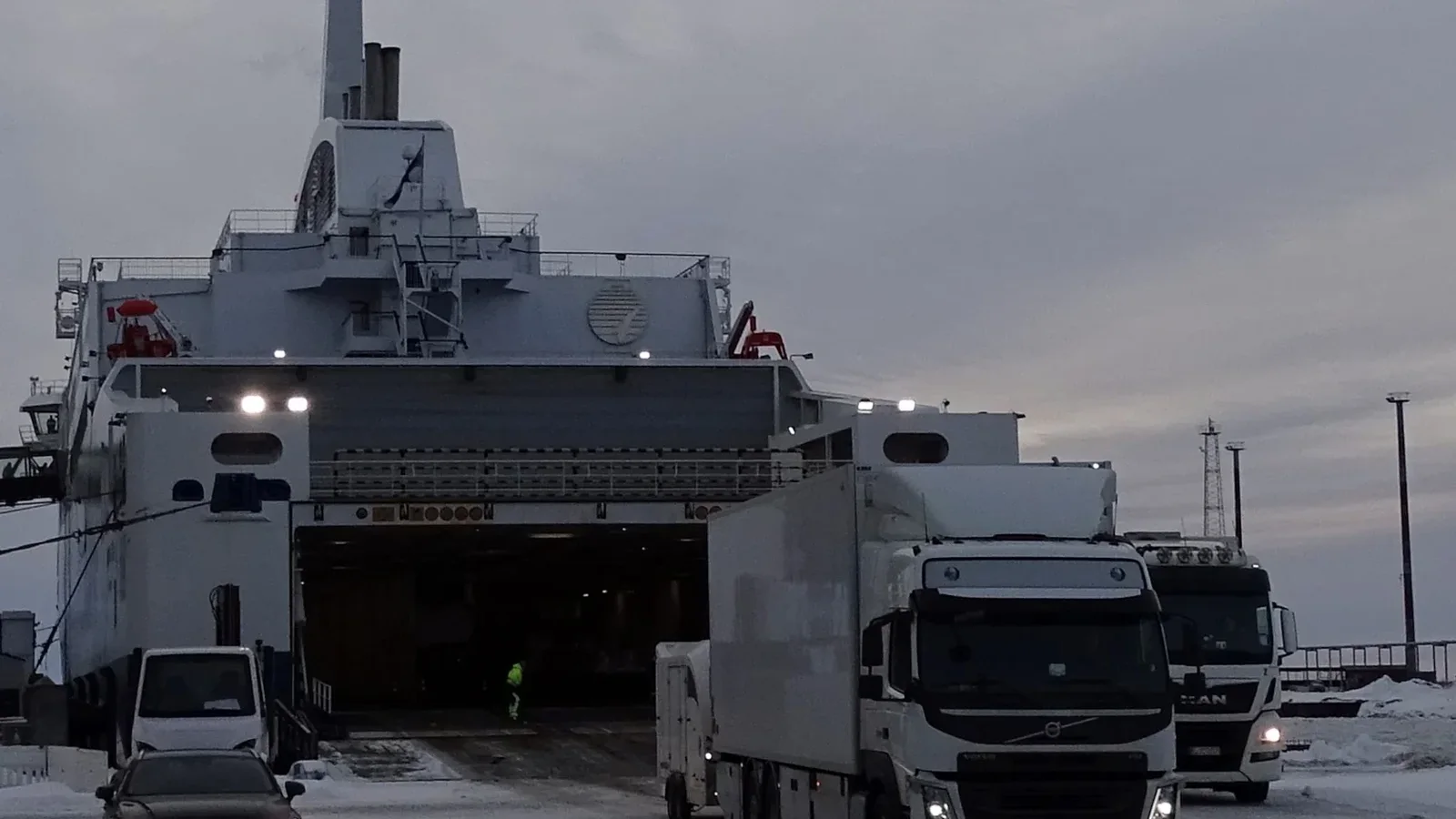
250120 1029 MV Glen Sannox loading, Port of Troon ferry terminal.jpg — Dave souza; CC BY-SA 4.0. Source: https://commons.wikimedia.org/wiki/File:250120_1029_MV_Glen_Sannox_loading,_Port_of_Troon_ferry_terminal.jpg. Licence: https://creativecommons.org/licenses/by-sa/4.0. Resized for display.
Cabin on MV Hrossey - geograph.org.uk - 7254252.jpg — Oliver Dixon; CC BY-SA 2.0. Source: https://commons.wikimedia.org/wiki/File:Cabin_on_MV_Hrossey_-_geograph.org.uk_-_7254252.jpg. Licence: https://creativecommons.org/licenses/by-sa/2.0. Resized for display.
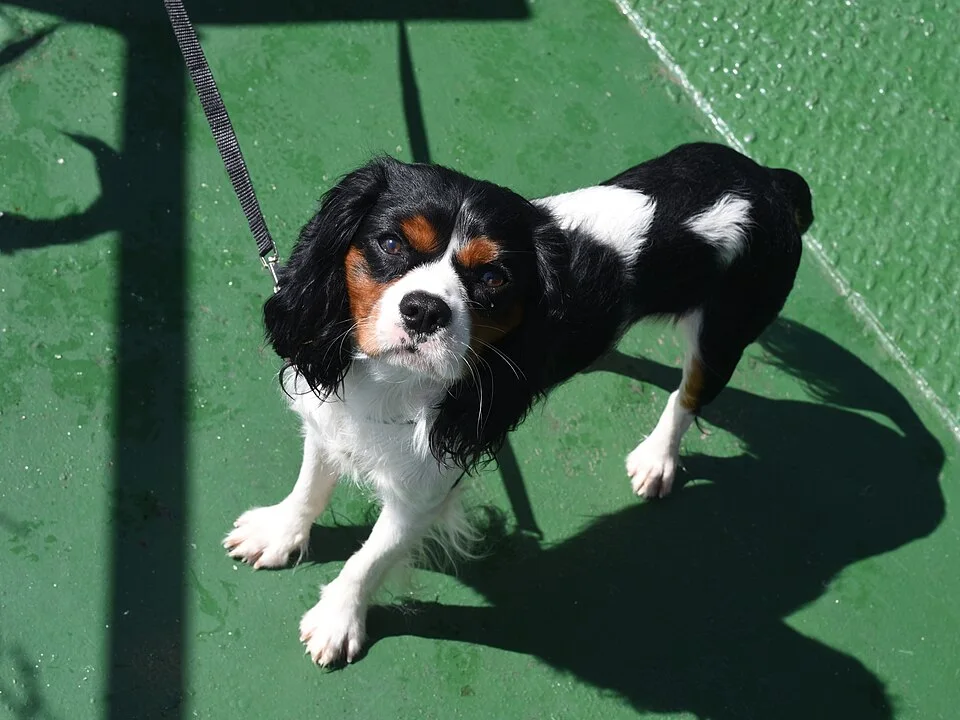
Cavalier King Charles Spaniel (49687542022).jpg — Chris Hunkeler from Carlsbad, California, USA; CC BY-SA 2.0. Source: https://commons.wikimedia.org/wiki/File:Cavalier_King_Charles_Spaniel_(49687542022).jpg. Licence: https://creativecommons.org/licenses/by-sa/2.0. Resized for display.
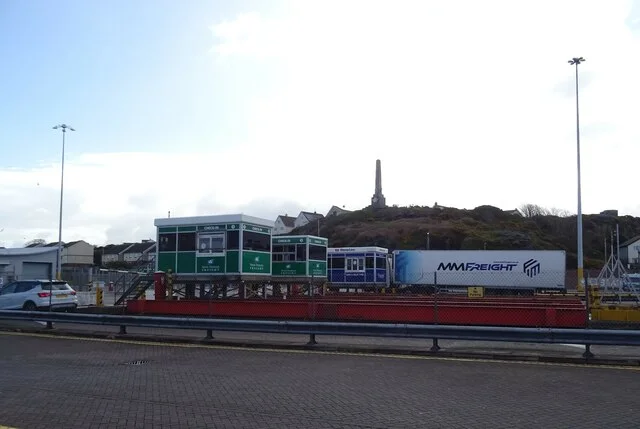
Check-in, Holyhead Ferry Terminal - geograph.org.uk - 7757104.jpg — JThomas; CC BY-SA 2.0. Source: https://commons.wikimedia.org/wiki/File:Check-in,_Holyhead_Ferry_Terminal_-_geograph.org.uk_-_7757104.jpg. Licence: https://creativecommons.org/licenses/by-sa/2.0. Resized for display.
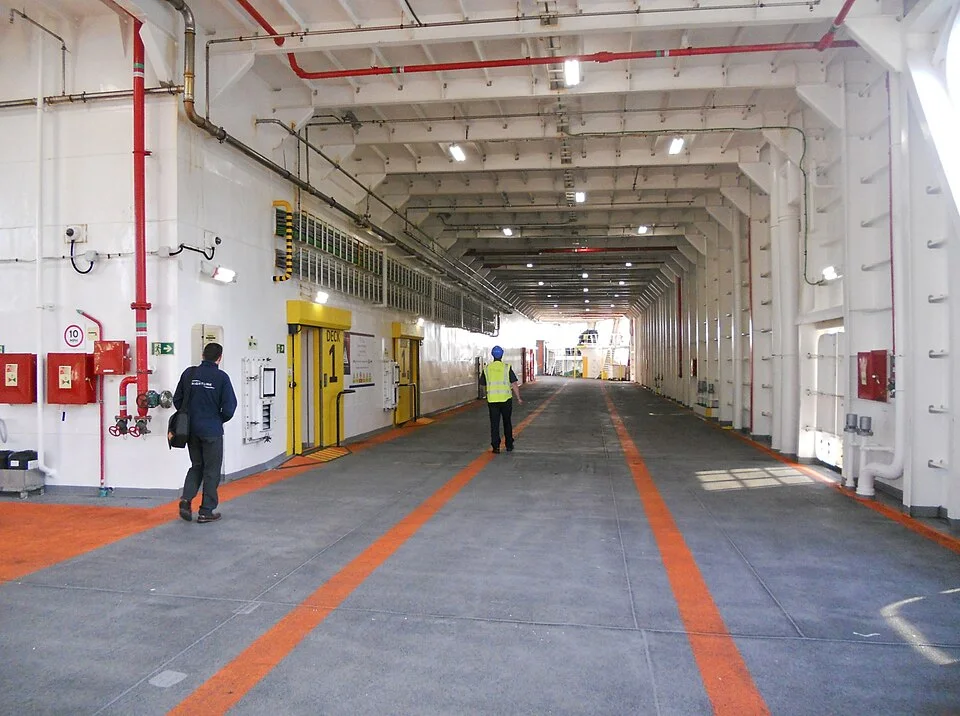
Vehicle deck on the Victoria of Wight (Wightlink ferry).jpg — ITookSomePhotos; CC BY-SA 4.0. Source: https://commons.wikimedia.org/wiki/File:Vehicle_deck_on_the_Victoria_of_Wight_(Wightlink_ferry).jpg. Licence: https://creativecommons.org/licenses/by-sa/4.0. Resized for display.


 Canary Islands
 Passenger & vehicle ferries
 Baleària integration