Use this EUFerry operator guide to understand where Moby Lines sails and the practical options to
consider before checking current availability and fares.
Italy Day & overnight crossings Mediterranean islands
Island ferries designed around holidays with your own vehicle
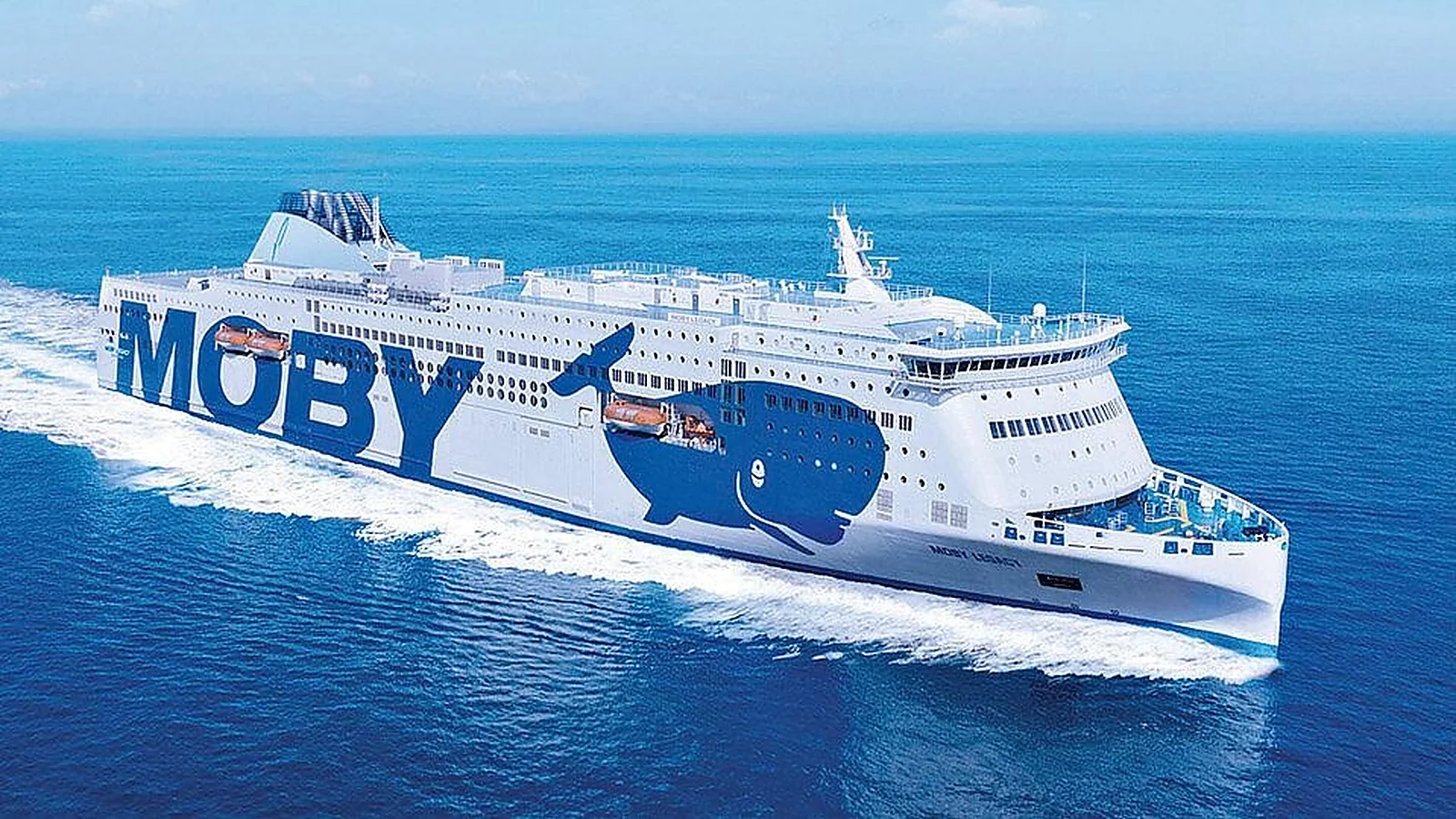
Moby is an established Italian ferry company carrying passengers and vehicles to some of the
Mediterranean’s most popular islands. Its current consumer network is centred on Sardinia, Corsica
and Elba, with mainland gateways including Genoa, Livorno and Piombino.
The route mix ranges from short island links to full overnight sailings. That makes Moby relevant to
several types of journey: a Tuscan holiday followed by Elba, a long Sardinia road trip with your own
car or motorhome, or a Corsica crossing that avoids a lengthy drive through France.
Moby’s booking environment also presents services associated with Tirrenia and Toremar. Always read
the carrier and route details in the live booking result rather than assuming every departure shown
on the wider site is operated under the Moby brand.
EUFerry travel note: Moby’s Mediterranean programme changes substantially by season. Compare the full date-specific result, particularly for Corsica and seasonal Sardinia departures.
Mainland Italy to Mediterranean islands
Moby Lines routes
Moby combines long Sardinia crossings, seasonal Corsica links and shorter Elba services. These
representative routes show the different journey types; the live search should be used for the
complete programme on your dates.
Year-roundSardinia
Tuscany
Livorno
Sardinia
Olbia
Livorno–Olbia is one of Moby’s core Sardinia links. Current operator information gives roughly 7
hours 50 minutes to 9 hours by day and about 9 hours on night crossings.
Year-round route with additional frequency in busy periods
Practical for Tuscany, northern Italy and north-east Sardinia
Cabin accommodation is worth comparing on night sailings
Piombino–Portoferraio is the classic gateway to Elba. Moby and group-company Toremar appear in the
booking network, with the crossing taking about one hour and Moby services particularly relevant in
the high season.
Short crossing suited to both foot and vehicle passengers
Portoferraio is the principal gateway for an Elba road trip
Check the live result for the actual operating carrier
A broad island network with very different crossing lengths
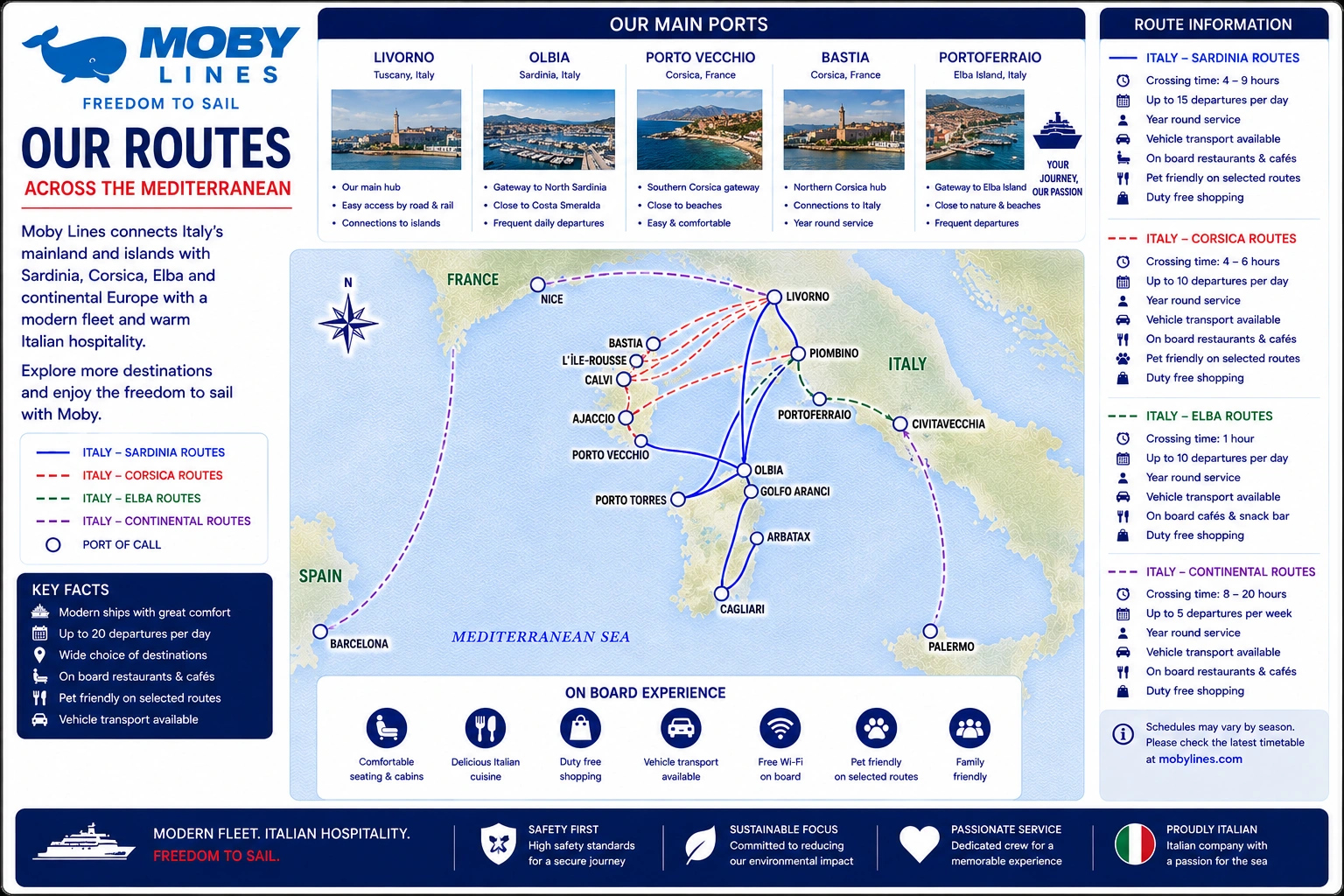
The visual map shows the wider pattern of Moby routes around mainland Italy, Sardinia, Corsica and
Elba. Current services also include routes such as Genoa–Olbia, Genoa–Bastia and the short Santa
Teresa Gallura–Bonifacio crossing.
Some routes are seasonal and the wider Moby website also sells services associated with Tirrenia and
Toremar. Treat the map as a planning aid rather than a timetable.
After choosing the most practical route, compare the live Moby Lines sailing for departure time,
calling pattern, passenger requirements and the facilities or accommodation shown for that service.
The complete itinerary and arrival location can matter more than a small difference in the headline
fare.
Always confirm the operating carrier, port, departure time and vehicle check-in requirement shown
for your selected sailing before arranging a tight onward connection.
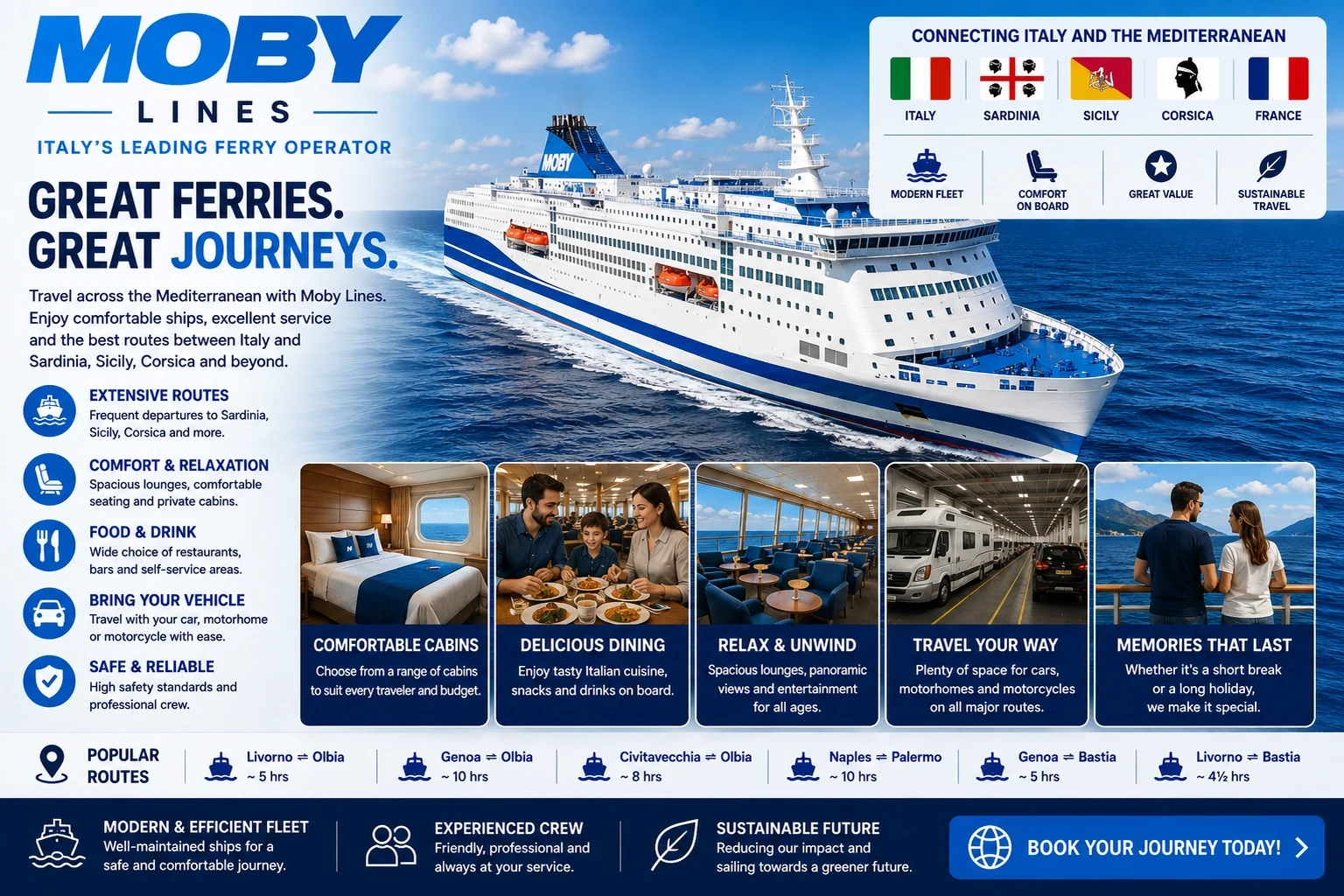
Illustrative Moby Lines route map — verify the live itinerary for your dates.
Ports and places
Three gateways that shape a Moby ferry trip
The best sailing is often the one that reduces driving at either end. Livorno, Olbia and Bastia
illustrate how the mainland gateway and island arrival port can change the whole holiday.
Tuscan mainland gateway
Livorno
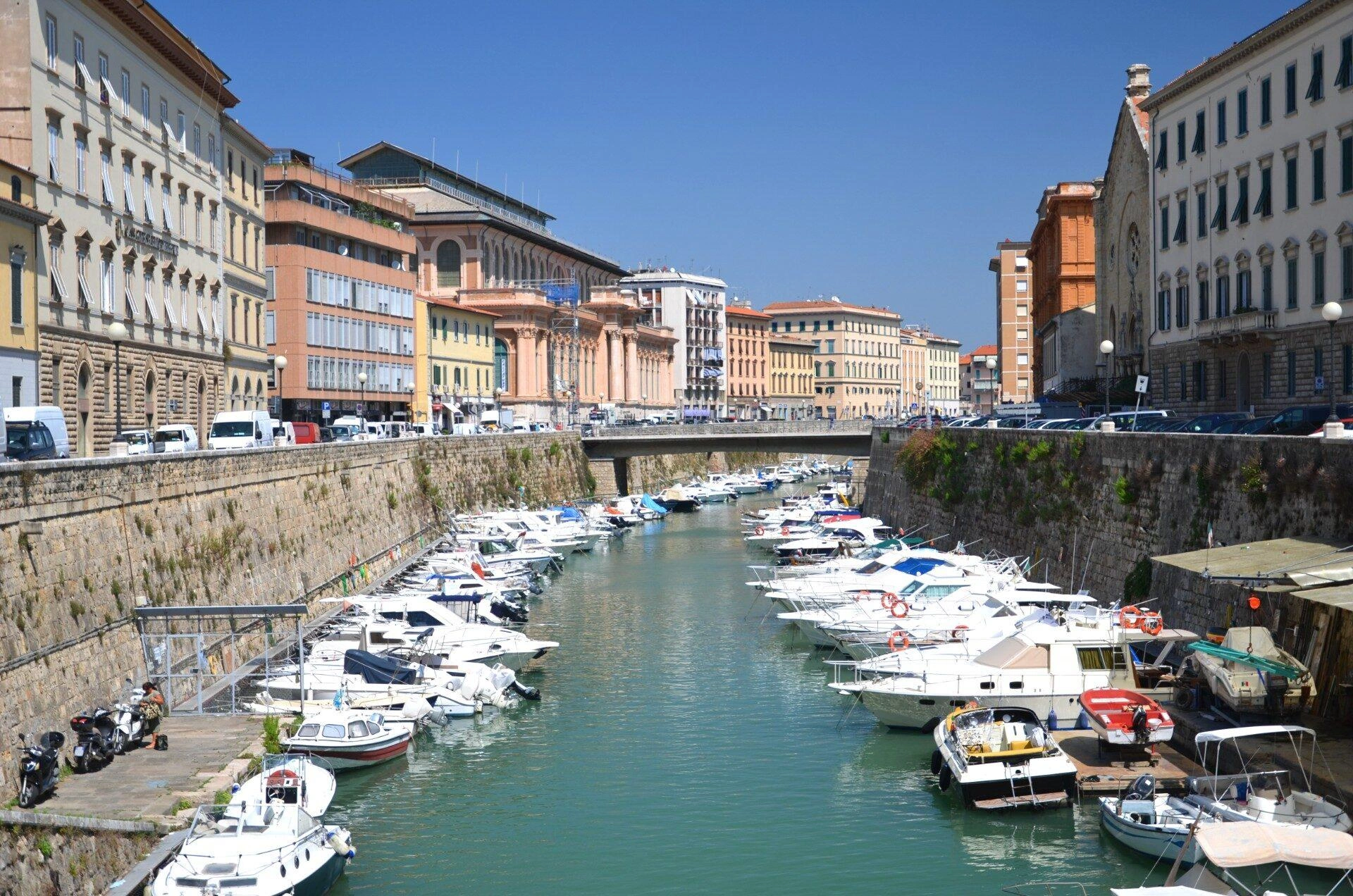
Livorno is one of Moby’s most useful mainland ports, with links toward both Olbia and Bastia. It
works particularly well when a road trip already passes through Tuscany or northern Italy.
Olbia is a natural arrival point for Costa Smeralda, Porto Cervo, San Teodoro and road trips across
northern and eastern Sardinia. Bringing a vehicle can make it especially flexible.
Bastia gives quick access to Cap Corse, Saint-Florent and the east-coast road south. For vehicle
travellers from Italy it can remove a substantial overland journey through France.
Piombino is the principal mainland gateway, while Portoferraio is the island’s main arrival port.
Compare Moby and Toremar results for the selected date and check the operating carrier before
travel.
Day crossing or overnight
Cabins and passenger accommodation
Moby serves everything from short Elba crossings to overnight Sardinia journeys, so the right
accommodation depends heavily on route length, departure time and who is travelling.
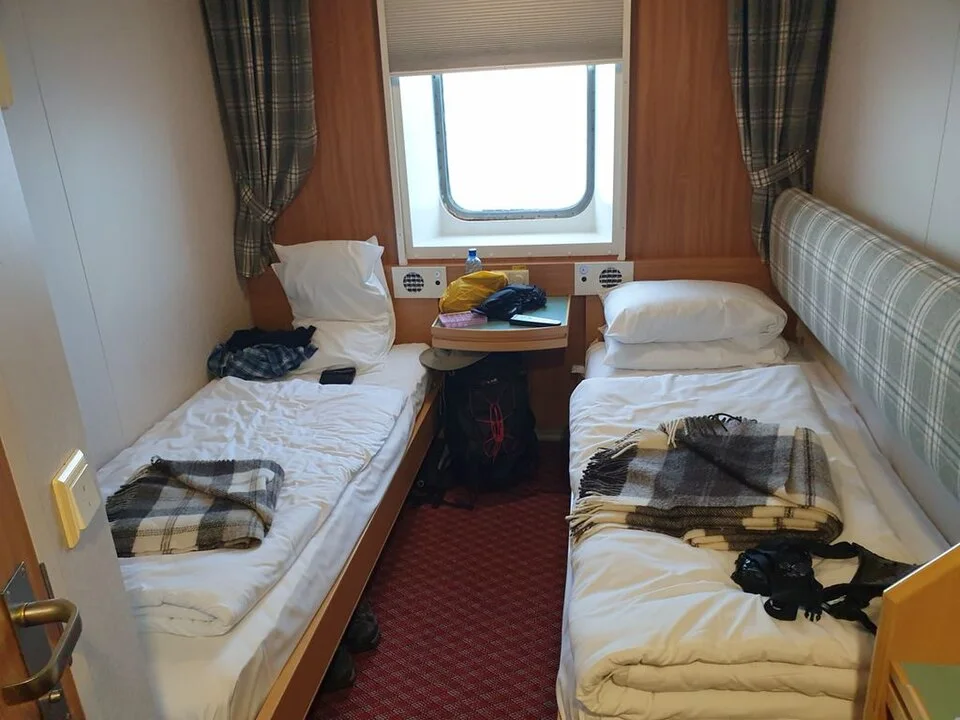
Private cabins can turn an overnight Sardinia crossing into useful rest rather than lost travel time. Outside cabins and suites add privacy and extra comfort on selected longer crossings.
Deck passage and public areas
On suitable daytime sailings, the basic passenger fare can be the simplest choice if you are
comfortable using general lounges and open-deck areas rather than reserving a private room.
Best considered forShorter crossings and budget-focused daytime travel
Numbered reclining armchairs
Reserved armchairs are housed in air-conditioned saloons on relevant ships and provide a defined
place for the journey without the cost of a cabin.
Best considered forSolo travellers and medium-length daytime crossings
Inside cabins
Inside cabins are available in two- and four-berth formats on many larger Moby ferries. They provide
beds, private space and an en-suite bathroom without a porthole.
Best considered forOvernight rest at a lower cabin price
Outside cabins
Outside cabins add a porthole and natural light while retaining the privacy of a private room.
Availability and berth configuration depend on the assigned ship.
Best considered forCouples and families on longer crossings
Suites and higher categories
Selected cruise ferries offer suites or junior suites for travellers wanting more space and comfort.
These categories are limited and can sell early on peak summer departures.
Best considered forPremium overnight travel and special trips
Cabins with animal access
Designated pet-access cabins have easy-clean flooring and allow up to three pets according to Moby’s
current guidance. They must be booked specifically and are limited in number.
Best considered forPassengers who want permitted private accommodation with pets
Cabin booking tip
For summer Sardinia and Corsica departures, compare cabins as soon as dates are known. Passenger or
vehicle space may remain after the accommodation category you want has sold out.
During the crossing
Restaurants, lounges, shops and sea views
Facilities differ by route and assigned ferry, but the larger Moby cruise ferries are designed to
make long island crossings part of the holiday rather than simply transport.
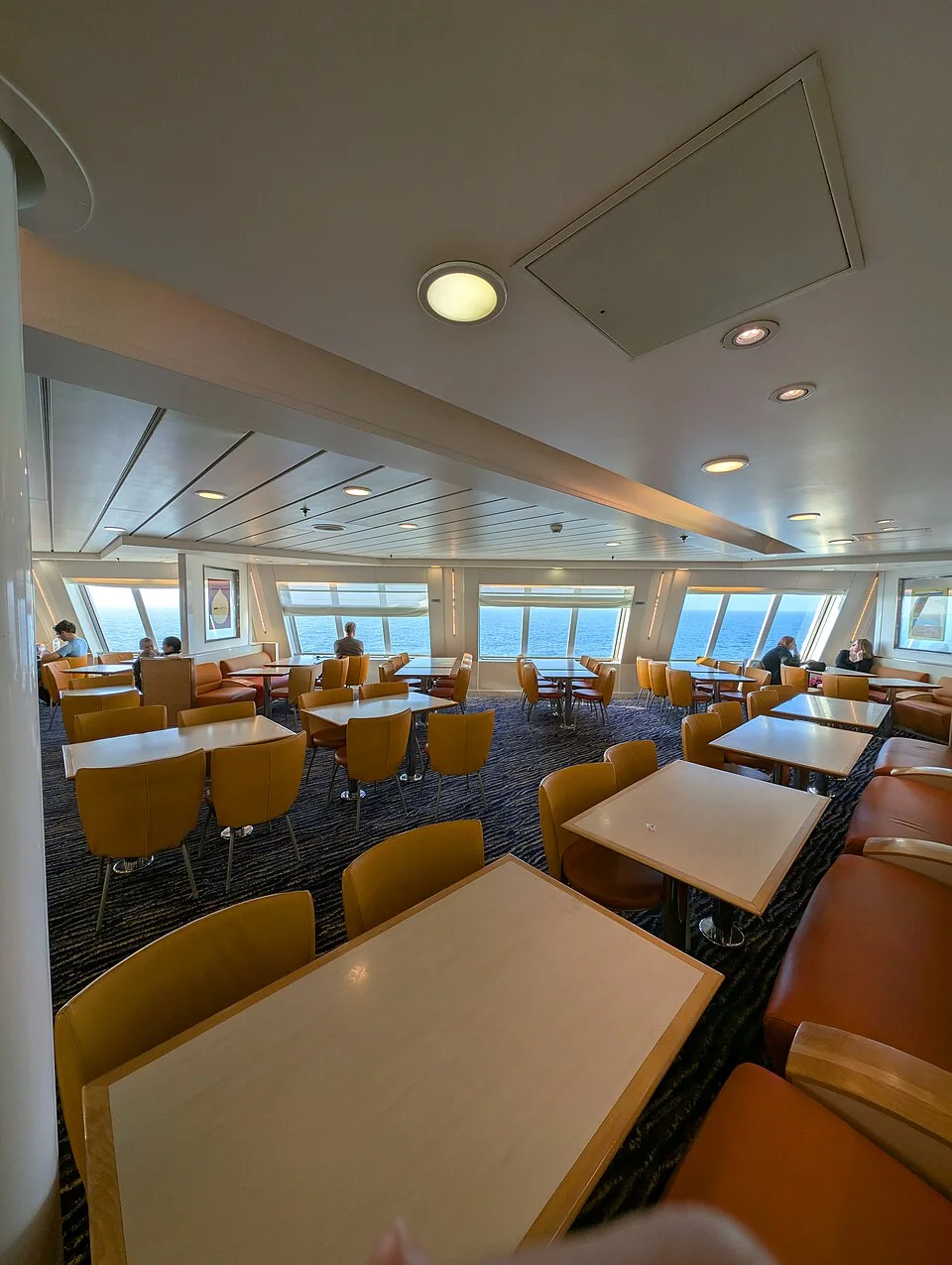
À la carte, self-service and other dining choices are offered on relevant longer-distance ships. Passenger lounges provide comfortable indoor space away from the vehicle deck. Onboard shops add travel essentials, gifts and leisure shopping on selected ships. Open decks provide sea air and views when weather and operating conditions permit.
Restaurants and self-service
Depending on the ferry, choices can include à la carte dining, self-service restaurants, pizzerias,
snack bars and cafés.
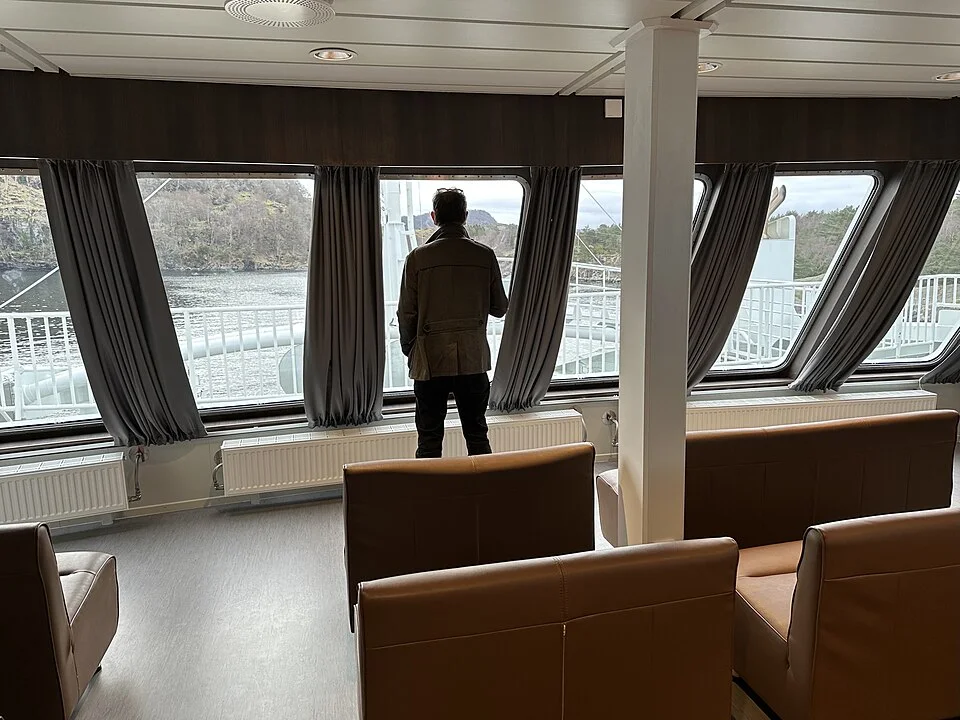
Lounges and bars
Show lounges, bars and air-conditioned passenger spaces give travellers several places to relax on
the longer journeys.
Wi-Fi and connectivity
Moby promotes Wi-Fi on supported ships, including free satellite Wi-Fi on several principal Sardinia
ferries. Service can slow or drop because of coverage and weather.
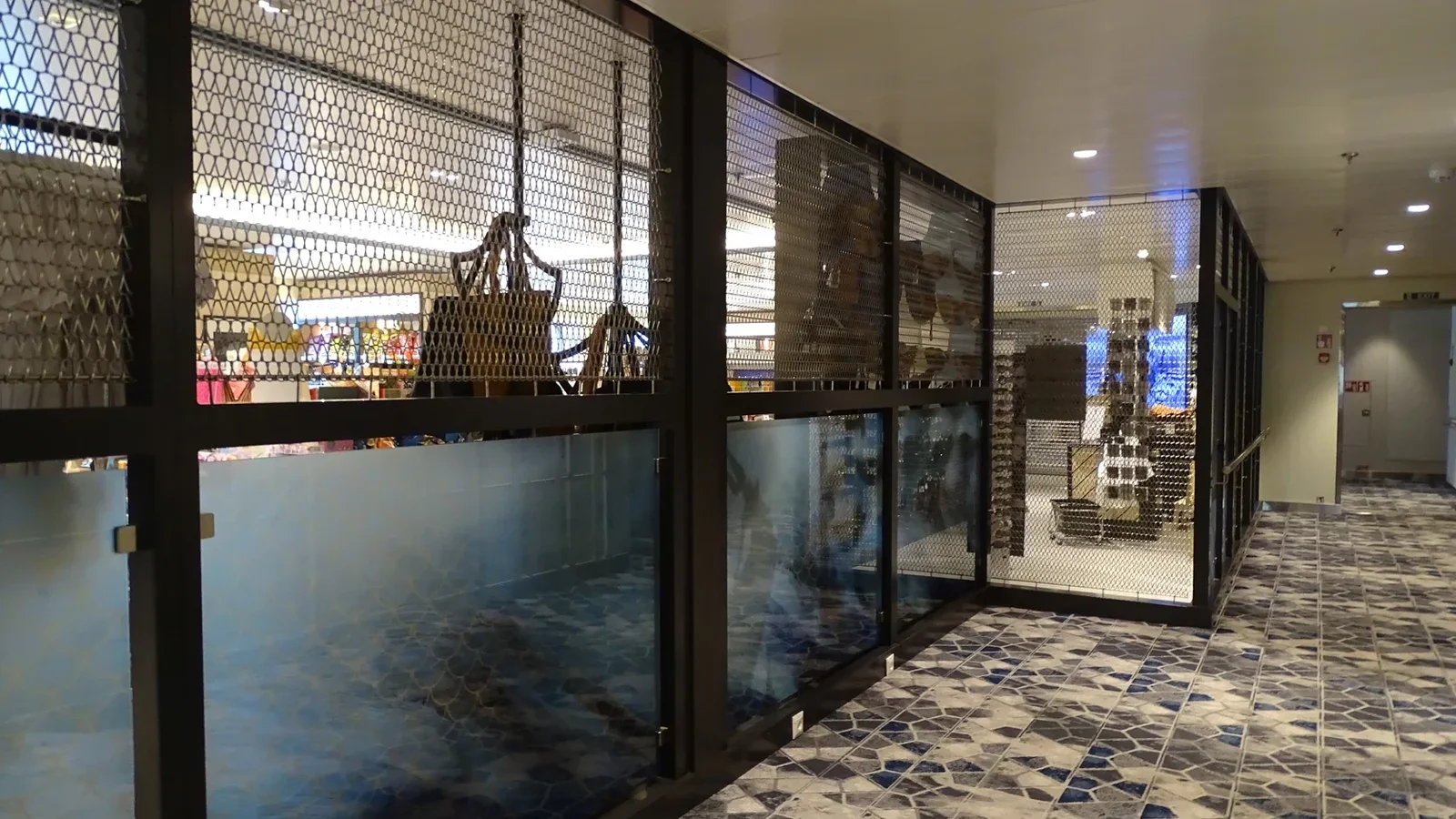
Onboard shopping
Selected ferries include shops for gifts, personal items and travel purchases. Opening times and
stock vary with ship and sailing.
Children and entertainment
Family-oriented ferries can include children’s areas, video games and entertainment spaces, helping
break up a long crossing.
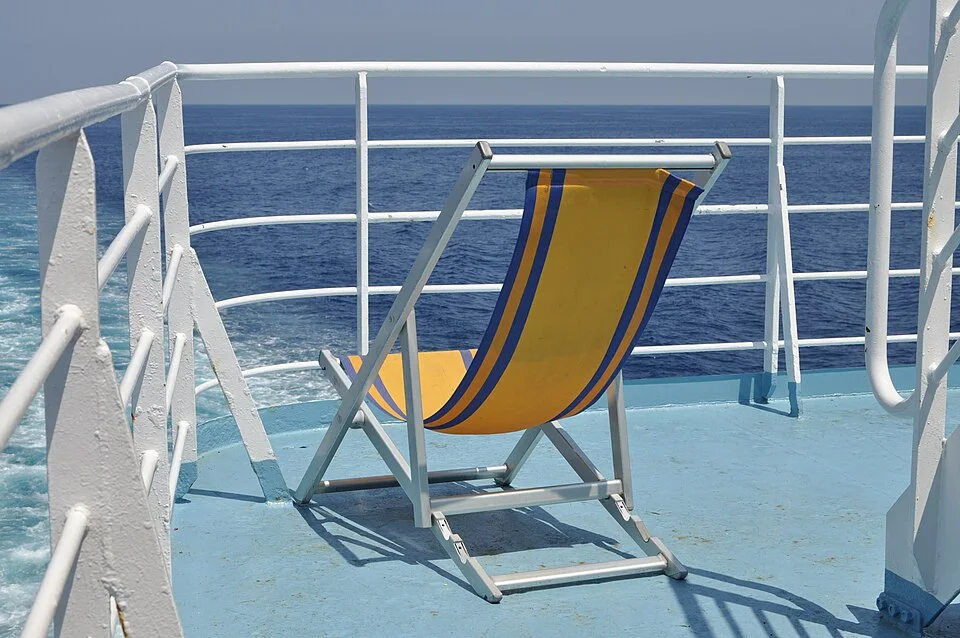
Sundecks and seasonal pools
Some larger Moby ferries add open sundecks, Lido bars and swimming pools, particularly useful on
warm-weather Mediterranean crossings.
Images in this section are from EUFerry’s general ferry-travel library and illustrate facility
types; they are not presented as photographs of a particular Moby vessel. Confirm the facilities on
the ferry assigned to your sailing.
Bring the car, touring vehicle or pet
Vehicles, pets and accessibility
Moby is particularly useful for island road trips, but the vehicle dimensions, fuel type, pet
accommodation and any assistance requirement should all be correct before you reach the port.
Motorhomes, vans and vehicles carrying extra equipment must be booked using their true overall dimensions. Vehicle loading follows crew instructions, and access to the garage is restricted during the voyage. Pets need a ticket, the correct travel documents and suitable onboard accommodation.
Cars and motorcycles
Book the actual vehicle category and measure the full length and height when racks, roof loads,
towing equipment or other additions change the standard dimensions.
Follow the crew’s instructions when parking on the vehicle deck
Leave the vehicle in gear, apply the handbrake and lock it
Take everything needed because garage access is restricted at sea
Motorhomes, vans and LPG vehicles
Touring vehicles are accepted subject to booked dimensions and available deck space. LPG or
methane-powered vehicles must be declared during booking and presented with the fuel tank no more
than half full.
Measure the complete vehicle including rear carriers and towing hooks
Vehicles above 220 cm should have their height declared
Large commercial vehicles may need freight booking rather than passenger booking
Travelling with pets
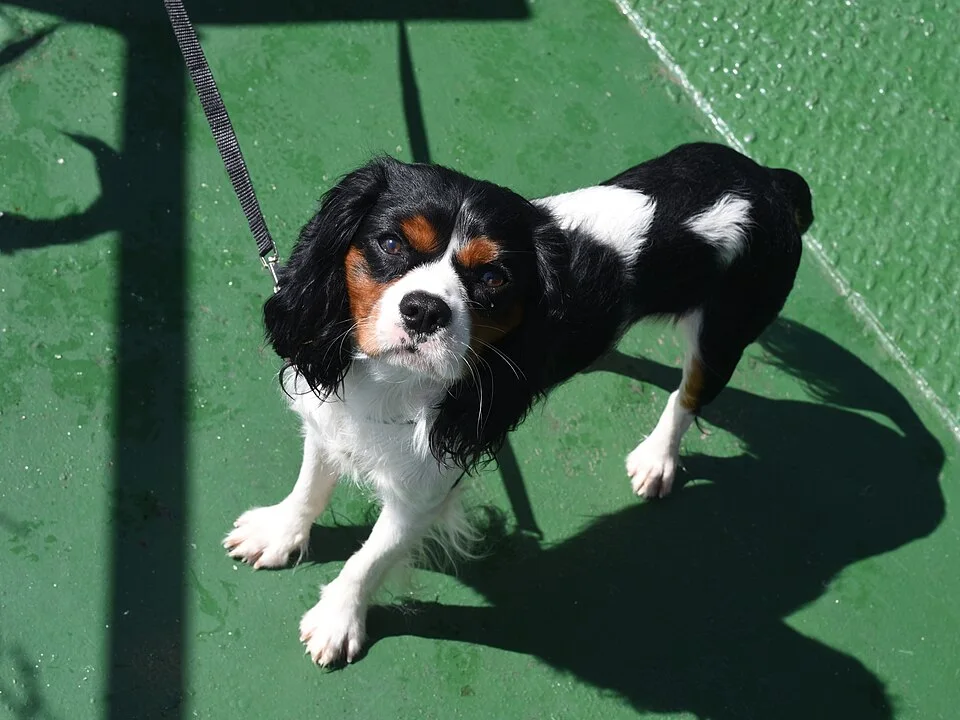
Animals are welcome when correctly booked. Moby asks owners to bring a lead and muzzle, comply with
destination health rules and use permitted external or designated pet areas.
Designated pet-access cabins allow up to three pets
Ordinary cabins, armchair saloons and specified communal areas are restricted
Corsica travel requires particular attention to French pet-entry rules
Reduced mobility and assistance
Passengers requiring assistance should declare it when booking. Online customers can select the
assistance option in the passenger details; call-centre and agency customers should notify the
adviser directly.
Request assistance before travel rather than at the boarding queue
Ask about suitable cabin accommodation on longer sailings
Allow additional time at large ports such as Genoa and Livorno
Before you reach the ramp
Check-in, documents, luggage and boarding
Moby uses electronic check-in alongside the ship at many ports. The key is arriving early enough for
the port, season and vehicle type shown on your booking, with every passenger’s original identity
document ready.
Keep the ticket barcode and original identification ready before joining the check-in or boarding queue. Vehicle passengers should allow substantial extra time because Moby’s current check-in rules commonly require arrival two hours before departure.
Recommended travel sequence
When booking
Enter passengers, vehicles, pets and assistance needs correctly
Use names that match identification, book the real vehicle dimensions and add any pet or
reduced-mobility assistance requirement before travel.
Before leaving home
Check the ticket and destination documents
Every passenger, including children and infants, needs a valid original identity document.
International travel to Corsica requires documentation valid for France and the traveller’s
nationality.
Summer foot passengers
Allow at least 60 minutes at principal ports
For many ports including Genoa, Livorno, Olbia and Piombino, Moby currently asks foot passengers to
arrive at least one hour before departure from June through September.
Vehicle passengers
Plan around a two-hour arrival target
Current Moby check-in guidance commonly requires vehicle passengers to arrive two hours before
departure. Bastia also uses a two-hour vehicle requirement.
Alongside the ship
Follow electronic check-in and loading instructions
At supported ports, check-in takes place in the area in front of the ferry. Keep the barcode
accessible and follow boarding staff directions.
Is this the right crossing?
When Moby Lines can be a practical choice
Moby is especially useful when the holiday works better with your own vehicle. Sardinia and Corsica
reward the flexibility of a car or motorhome, while the short Elba crossing makes it straightforward
to take a vehicle from mainland Tuscany onto the island.
The best route is not always the shortest sea crossing. Compare the motorway distance to Genoa,
Livorno or Piombino, the part of the island reached after disembarkation and whether the sailing
replaces an overnight hotel. A cabin can make a longer crossing more efficient by combining
transport and sleep.
Because Moby’s website also presents Tirrenia and Toremar services, pay attention to the carrier in
each search result. That matters for check-in details, onboard facilities and any operator-specific
fare conditions.
Common planning questions
Moby Lines FAQs
Where does Moby Lines sail in 2026?
Moby’s current passenger network focuses on Sardinia, Corsica and Elba. Routes shown by the operator
include mainland-Italy links to Olbia and Bastia, Santa Teresa Gallura–Bonifacio between Sardinia
and Corsica, and Elba crossings through the wider Moby and Toremar booking environment.
How long is the Livorno to Olbia ferry?
Moby currently publishes roughly 7 hours 50 minutes to 9 hours for daytime Livorno–Olbia crossings
and about 9 hours for night crossings. Always use the date-specific itinerary because duration and
departure pattern can change.
Does Moby Lines sail to Corsica?
Yes. The 2026 programme includes Moby sailings from Livorno to Bastia from 14 May to 30 September
and Genoa to Bastia from 23 May to 28 September, plus the short Santa Teresa Gallura–Bonifacio
service from 2 April.
Can I take a car, motorcycle or motorhome?
Yes, subject to deck availability and correct booking. Vehicle length must include towing equipment,
rear racks and other additions; height must include anything carried on the roof. Moby asks
customers to declare vehicles over 220 cm high.
What rules apply to LPG or methane vehicles?
Moby requires LPG or methane-powered vehicles to be declared when booking. The operator asks
passengers to arrive for boarding with the relevant fuel tank half empty and tell check-in staff
which fuel is used.
Can my dog or cat stay in a Moby cabin?
Only a cabin specifically sold with animal access permits pets in cabin accommodation. Moby states
that up to three pets can use one of these cabins. Pets otherwise use permitted external or
designated areas and must comply with route-specific health requirements.
How early should I arrive at the port?
The requirement depends on port, season and vehicle. At many principal Moby ports, foot passengers
should arrive at least 60 minutes before departure from June through September and 30 minutes in the
rest of the year, while vehicle passengers should generally arrive two hours before departure.
Bastia requires at least one hour without a vehicle or two hours with one.
Are cabins and reclining seats available?
Yes on the relevant larger ferries. Accommodation can include numbered reclining armchairs, inside
and outside cabins, suites, accessible rooms and cabins with animal access. Shorter island crossings
may offer a simpler passenger setup.
What luggage can I take on Moby Lines?
Moby’s current luggage guidance states that there are no general weight or dimension limits for
passenger luggage. Vehicle passengers can leave luggage in the car, but garage access is restricted
during the voyage, so keep medication, documents and crossing essentials with you.
How do I request reduced-mobility assistance?
When booking online, select the assistance option in the passenger details. If booking through a
call centre or travel agency, tell the adviser that assistance is required so the arrangements can
be recorded before travel.
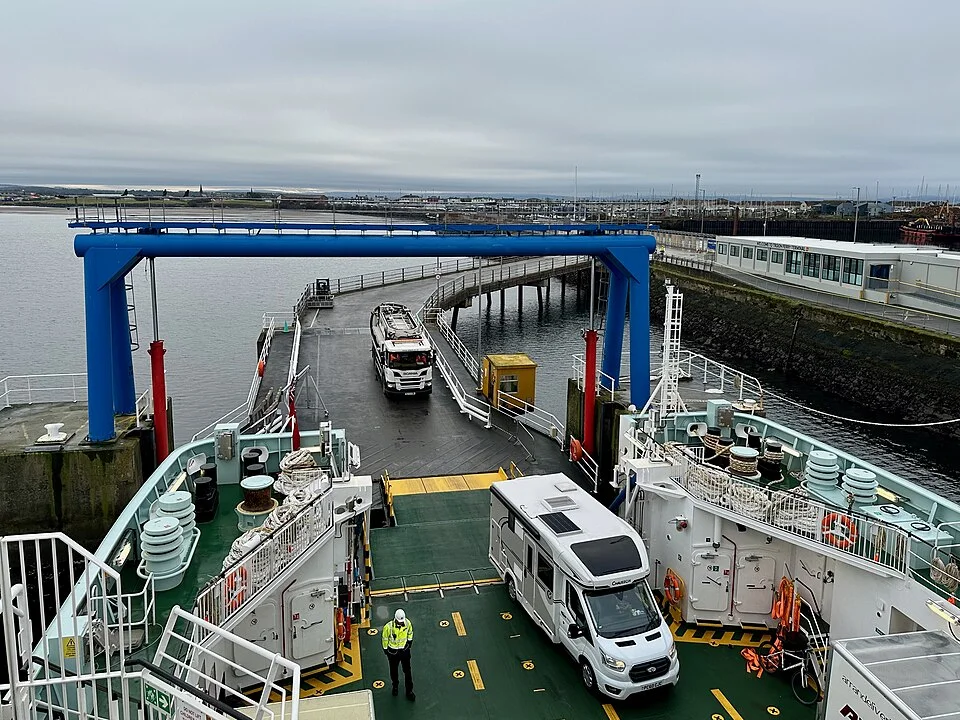
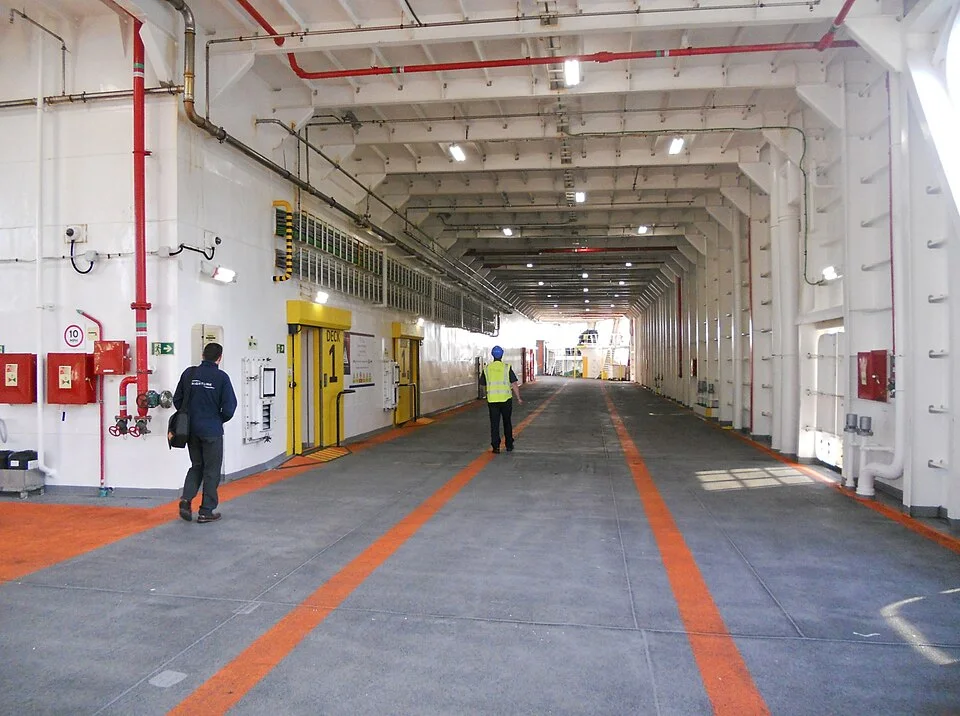
Facility photographs are examples; the vessels shown are identified below. Facilities vary by ship.
250120 1029 MV Glen Sannox loading, Port of Troon ferry terminal.jpg — Dave souza; CC BY-SA 4.0. Source: https://commons.wikimedia.org/wiki/File:250120_1029_MV_Glen_Sannox_loading,_Port_of_Troon_ferry_terminal.jpg. Licence: https://creativecommons.org/licenses/by-sa/4.0. Resized for display.
Cabin on MV Hrossey - geograph.org.uk - 7254252.jpg — Oliver Dixon; CC BY-SA 2.0. Source: https://commons.wikimedia.org/wiki/File:Cabin_on_MV_Hrossey_-_geograph.org.uk_-_7254252.jpg. Licence: https://creativecommons.org/licenses/by-sa/2.0. Resized for display.
Cavalier King Charles Spaniel (49687542022).jpg — Chris Hunkeler from Carlsbad, California, USA; CC BY-SA 2.0. Source: https://commons.wikimedia.org/wiki/File:Cavalier_King_Charles_Spaniel_(49687542022).jpg. Licence: https://creativecommons.org/licenses/by-sa/2.0. Resized for display.
Check-in, Holyhead Ferry Terminal - geograph.org.uk - 7757104.jpg — JThomas; CC BY-SA 2.0. Source: https://commons.wikimedia.org/wiki/File:Check-in,_Holyhead_Ferry_Terminal_-_geograph.org.uk_-_7757104.jpg. Licence: https://creativecommons.org/licenses/by-sa/2.0. Resized for display.
Deckchair on ferry.jpg — User:Amada44; CC BY 3.0. Source: https://commons.wikimedia.org/wiki/File:Deckchair_on_ferry.jpg. Licence: https://creativecommons.org/licenses/by/3.0. Resized for display.
Vehicle deck on the Victoria of Wight (Wightlink ferry).jpg — ITookSomePhotos; CC BY-SA 4.0. Source: https://commons.wikimedia.org/wiki/File:Vehicle_deck_on_the_Victoria_of_Wight_(Wightlink_ferry).jpg. Licence: https://creativecommons.org/licenses/by-sa/4.0. Resized for display.



 Italy
Italy Day & overnight crossings
 Mediterranean islands