


Wightlink
Check the Yarmouth departure for your date, passenger category, vehicle space and ticket conditions.
Read operator information →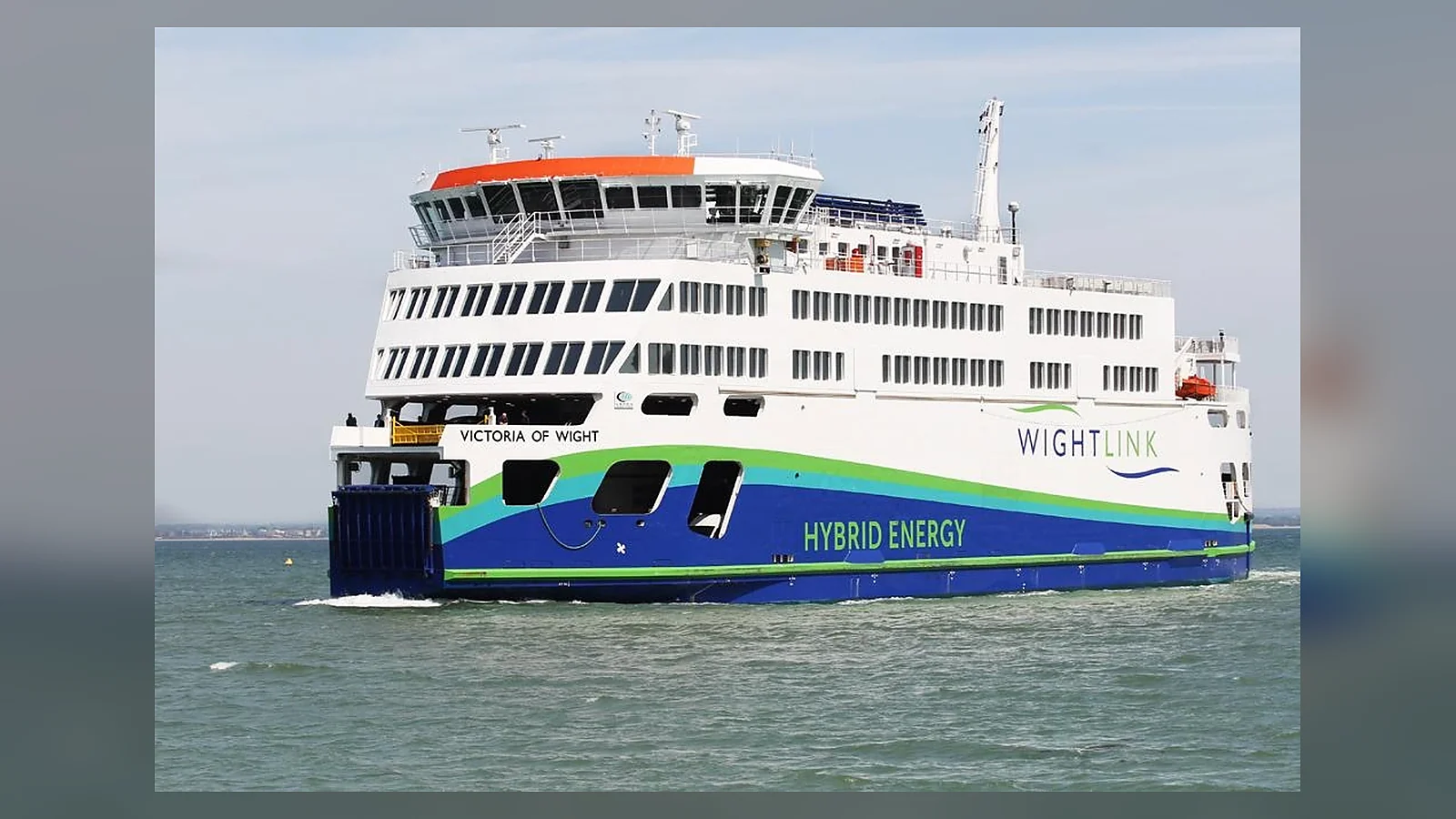
Start in Yarmouth and plan the crossing to Lymington: choose the departure terminal, compare the dated sailing and arrange the connection after landing. Use the reverse guide for the return journey.
This page covers the Yarmouth to Lymington direction. Check the departure from Yarmouth specifically: the return timetable, vessel and intermediate calls can differ from those in the opposite direction.
Departing Yarmouth. Use the terminal named on your booking when arranging a transfer or planning the drive. Include time to reach check-in, and allow for disembarkation before committing to a bus, train or onward ferry.
On arrival in Lymington. If you are joining separate ferry journeys, check each leg and leave a practical connection margin.
Use the dated timetable for the departure and arrival time. Do not calculate this direction from the outward crossing time: daylight, overnight and multi-stop sailings can have different durations.
Corridor context. Lymington to Yarmouth is Wightlink’s western Solent route and takes around 40 minutes. It carries vehicles and foot passengers between the New Forest coast and Yarmouth on the Isle of Wight.
For the opposite direction and the original crossing details, see Lymington → Yarmouth.
Compare the exact sailing and the conditions for your passenger and vehicle category.
Check the Yarmouth departure for your date, passenger category, vehicle space and ticket conditions.
Read operator information →Use the terminal named on your booking when arranging a transfer or planning the drive. Include time to reach check-in, and allow for disembarkation before committing to a bus, train or onward ferry.
Read the Yarmouth port guide →If you are joining separate ferry journeys, check each leg and leave a practical connection margin.
Read the Lymington port guide →Facilities depend on the vessel assigned to the departure. Treat the booking result and operator confirmation as the source for the exact ship and onboard services.
Use the dated timetable for the departure and arrival time. Do not calculate this direction from the outward crossing time: daylight, overnight and multi-stop sailings can have different durations.
Keep tickets, medicines, weatherproof layers and essentials with you. On a vehicle ferry, access to the garage is usually restricted once the ship is at sea. Check whether the selected ticket includes a seat, cabin or only passage.
Check the passenger and vehicle categories for the selected operator and vessel. Foot-passenger access, car space, bicycle arrangements, luggage and assistance may differ between services on the same corridor.
Keep the final confirmation accessible and check whether a QR code, printed ticket or exchange at the terminal is required. The supplier’s instructions override general guidance.
Carry the identification and travel documents required for the countries and territories in your itinerary. Domestic routes can still have operator identification rules.
Vehicle check-in often closes earlier than foot-passenger check-in. Use the time on the ticket and allow extra margin for traffic, parking or terminal access.
If you are joining separate ferry journeys, check each leg and leave a practical connection margin.
If you are joining separate ferry journeys, check each leg and leave a practical connection margin.
For the return, use the Lymington to Yarmouth guide. Check both directions before choosing accommodation. If no sailing appears, use the official timetable to distinguish a sold-out departure, a seasonal service and an operator absent from the comparison search.
Build the itinerary in sailing order: reach the departure terminal at Yarmouth, complete ferry check-in, then plan the transfer from the arrival terminal at Lymington. Compare that full sequence with the route in the booking result; a place name alone does not identify the quay or the passenger entrance.
Plan the two ends of the crossing: Yarmouth departure and local travel guide · Lymington arrival and local travel guide.
For the return, the journey starts at Lymington. Use the Lymington to Yarmouth guide to check that departure separately; the last useful connection and the terminal approach at Lymington may differ from the outward trip.
Map orientation: Yarmouth area in Google Maps · Lymington area in Google Maps.
The map searches show the named places. Use the terminal address and reporting instructions on your operator confirmation for navigation to check-in.
Use the terminal named on your booking when arranging a transfer or planning the drive. Include time to reach check-in, and allow for disembarkation before committing to a bus, train or onward ferry.
The planning guide is Check the dated return sailing. Confirm the departure and arrival shown for the exact date, since vessel assignments and intermediate stops can change.
Wightlink. This page covers the Yarmouth to Lymington direction. Check the departure from Yarmouth specifically: the return timetable, vessel and intermediate calls can differ from those in the opposite direction.
Check the passenger and vehicle categories for the selected operator and vessel. Foot-passenger access, car space, bicycle arrangements, luggage and assistance may differ between services on the same corridor.
Check the Lymington to Yarmouth timetable before booking the outward journey. A return may use a different vessel, schedule or intermediate-stop pattern.
Use the official operator timetable and booking link on this page. Some local routes and passenger categories are not sold through the comparison provider; a blank result alone does not establish that the route has closed.
If you are joining separate ferry journeys, check each leg and leave a practical connection margin.
Search the exact date, passengers and vehicle details, then verify the route and operator before booking.
