


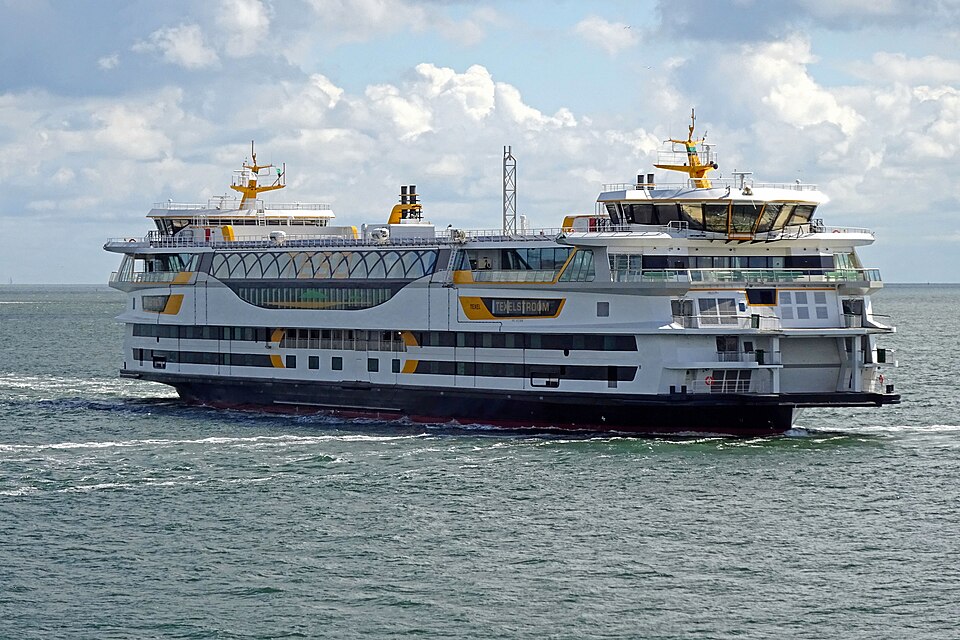
Compare Ferry Routes Across the UK & Europe
Work out the crossing, the terminal and the journey on either shore. EUFerry connects directional ferry guides with port information and a sailing search for your dates.
 Ferry Search
 Multi-City


Explore the EUFerry network
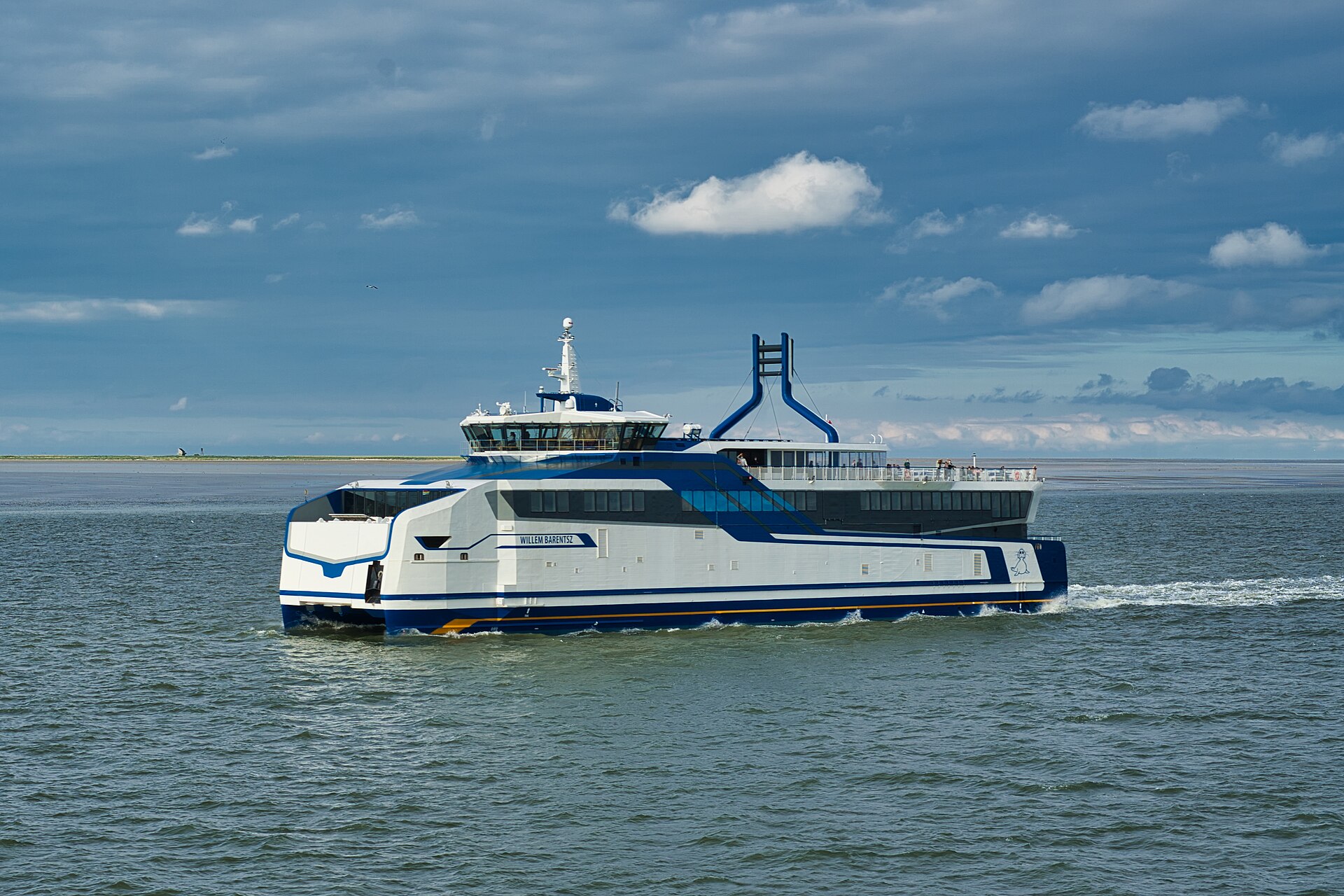 Ferry RoutesDiscover popular ferry routes across Europe.View routes →
 Top DestinationsExplore coastlines, islands and port cities.Explore destinations →
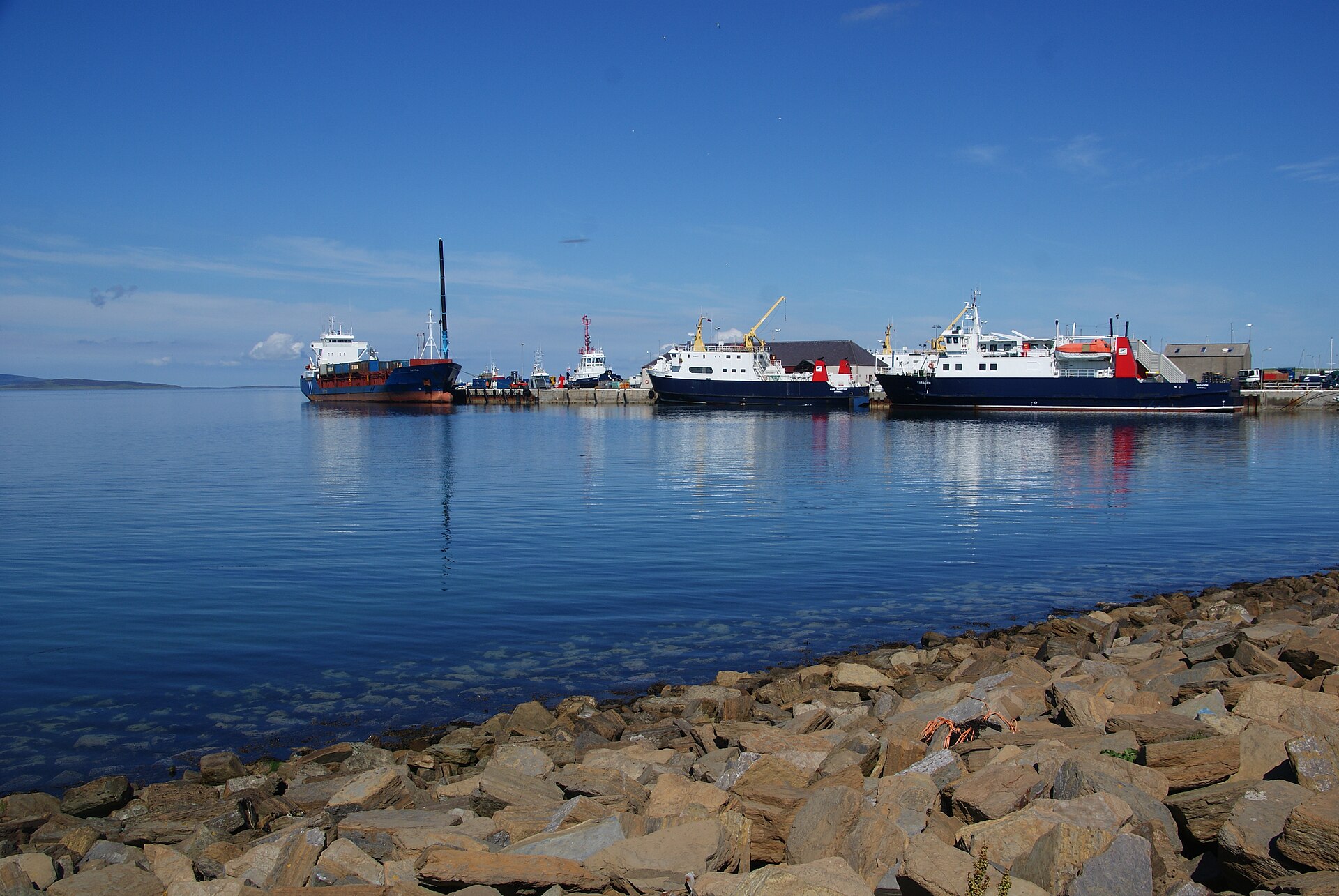 Ferry CompaniesCompare operators and find the right crossing.View operators →
Plan Your JourneyStart with dates, passengers and your vehicle.Search ferries →

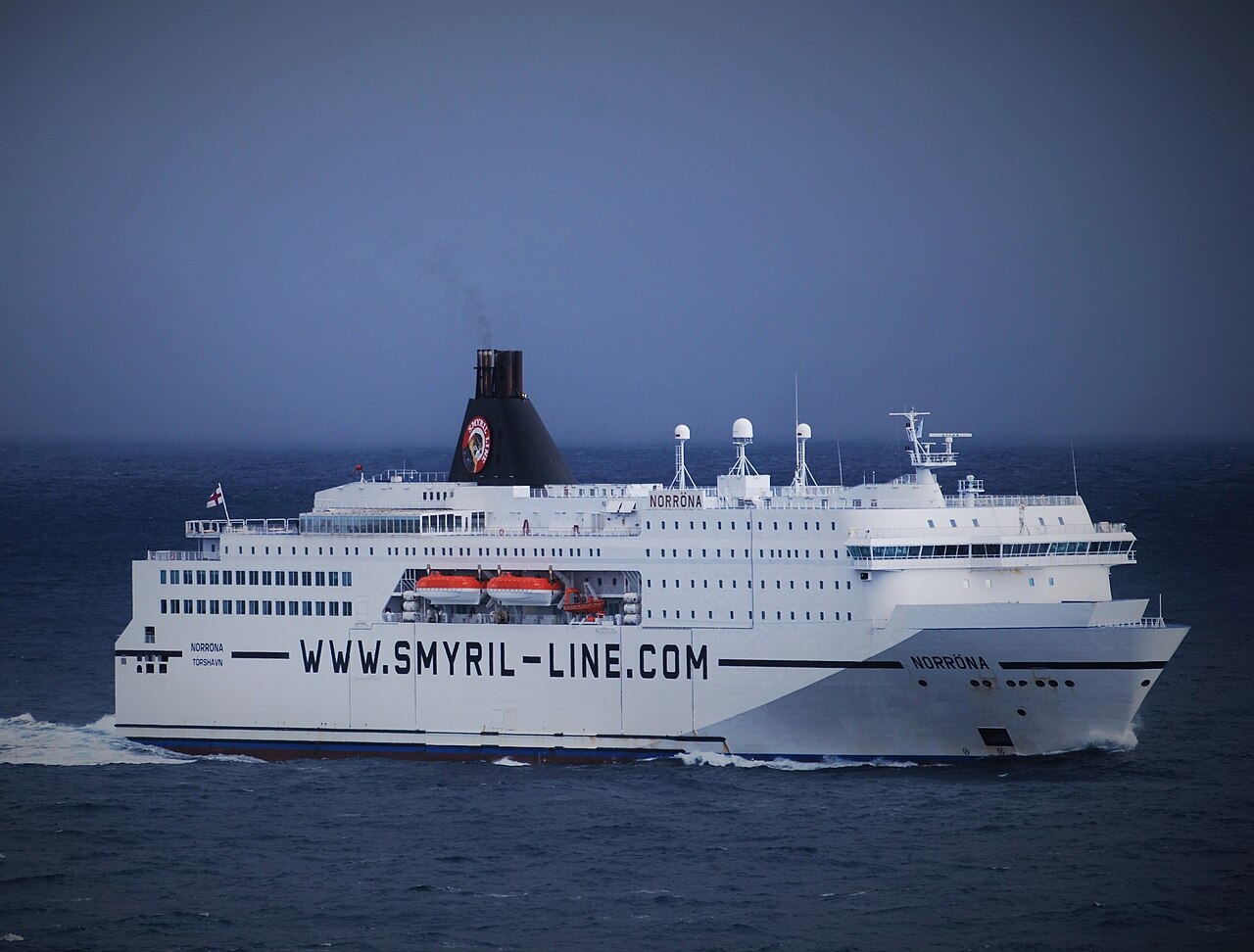
A different way to travel between countries and islands
A ferry itinerary has three parts: reaching the departure terminal, making the sea crossing and travelling on from the arrival port. A convenient sailing can save a long drive or link an island with the mainland, but the best choice depends on all three parts. Use the guides to compare that complete journey before choosing a fare.
A twenty-minute island crossing and an overnight international ferry need different planning. Short routes may involve queues and local transport connections; longer sailings can require a cabin, an overnight bag and more time at check-in. Match the service to your passengers and vehicle rather than choosing by distance alone.
- Travel with a car, motorcycle, bicycle or motorhome on many routes
- Choose fast daytime crossings or longer overnight sailings
- Connect mainland Europe with islands and neighbouring countries
From the English Channel to the Greek Islands
Start with the coast or island you need to reach. The directory includes Channel and Irish Sea crossings, Dutch island ferries, Mediterranean and Adriatic routes, Greek island connections and northern European sailings. Some operate throughout the year; others depend on the season or a particular itinerary.
For each option, identify the departure point, the arrival terminal and the operators to compare. Then check whether the sailing accepts your travel category and how the landing fits your onward plans. The reverse-direction guide helps you plan the return separately.
See all ferry routes

More freedom than a flight
Your transport choice changes which ferries and terminals are practical. Decide how you will reach the port and leave the ferry before narrowing the search.

Take your own vehicle
For a driving holiday, compare the road journey to each port as well as the crossing. Include the full vehicle dimensions and any trailer when searching.
Travel as a foot passenger
For a journey without a car, check passenger acceptance first, then the station, bus stop or walking route serving the actual terminal.
Make the crossing part of the holiday
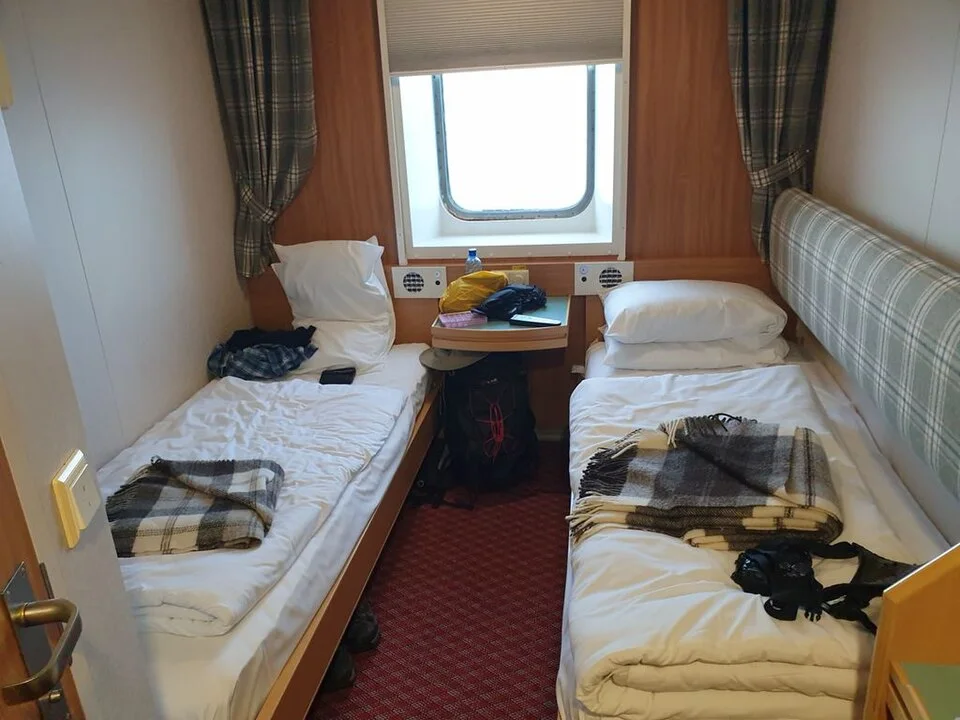
On a longer crossing, consider a cabin or reserved seat and the arrival time ashore. Keep overnight essentials accessible because vehicle-deck access may be restricted.
Useful information before you reach the port
Read the operator’s reporting time and terminal instructions before setting off. A car with a roof load, a passenger needing assistance or a pet can change the booking details required. Leave room in the itinerary for traffic, boarding and disembarkation, especially when onward tickets are separate.
The destination guides help you orient yourself around the port; route pages explain the crossing in each direction; operator guides help you compare the service. Use those pieces together before committing to a train, hotel or second ferry.
Browse Ferry Companies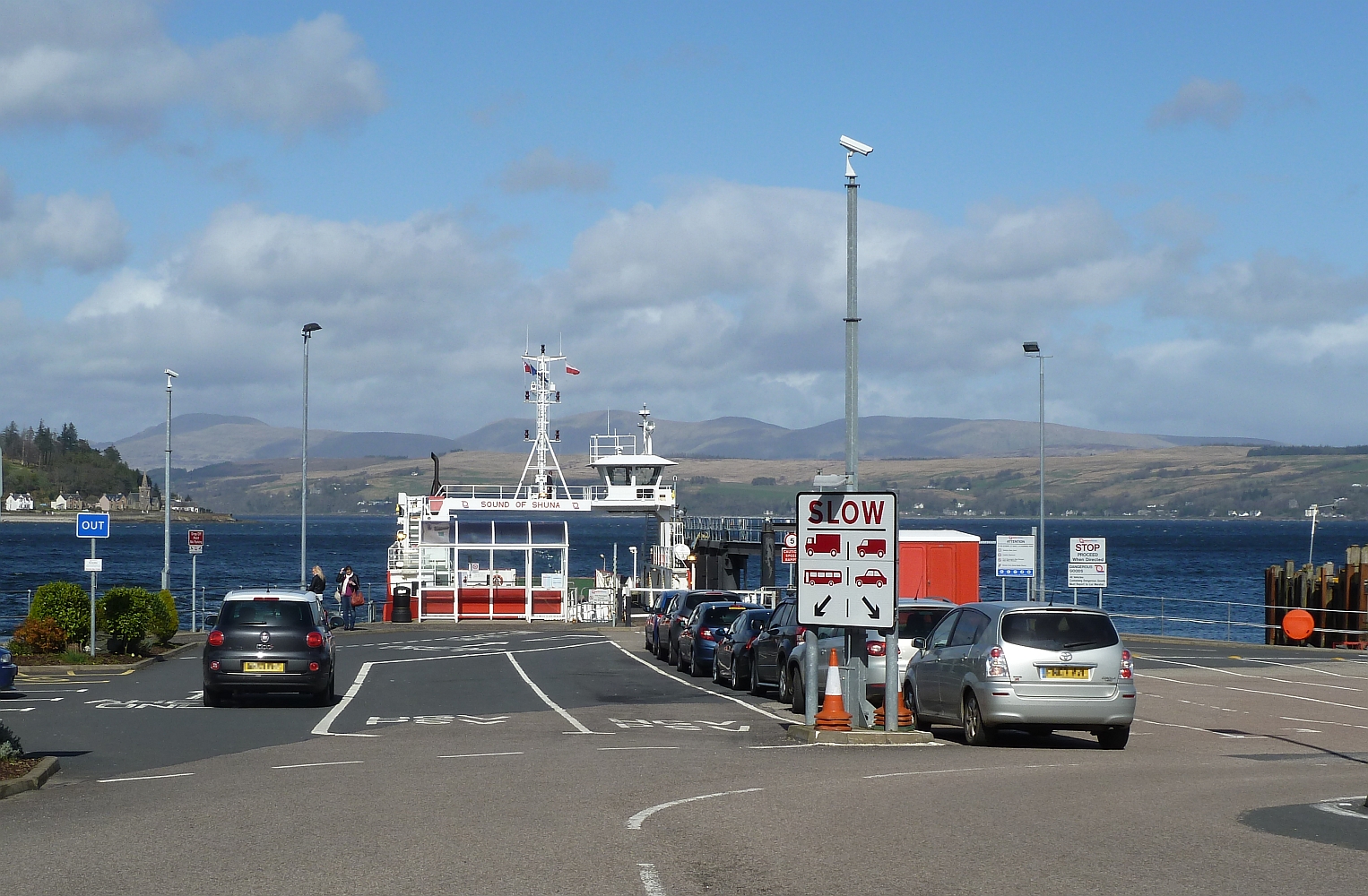
Take the road trip beyond the water
A vehicle ferry can connect two parts of a road journey. Check the landing point and the first road stage on arrival before deciding which crossing works best.
Search Ferry TicketsOne place to understand UK and European ferry travel
A city name is not always a terminal name. Amsterdam journeys can use IJmuiden, Rotterdam-area ferries use different gateways, and island services may land well outside the main town. Seasonal timetables and vessel-specific passenger rules add further choices. EUFerry helps you separate the destination you want to visit from the place where you actually board.
Choose the starting point that suits your planning. Search the route directory by ports and countries, use a destination guide when the crossing is undecided, or open an operator guide when you already know the company. Links connect these guides so you can move between the crossing and the places it serves.
Compare nearby ports when they offer a useful alternative, and read the departure guidance for the direction you intend to sail. For an island visit, consider the transfer after landing and the last practical return. For an overnight crossing, compare accommodation and arrival time alongside the passenger and vehicle fare.
Start planning your next ferry crossing
Choose a route, check both ports and then search dated sailings for the passengers and vehicle travelling.