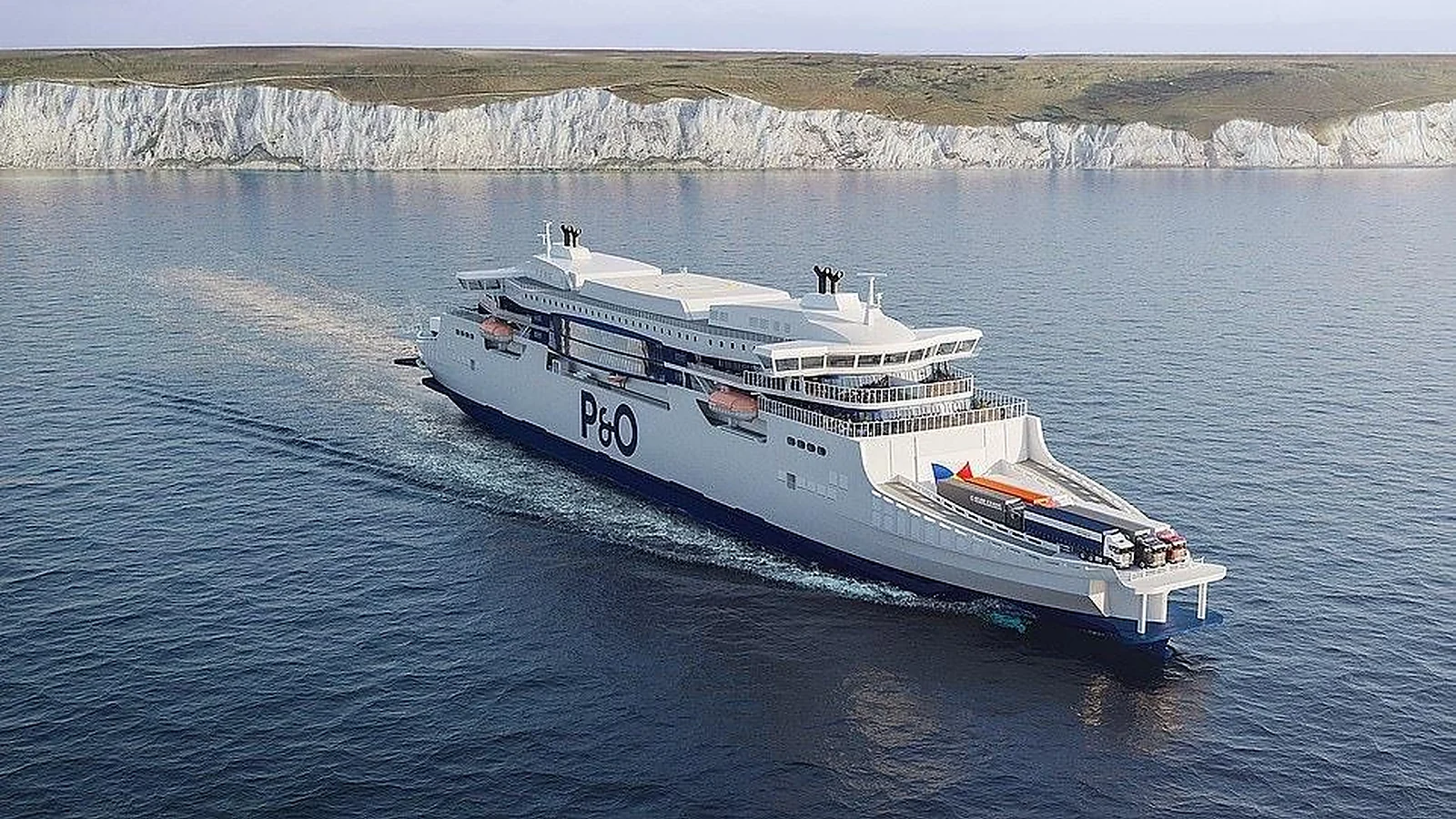
Plan your P&O Ferries journey with EUFerry by reviewing routes and passenger information first, then
compare current sailings and ticket choices for your dates.
Three passenger corridors Cars & touring vehicles Overnight cabins to Rotterdam
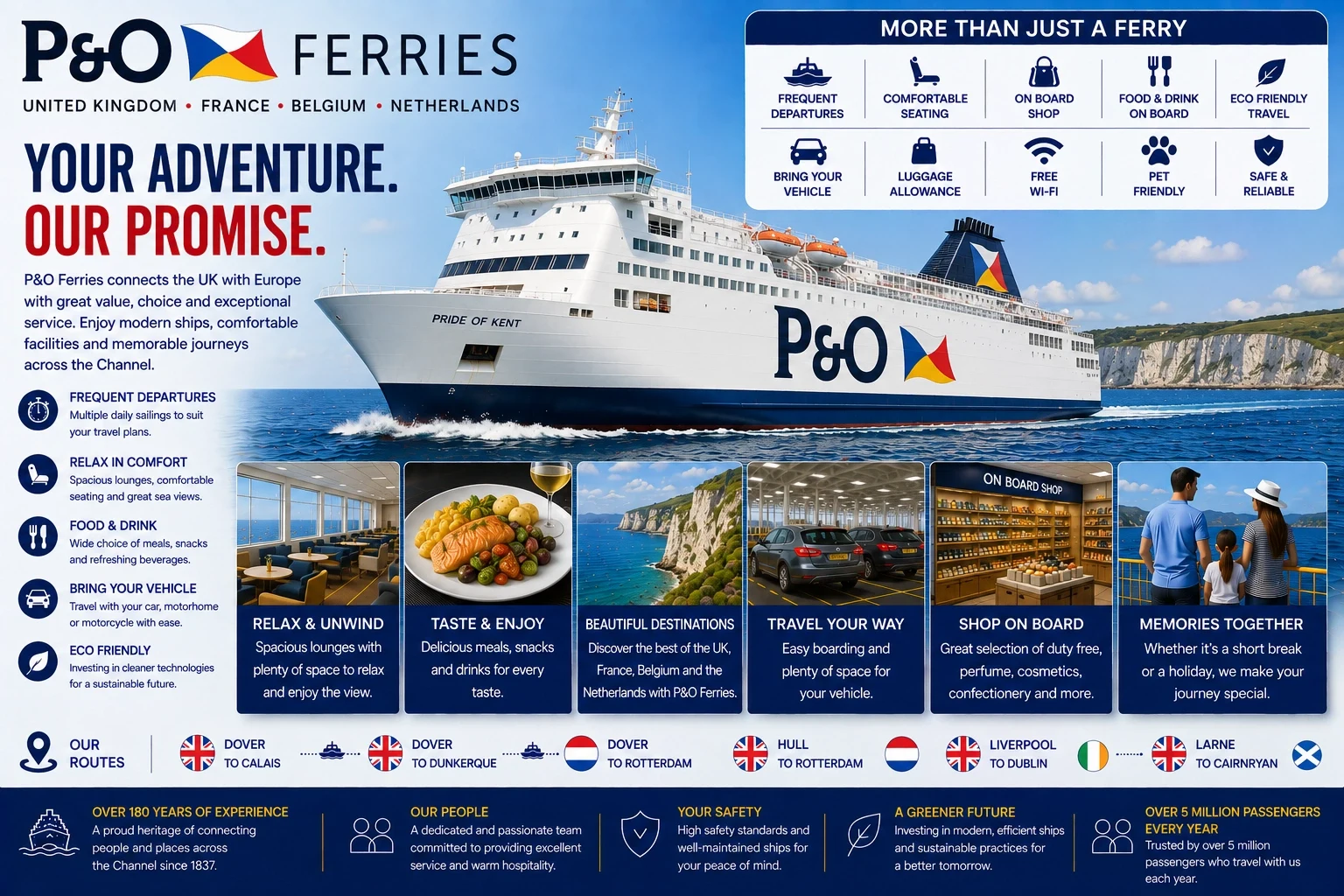
P&O Ferries currently concentrates its passenger business on three distinct corridors: the short
English Channel crossing between Dover and Calais, the overnight North Sea service between Hull and
Rotterdam, and the Irish Sea connection between Cairnryan and Larne.
That gives travellers three different reasons to choose the operator. Dover–Calais is built around
frequent short-sea departures, Hull–Rotterdam combines transport with an overnight cabin, and
Cairnryan–Larne provides a fast two-hour link between Scotland and Northern Ireland.
All three routes carry vehicles and accept foot passengers, but onboard accommodation, check-in
procedures and pet arrangements vary substantially. Use the route-specific information on this page
as a planning guide and the final booking confirmation as the definitive travel instruction.
EUFerry travel note: for a European road trip, compare Dover–Calais with Hull–Rotterdam by looking at the total motorway distance after disembarkation, not just the ferry fare.
Britain to France, Holland and Northern Ireland
P&O Ferries routes
The current passenger network fits neatly into three route cards, each serving a different type of journey.
About 90 minutesEnglish Channel
England
Dover
France
Calais
P&O's busiest passenger route is a short Channel crossing suited to cars, motorhomes, motorcycles,
bicycles and foot passengers. Current schedules provide frequent daily departures.
Fast route for France, Belgium and onward continental road trips
Club Lounge, World Duty Free and Pet Lounge options
Border-processing and check-in rules should be checked before travel
Hull–Rotterdam is an overnight service of roughly 12 hours. A current 2026 timetable example shows
an 11 hour 45 minute sailing, making the route a useful alternative to driving south to the Channel.
Private cabin accommodation is central to the overnight journey
Good gateway for the Netherlands, Germany and northern Europe
Three corridors with very different onward journeys
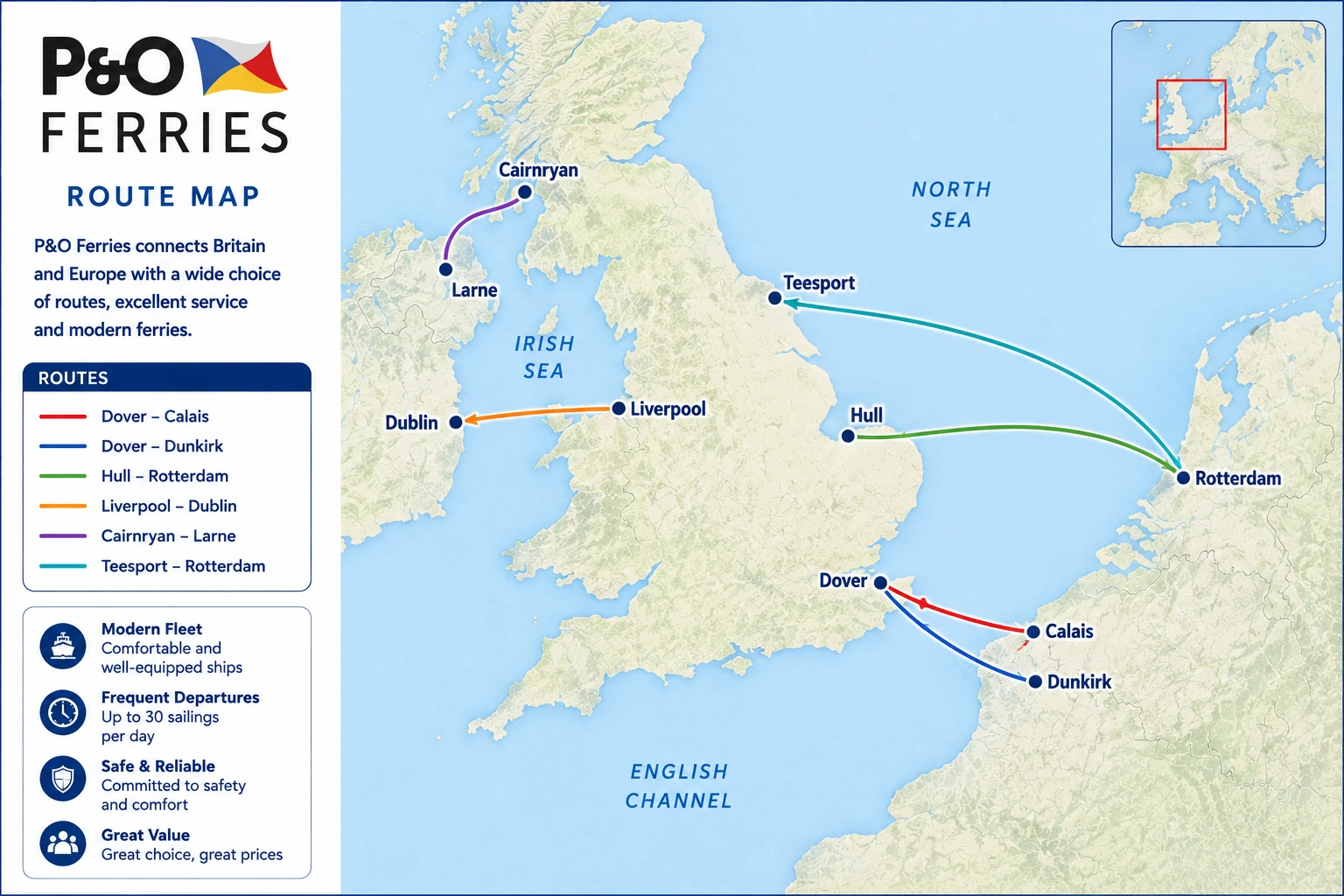
The EUFerry route map shows P&O Ferries' main passenger corridors. Dover is the fastest way onto the
near Continent, Rotterdam shortens the road journey towards northern Europe, while Larne is a direct
gateway into Northern Ireland.
Use the map as a planning aid rather than a timetable. Frequency, departure times and vessel
assignments vary by route and date.
After choosing the most practical route, compare the live P&O Ferries sailing for departure time,
calling pattern, passenger requirements and the facilities or accommodation shown for that service.
The complete itinerary and arrival location can matter more than a small difference in the headline
fare.
For a long European road trip, calculate the drive from Calais and from Rotterdam to your final
destination. The overnight North Sea crossing can save a substantial amount of motorway driving.
Illustrative P&O Ferries route map — confirm the live sailing for your selected date.
Three arrival gateways
Calais, Rotterdam and Larne
Each P&O destination opens a different part of Europe or the UK road network, so the best ferry
depends on where you actually want to go next.
France and near-Europe gateway
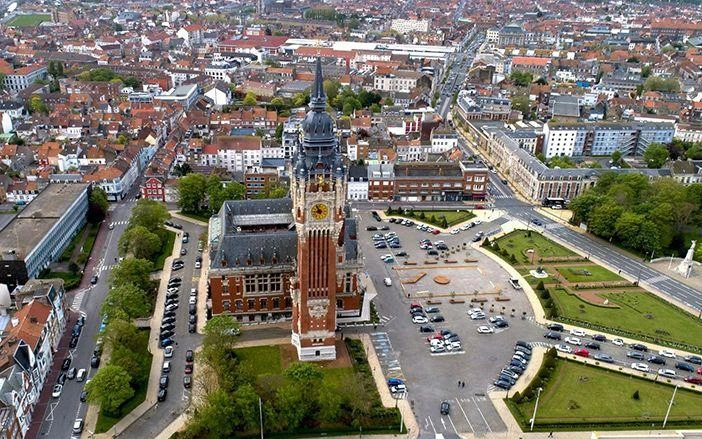
Calais
Calais connects directly with the A16 and A26 motorway network, making it practical for northern
France, Belgium, Paris and longer driving holidays across western and central Europe.
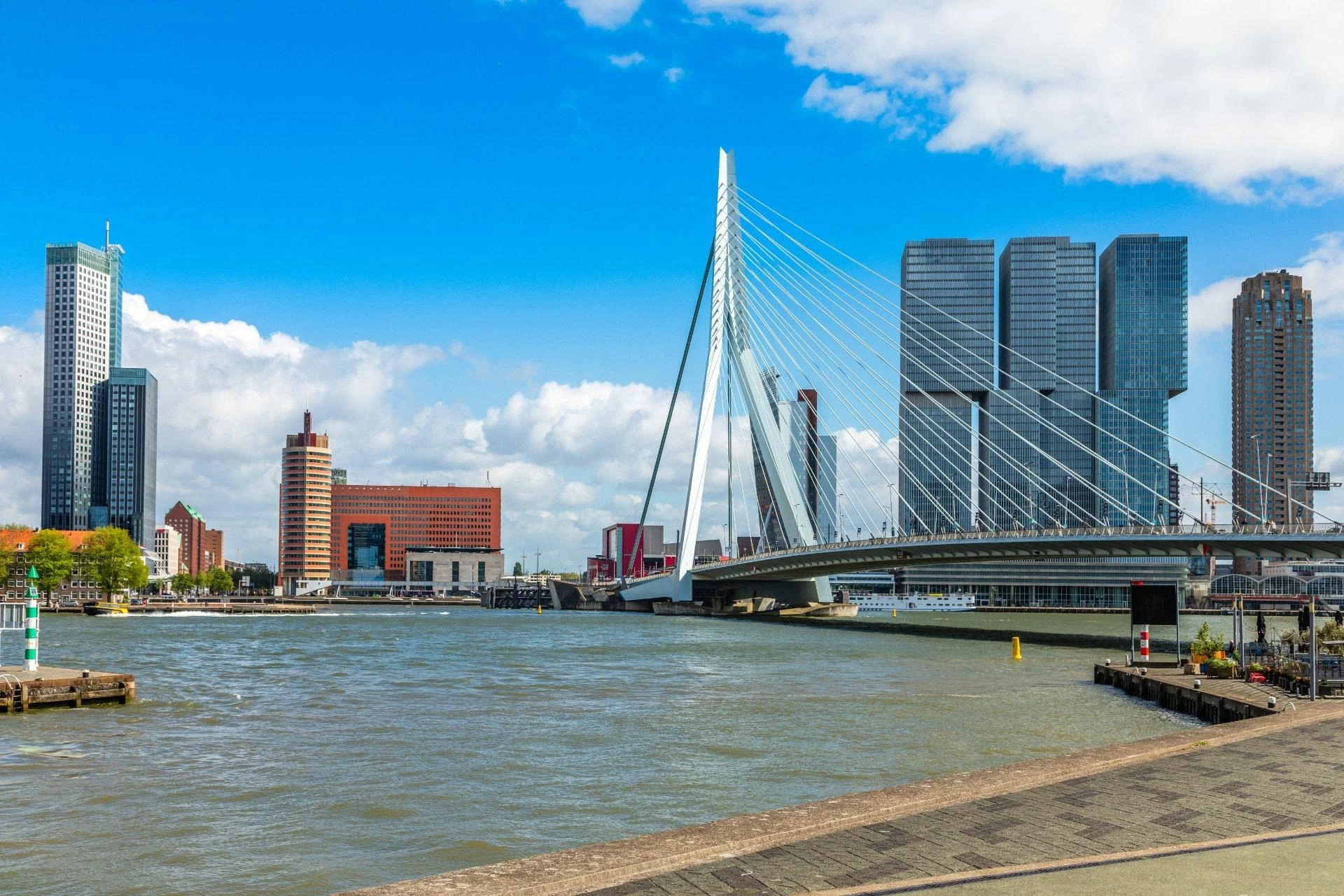
P&O arrives at Europoort, west of Rotterdam city. It is a useful starting point for Dutch road trips
and onward drives towards Germany, Belgium and northern continental Europe.
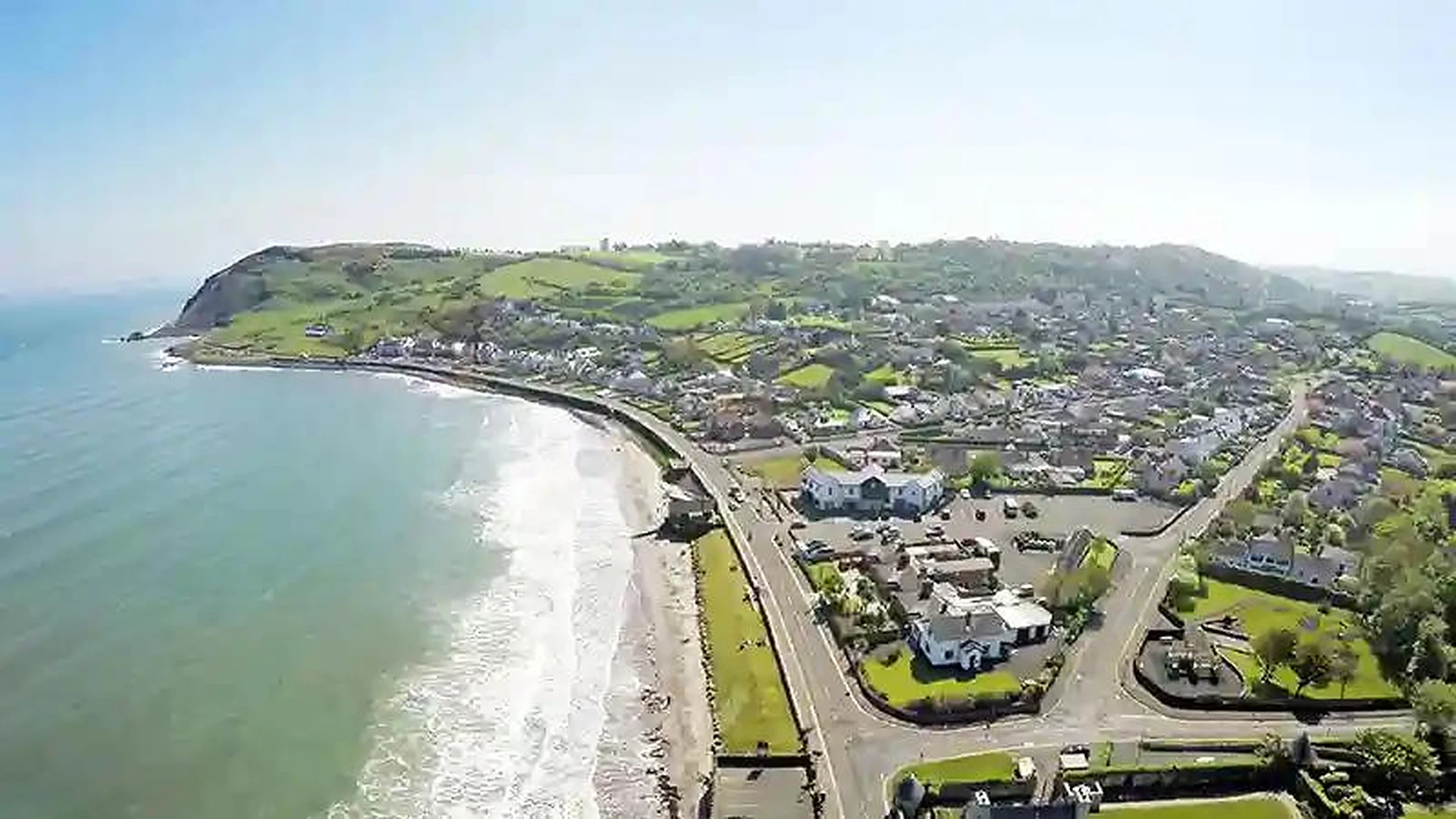
Larne sits on County Antrim's east coast with convenient road access towards Belfast, the Causeway
Coastal Route and onward travel across Northern Ireland and the Republic of Ireland.
Dover–Calais minimises time at sea; Hull–Rotterdam can minimise driving. Compare both when
travelling from northern Britain to the Netherlands, Germany or beyond.
Short-sea lounges or an overnight cabin
Passenger seating and cabins
Accommodation is route-specific. Dover–Calais and Cairnryan–Larne are short crossings built around
lounges and seating, while Hull–Rotterdam is a full overnight journey with private cabins.
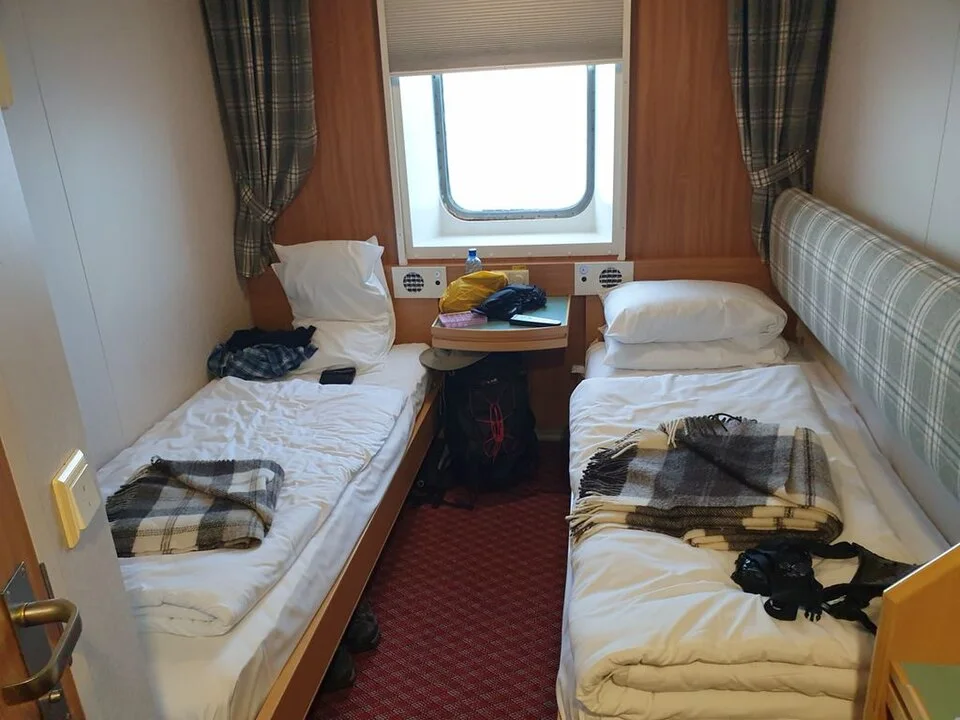
Private cabins allow passengers to sleep through the overnight Hull–Rotterdam journey. Short-sea routes focus on comfortable lounge seating rather than overnight accommodation.
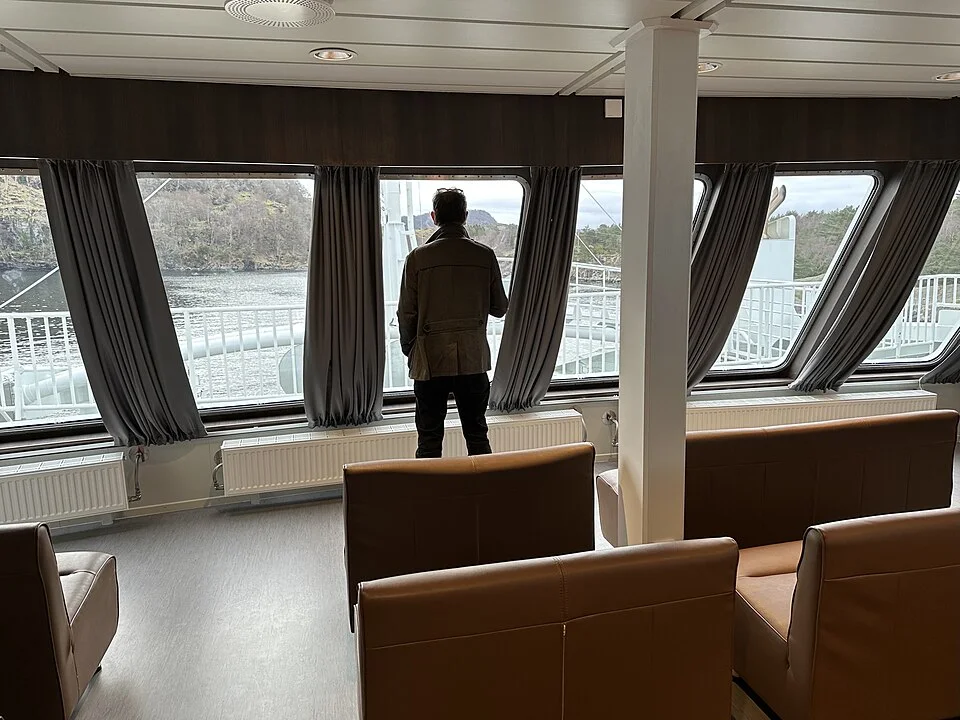
Standard passenger lounges
General lounge seating is appropriate for the 90-minute Dover crossing and two-hour Irish Sea
journey, with food, drink and shopping close by.
Best considered forDover–Calais and Cairnryan–Larne
Club Lounge
P&O offers premium Club Lounge access on short-sea routes, providing a quieter setting and an
enhanced food-and-drink experience.
Best considered forPassengers wanting a more relaxed short crossing
Standard cabins
Hull–Rotterdam Standard cabins include private en-suite facilities, bedding and towels, giving
passengers a proper place to sleep overnight.
Best considered forGood-value North Sea overnight travel
Premier and higher cabins
Premier, Club, Suite and State Room categories add varying levels of space, sea views and additional
amenities on the Hull–Rotterdam route.
Best considered forCouples and travellers wanting more comfort
Dog-friendly cabins
Selected Standard cabins on Hull–Rotterdam are specifically prepared for passengers travelling with
dogs and provide convenient access to the dog exercise area.
Best considered forOvernight Netherlands travel with a dog
Accessible cabins
Wheelchair-accessible cabins on Hull–Rotterdam include step-free en-suite bathrooms and adapted
shower facilities. Book the required accommodation in advance.
Best considered forPassengers needing adapted overnight accommodation
North Sea tip
Cabin choice affects how refreshed you arrive in the Netherlands. If you have a long drive after
Rotterdam, treat the cabin as part of the journey rather than an optional extra.
Use the crossing as a break from the road
Food, lounges, shopping and entertainment
P&O's onboard offer ranges from short-sea cafés and Club Lounges to a much broader overnight
experience on Hull–Rotterdam.
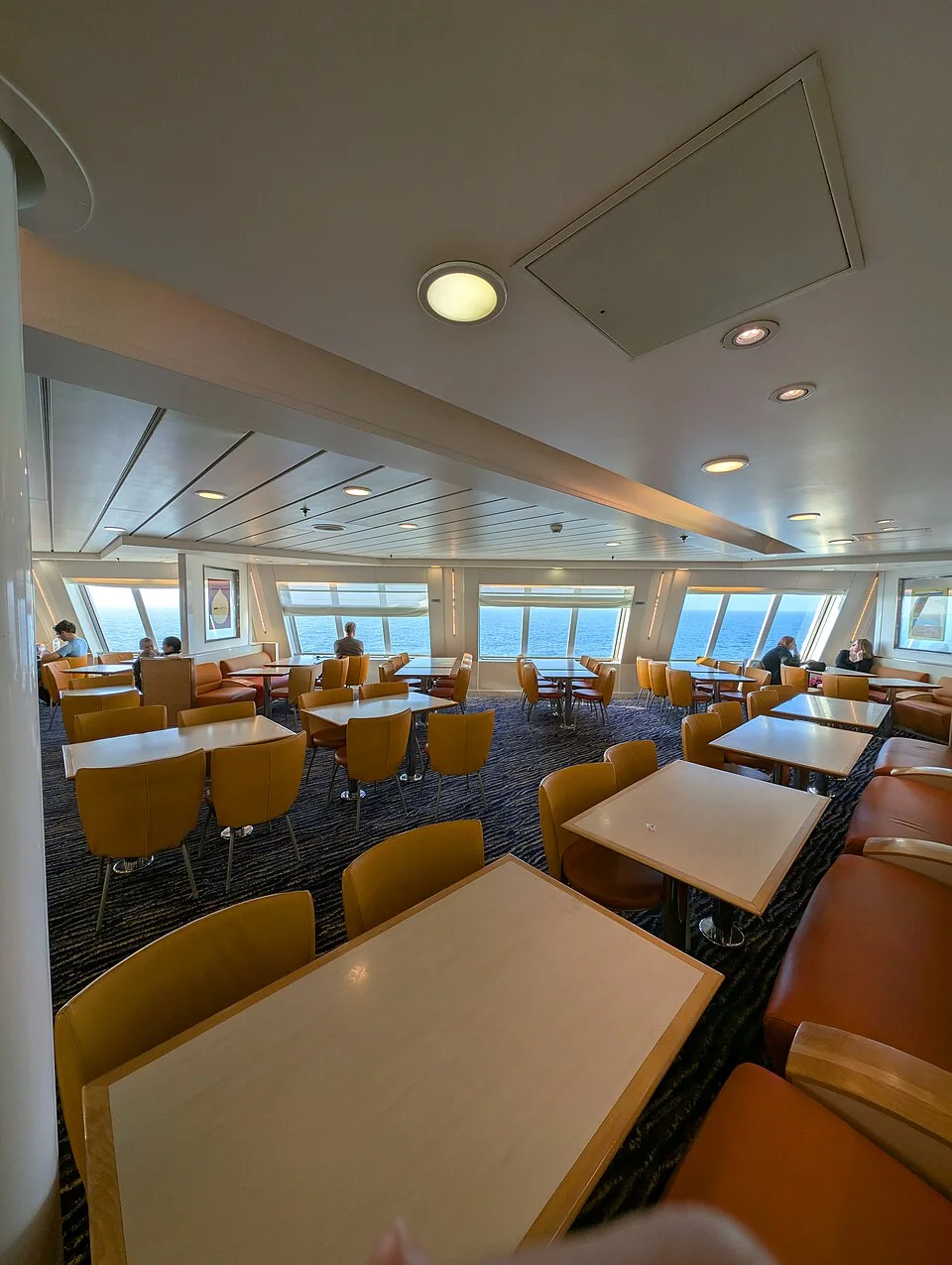
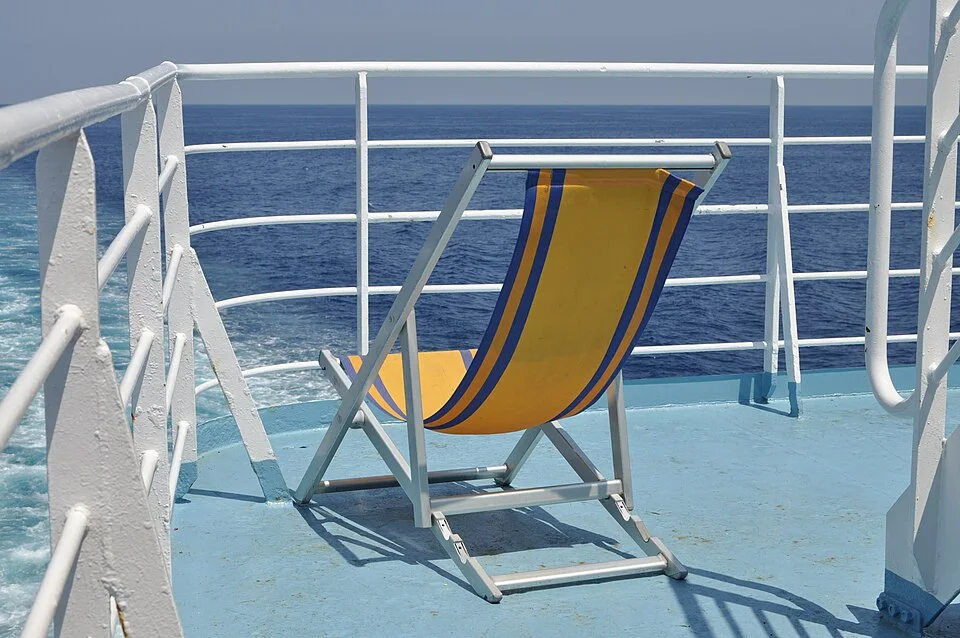
Restaurants and food outlets let passengers combine the ferry crossing with a meal. Passenger lounges provide a comfortable break from driving on all three routes. World Duty Free and onboard shopping are a prominent feature of P&O's short-sea services. Outdoor decks and sea views give passengers a change of pace between long driving stages.
Food and drink
Food courts, cafés, bars and more substantial dining choices vary by route, with the widest range on
the overnight North Sea ships.
Club Lounge
Premium lounge upgrades add quieter seating and enhanced refreshments on relevant short-sea sailings.
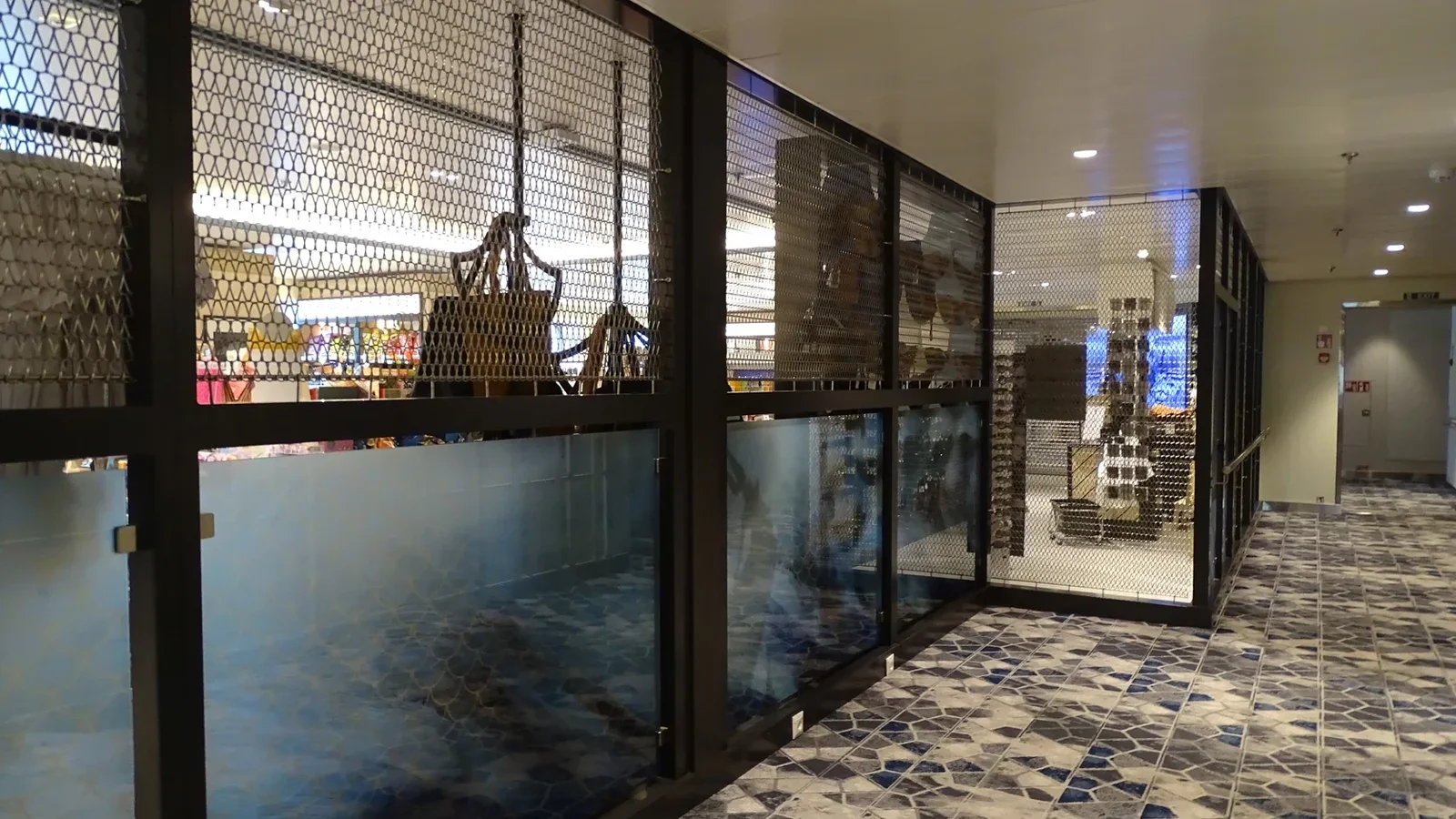
World Duty Free
Dover–Calais and Cairnryan–Larne passengers can make use of onboard shopping, including duty-free
and travel-retail products.
Family facilities
Children's entertainment and family-friendly seating help break up the journey, particularly on the
Irish Sea and longer North Sea route.
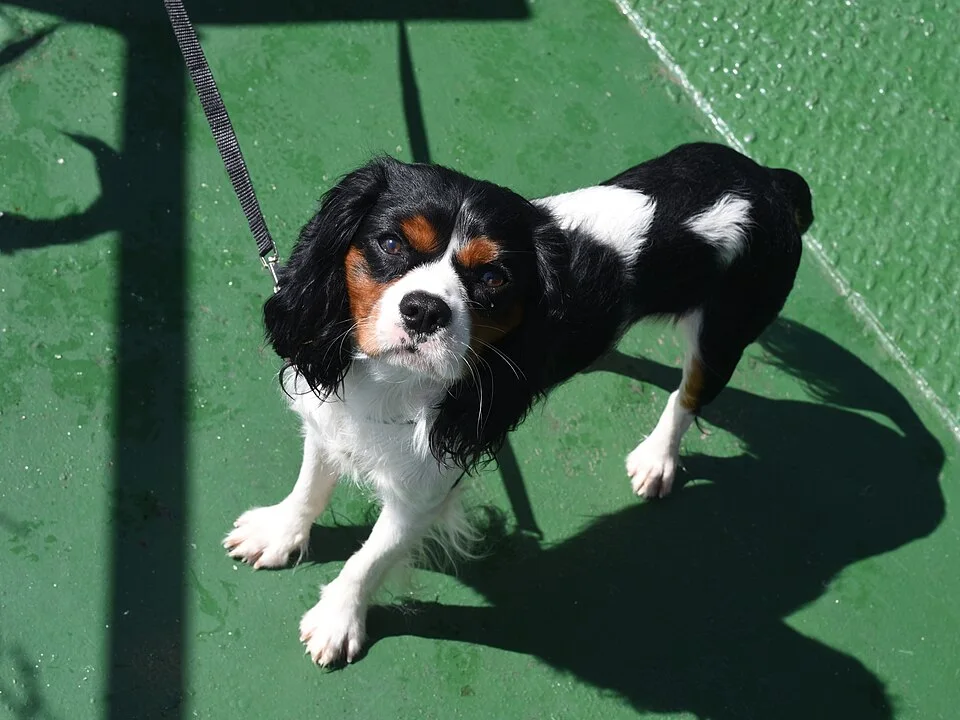
Pet travel options
Dog owners can book the Dover Pet Lounge or dog-friendly Hull cabins, while other pet arrangements
depend on the route.
Overnight entertainment
Hull–Rotterdam offers the broadest onboard experience, with restaurants, bars and entertainment
designed around a full evening at sea.
Images in this section are from EUFerry's general ferry-travel library and illustrate facility
types. The operator-specific hero and overview images show P&O Ferries imagery.
Take your own transport across the water
Vehicles, pets and accessibility
P&O Ferries is especially useful for self-drive travel, whether that means a weekend in northern
France, a motorhome journey through the Netherlands or a road trip across Northern Ireland.
Motorhomes and caravans should be booked with their full dimensions and declared gas equipment. Cars, motorcycles, vans and bicycles can travel on the current passenger network. Pet arrangements vary significantly between Dover–Calais, Hull–Rotterdam and Cairnryan–Larne.
Cars and motorcycles
Declare the correct vehicle type and size when booking and follow terminal lane instructions at
check-in. Once parked, take valuables and essential items to the passenger deck.
Vehicle dimensions must match the booking
Keep travel documents accessible
Vehicle-deck access is restricted during the crossing
Motorhomes, caravans and bicycles
Touring vehicles are accepted subject to space and correct dimensions. P&O also carries bicycles,
with route-specific check-in arrangements for cyclists.
Include roof loads and external carriers in dimensions
Declare gas bottles and follow current safety limits
Cyclists should review port-specific boarding instructions
Travelling with pets
Dover–Calais has a bookable Pet Lounge for dogs travelling with a vehicle. Hull–Rotterdam offers
kennels and dog-friendly cabins. Cairnryan–Larne follows its own pet-in-vehicle arrangements.
Book the pet before travel
Carry the documents required for the destination
Use only the pet accommodation permitted for that route
Reduced mobility and assistance
P&O asks passengers who need assistance to provide details when booking or in advance. Facilities
include lifts, accessible cabins and route-specific adapted spaces.
Declare the required level of assistance
Book accessible Hull–Rotterdam cabins in advance
Dover's newest ships include accredited Changing Places facilities
Different routes, different deadlines
Check-in, documents and boarding
P&O's three passenger routes have different check-in procedures. Build a buffer into your arrival
time and follow the route-specific deadline shown on the current booking confirmation.
Passport, booking and vehicle checks vary by route, especially on international crossings. Arrive before the published cut-off rather than aiming to reach the port at the final accepted minute.
Route-specific planning
Dover–Calais
Allow substantial time for border and terminal processing
P&O's current Dover guidance should be checked before travel because requirements differ by
passenger type and border-processing arrangements. Foot passengers should plan particularly
conservatively.
Hull–Rotterdam
Check in 90 minutes before departure
The current travel-information guidance requires both vehicle and foot passengers to check in 90
minutes before the overnight sailing.
Cairnryan–Larne
30 minutes for ordinary vehicles; 45 minutes for foot passengers or pets
These are the current minimum check-in times published by P&O for the Irish Sea route.
International travel
Carry the correct original travel documents
For France and the Netherlands, ensure passports and any visa or entry documents required for each
traveller are valid for the journey.
After parking
Take crossing essentials upstairs
Keep medicines, passports, phones, chargers, valuables, children's items and anything needed during
the voyage with you.
Choose the route that reduces the whole journey
When P&O Ferries can be the practical choice
Dover–Calais is ideal when frequency and a short sea crossing matter most. It gets road travellers
onto the French motorway network quickly and works well for France, Belgium and western continental
Europe.
Hull–Rotterdam is different. For travellers starting in northern England or Scotland and heading
towards the Netherlands or Germany, the overnight ferry can replace many hours of motorway driving.
A cabin also combines transport with a night's sleep.
Cairnryan–Larne works as a short bridge between Scotland and Northern Ireland. It is particularly
convenient for road trips towards Belfast, the Causeway Coast or onward journeys into the Republic
of Ireland.
Common planning questions
P&O Ferries FAQs
Which passenger routes does P&O Ferries operate in 2026?
P&O Ferries' current passenger network comprises Dover–Calais, Hull–Rotterdam and Cairnryan–Larne,
with return sailings on each route.
How long is the Dover to Calais ferry?
The Dover–Calais crossing takes about 90 minutes on current P&O Ferries schedules. Exact departure
times and the number of daily sailings vary by date.
How long is the Hull to Rotterdam ferry?
Hull–Rotterdam is an overnight North Sea service taking roughly 12 hours. A current 2026 timetable
example shows an 11 hour 45 minute crossing.
How long is the Cairnryan to Larne ferry?
The Cairnryan–Larne crossing takes about two hours and operates several times per day.
Can I take my car or motorhome on P&O Ferries?
Yes. Cars, motorcycles, vans, caravans, motorhomes and bicycles can be carried on suitable passenger
sailings. Book the correct vehicle type and dimensions.
Can I travel as a foot passenger?
Yes. P&O Ferries accepts foot passengers on Dover–Calais, Hull–Rotterdam and Cairnryan–Larne.
Foot-passenger check-in and boarding arrangements differ by route.
Can I take a pet on P&O Ferries?
Yes, with route-specific arrangements. Dover–Calais offers a bookable Pet Lounge for dogs travelling
with a vehicle, Hull–Rotterdam offers kennels and dog-friendly cabins, and pets on Cairnryan–Larne
can travel under the route's current pet rules.
Are cabins available on P&O Ferries?
Cabins are a major feature of the overnight Hull–Rotterdam service, with Standard, Premier,
accessible, dog-friendly and higher-category options. Short Dover–Calais and Cairnryan–Larne
crossings focus on lounges and seating instead.
What are the P&O Ferries check-in times?
Check-in depends on route and passenger type. Hull–Rotterdam currently requires check-in 90 minutes
before departure. Cairnryan–Larne requires at least 30 minutes for ordinary vehicle passengers and
45 minutes for foot passengers or passengers with pets. Dover–Calais guidance should be checked on
the current booking because requirements can differ by passenger type and border-processing
arrangements.
Does P&O Ferries provide accessibility assistance?
Yes. Passengers who need assistance should state their requirements when booking or notify P&O
Ferries in advance. Accessible facilities vary by route and ship, including accessible cabins on
Hull–Rotterdam and Changing Places facilities on the newest Dover–Calais ships.
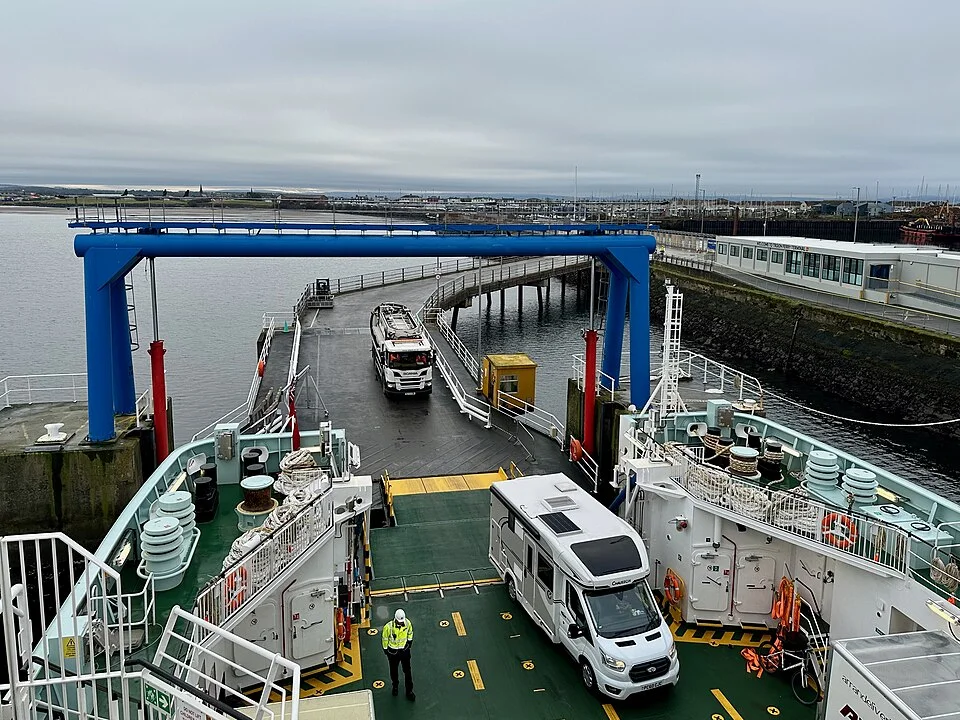
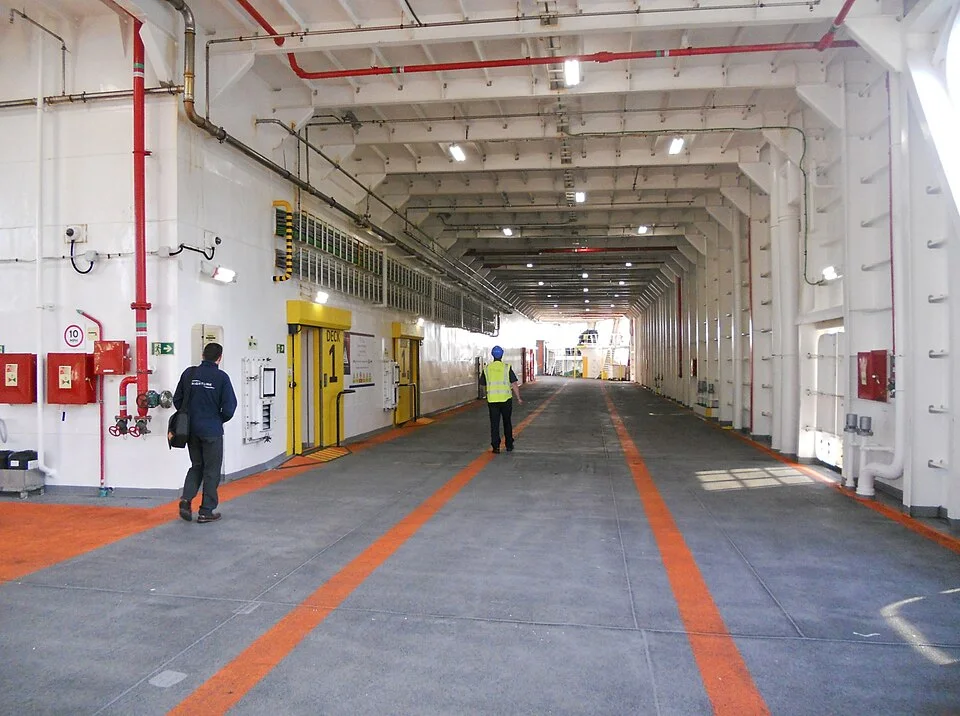
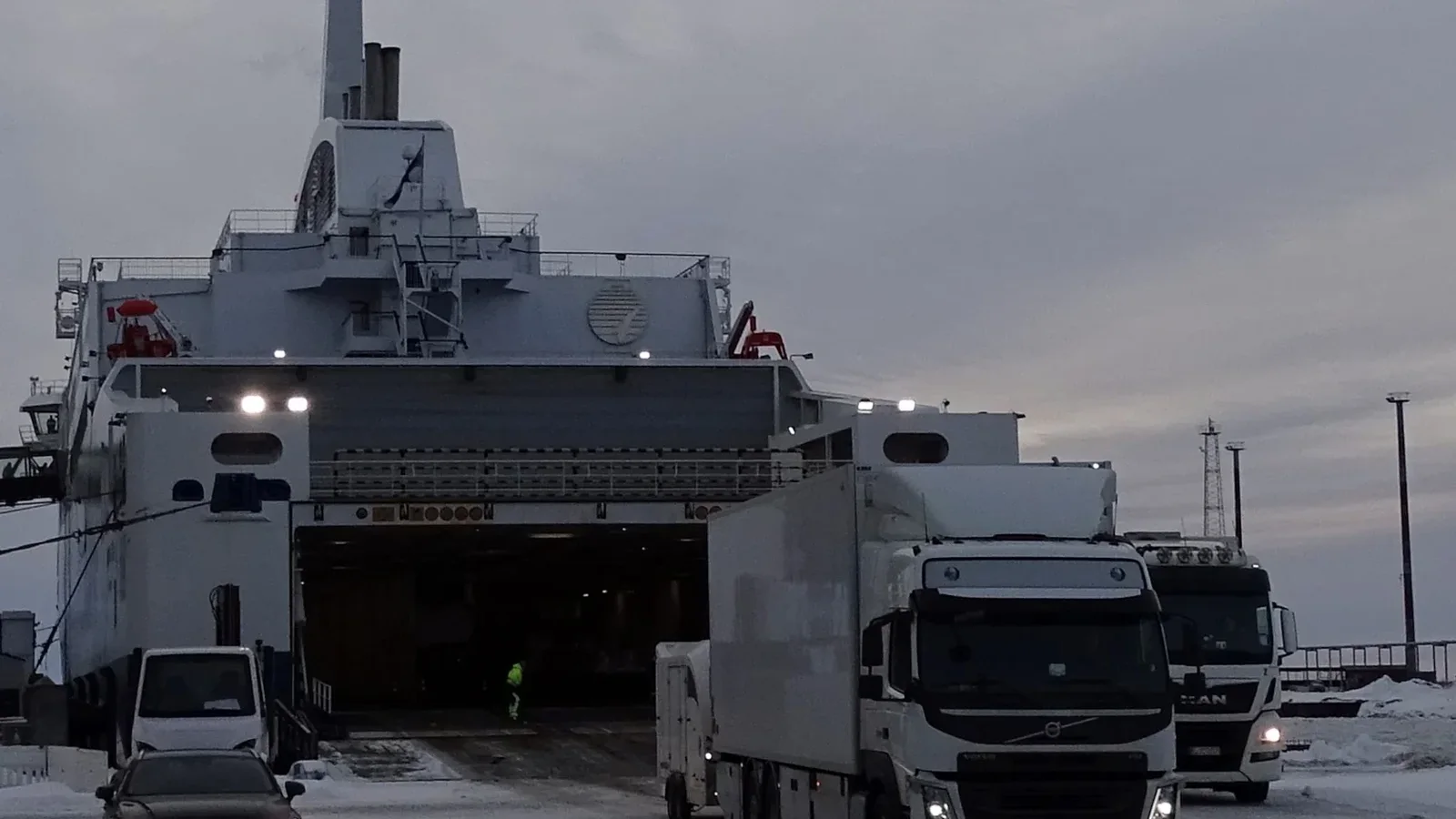
Facility photographs are examples; the vessels shown are identified below. Facilities vary by ship.
250120 1029 MV Glen Sannox loading, Port of Troon ferry terminal.jpg — Dave souza; CC BY-SA 4.0. Source: https://commons.wikimedia.org/wiki/File:250120_1029_MV_Glen_Sannox_loading,_Port_of_Troon_ferry_terminal.jpg. Licence: https://creativecommons.org/licenses/by-sa/4.0. Resized for display.
Cabin on MV Hrossey - geograph.org.uk - 7254252.jpg — Oliver Dixon; CC BY-SA 2.0. Source: https://commons.wikimedia.org/wiki/File:Cabin_on_MV_Hrossey_-_geograph.org.uk_-_7254252.jpg. Licence: https://creativecommons.org/licenses/by-sa/2.0. Resized for display.
Cavalier King Charles Spaniel (49687542022).jpg — Chris Hunkeler from Carlsbad, California, USA; CC BY-SA 2.0. Source: https://commons.wikimedia.org/wiki/File:Cavalier_King_Charles_Spaniel_(49687542022).jpg. Licence: https://creativecommons.org/licenses/by-sa/2.0. Resized for display.
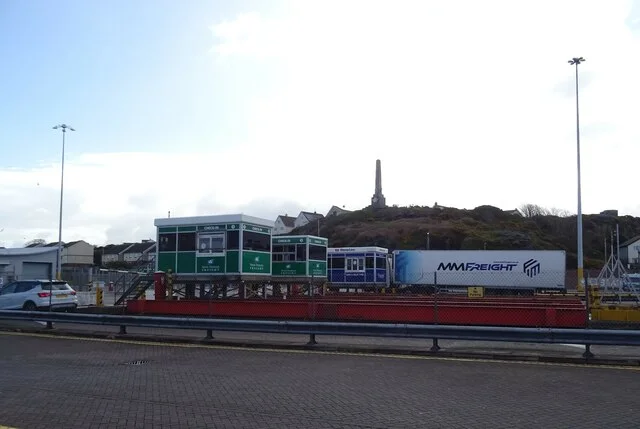
Check-in, Holyhead Ferry Terminal - geograph.org.uk - 7757104.jpg — JThomas; CC BY-SA 2.0. Source: https://commons.wikimedia.org/wiki/File:Check-in,_Holyhead_Ferry_Terminal_-_geograph.org.uk_-_7757104.jpg. Licence: https://creativecommons.org/licenses/by-sa/2.0. Resized for display.
Deckchair on ferry.jpg — User:Amada44; CC BY 3.0. Source: https://commons.wikimedia.org/wiki/File:Deckchair_on_ferry.jpg. Licence: https://creativecommons.org/licenses/by/3.0. Resized for display.
Vehicle deck on the Victoria of Wight (Wightlink ferry).jpg — ITookSomePhotos; CC BY-SA 4.0. Source: https://commons.wikimedia.org/wiki/File:Vehicle_deck_on_the_Victoria_of_Wight_(Wightlink_ferry).jpg. Licence: https://creativecommons.org/licenses/by-sa/4.0. Resized for display.



 Three passenger corridors
 Cars & touring vehicles
 Overnight cabins to Rotterdam