Use this EUFerry operator guide to understand where Irish Ferries sails and the practical options to
consider before checking current availability and fares.
A four-route network linking Ireland, Britain and France
Irish Ferries is the passenger-ferry division of Irish Continental Group plc. Current company information states that it operates eight ferries on international routes between Ireland, Britain and France, carrying passengers, vehicles and freight.
The current passenger network has four route markets: Dublin–Holyhead and Rosslare–Pembroke across
the Irish Sea, the overnight Dublin–Cherbourg connection to France, and the high-frequency
Dover–Calais service across the English Channel.
The fleet mixes a fast craft with larger cruise ferries. Dublin Swift is the only fast craft on the
Irish Sea; other ships add cabins, restaurants, Club Class, pet facilities and large vehicle decks
according to route and vessel.
Irish Ferries currently operates four passenger route markets. The three cards group them by journey
type while the route map shows the full network; use the live timetable for the exact ship and
departure.
Up to 4 dailyIrish Sea
Ireland
Dublin
Wales
Holyhead
Dublin–Holyhead is Irish Ferries’ core Irish Sea route. The current route page lists Ulysses, Dublin
Swift and James Joyce; the cruise-ferry schedule is about 3½ hours, while Dublin Swift crosses in
just over two hours.
Easy 30-minute latest check-in for standard motorists
Dublin Swift is the only fast craft on the Irish Sea
James Joyce is shown returning for the current summer programme
Rosslare–Pembroke is a direct southern Irish Sea route operated by Isle of Innisfree. Irish Ferries
currently advertises two crossings daily and a port-to-port journey of just over four hours.
Easy 30-minute latest check-in for standard motorists
Current route ship: Isle of Innisfree
Club Class, pet facilities and vehicle carriage available
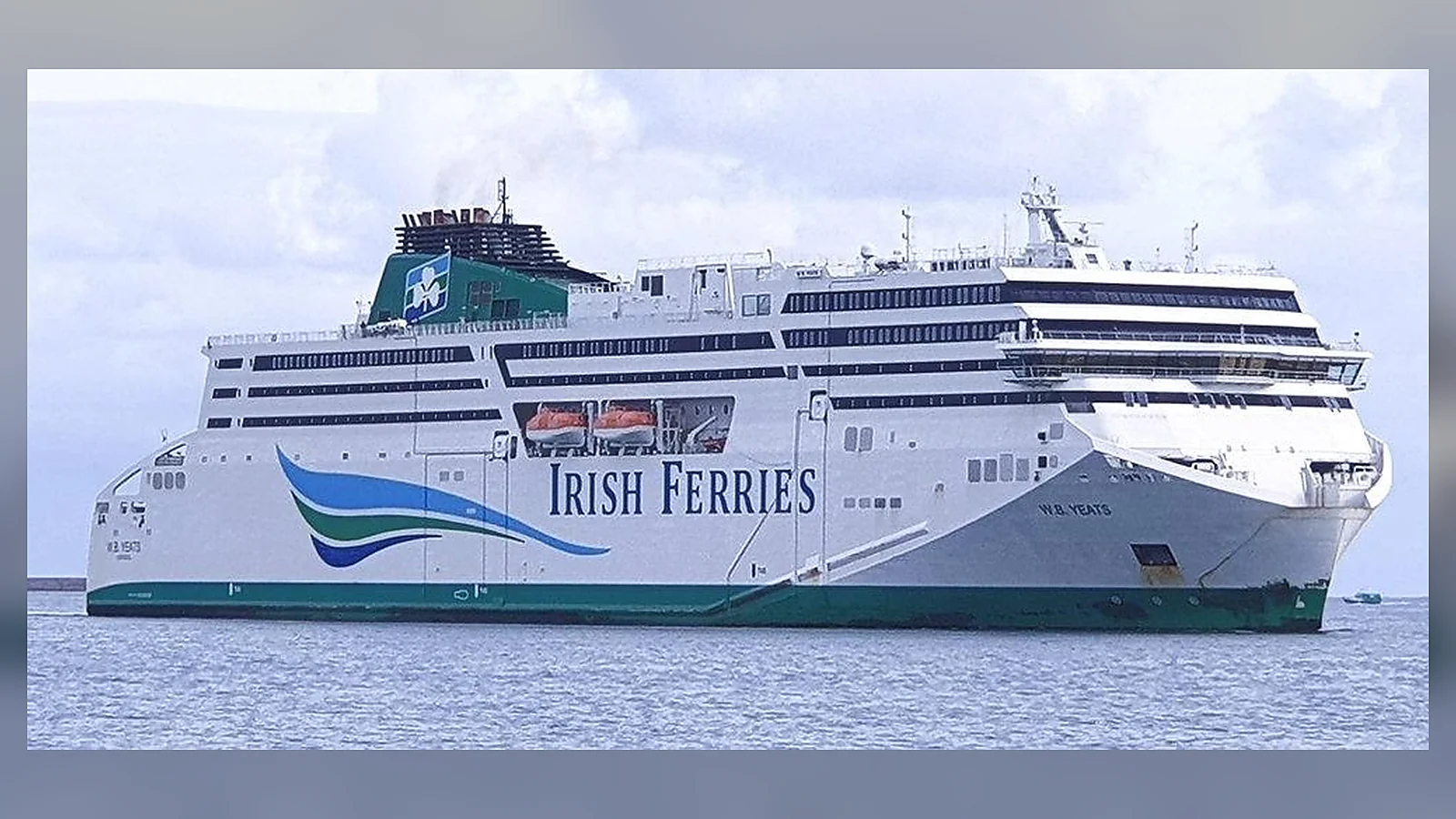
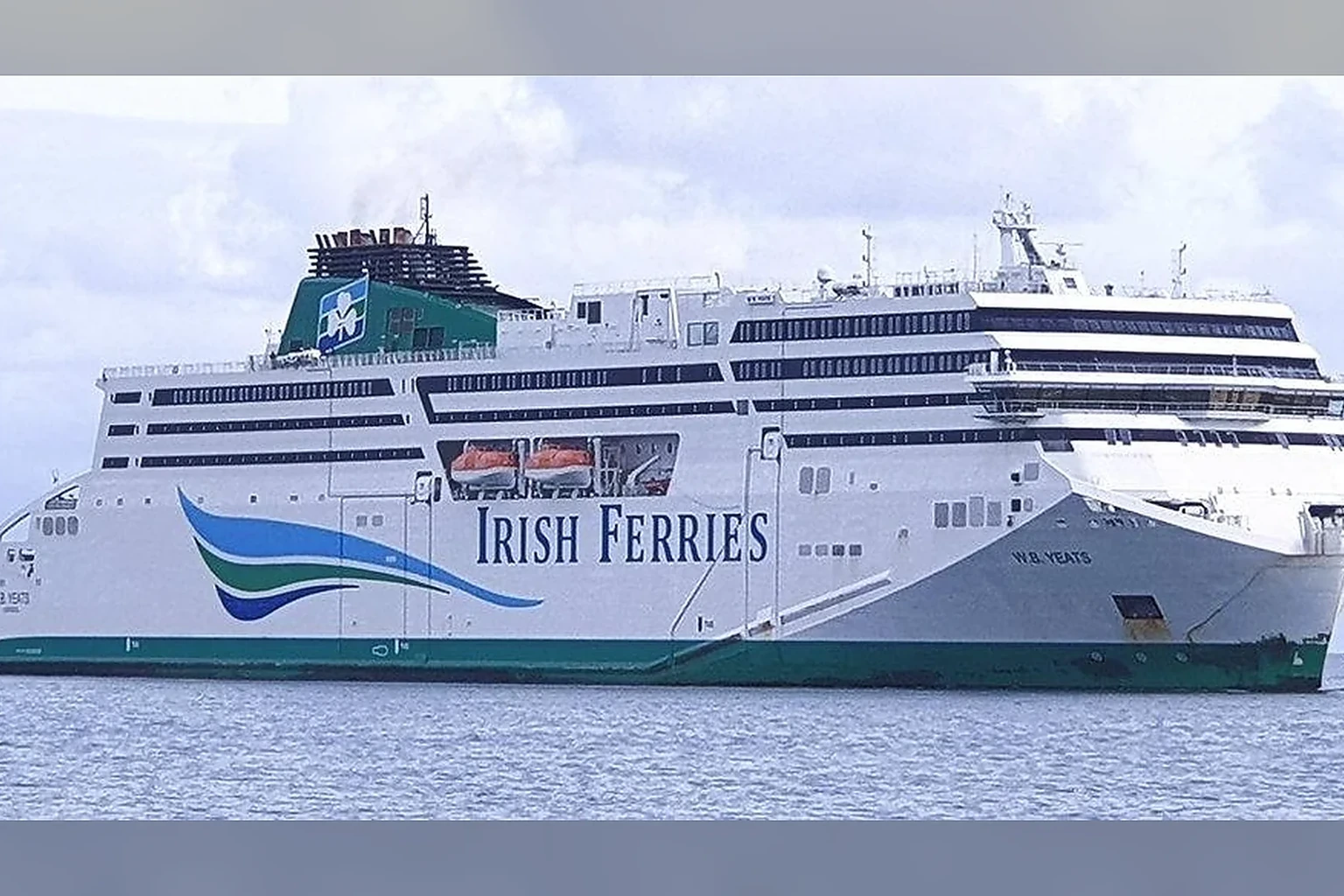
Irish Ferries serves France in two very different ways: overnight Dublin–Cherbourg with W.B. Yeats
and Isle of Inisheer, and the short, frequent Dover–Calais vehicle route with Oscar Wilde and Isle
of Inishmore.
Dublin–Cherbourg is an overnight cabin-focused crossing
Dover–Calais is a high-frequency vehicle-focused service
Check the exact vessel because facilities differ substantially
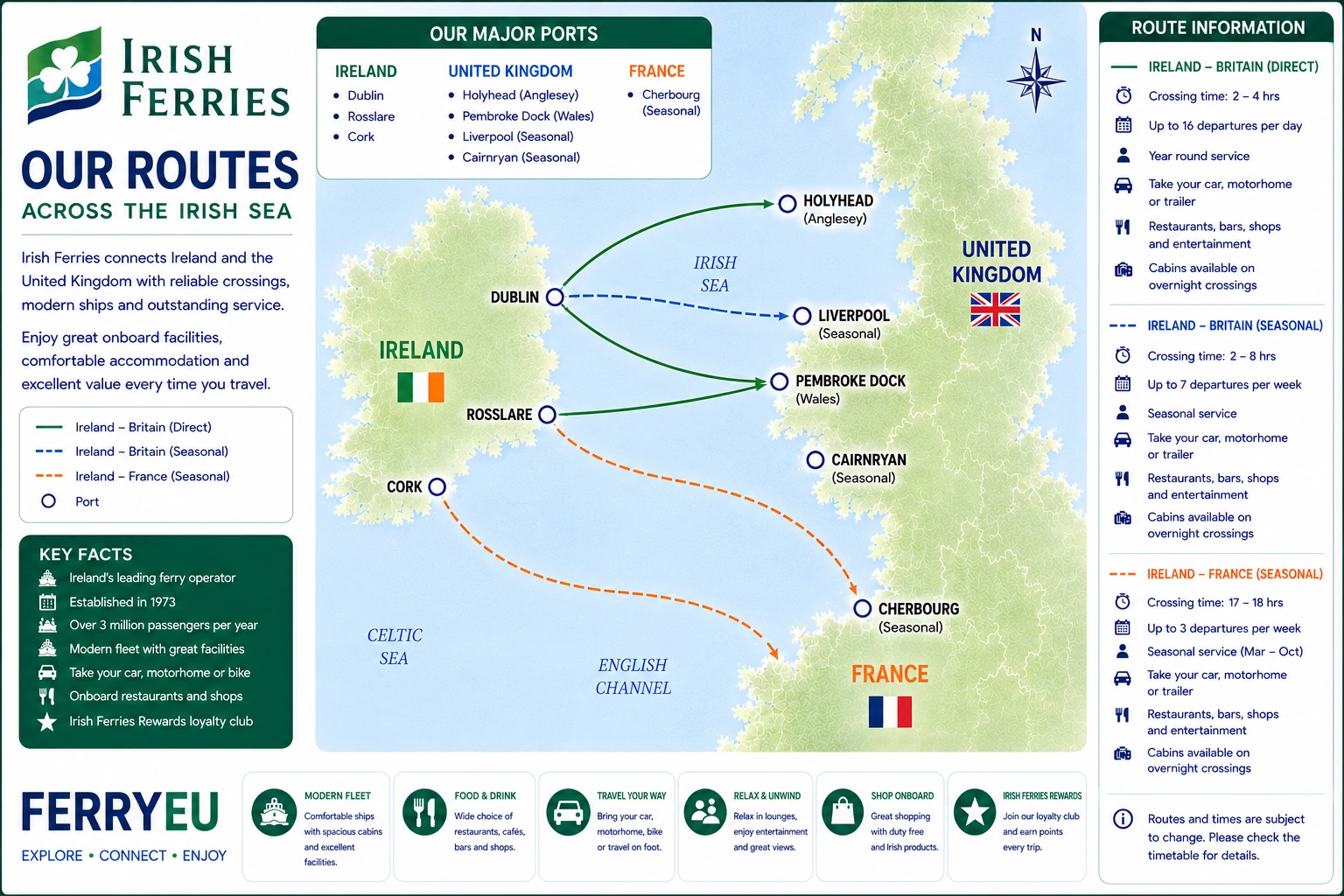
This schematic summarises the three representative current route groups described above. It is not a
complete network map or timetable; the live operator booking result is definitive.
For planning with Irish Ferries, use the map to compare the representative route groups above,
including Dublin–Holyhead, Rosslare–Pembroke, Dublin / Dover–Cherbourg / Calais. It is most useful
for judging which departure or arrival point best fits the rest of the journey rather than as a
substitute for the live timetable.
After choosing the most practical route, compare the live Irish Ferries sailing for departure time,
calling pattern, passenger requirements and the facilities or accommodation shown for that service.
The complete itinerary and arrival location can matter more than a small difference in the headline
fare.
Use the current sailing result for the definitive ship, departure time and route-specific check-in deadline.
Illustrative Irish Ferries route map. Routes and operating patterns can change; check the live timetable for your date.
Ports and places
Gateways on the Irish Sea, Channel and France route
The network combines city access, motorway-linked ferry ports and an overnight continental gateway.
Port access and check-in rules vary by route, so plan the terminal as carefully as the sailing.
Main Irish gateway
Dublin
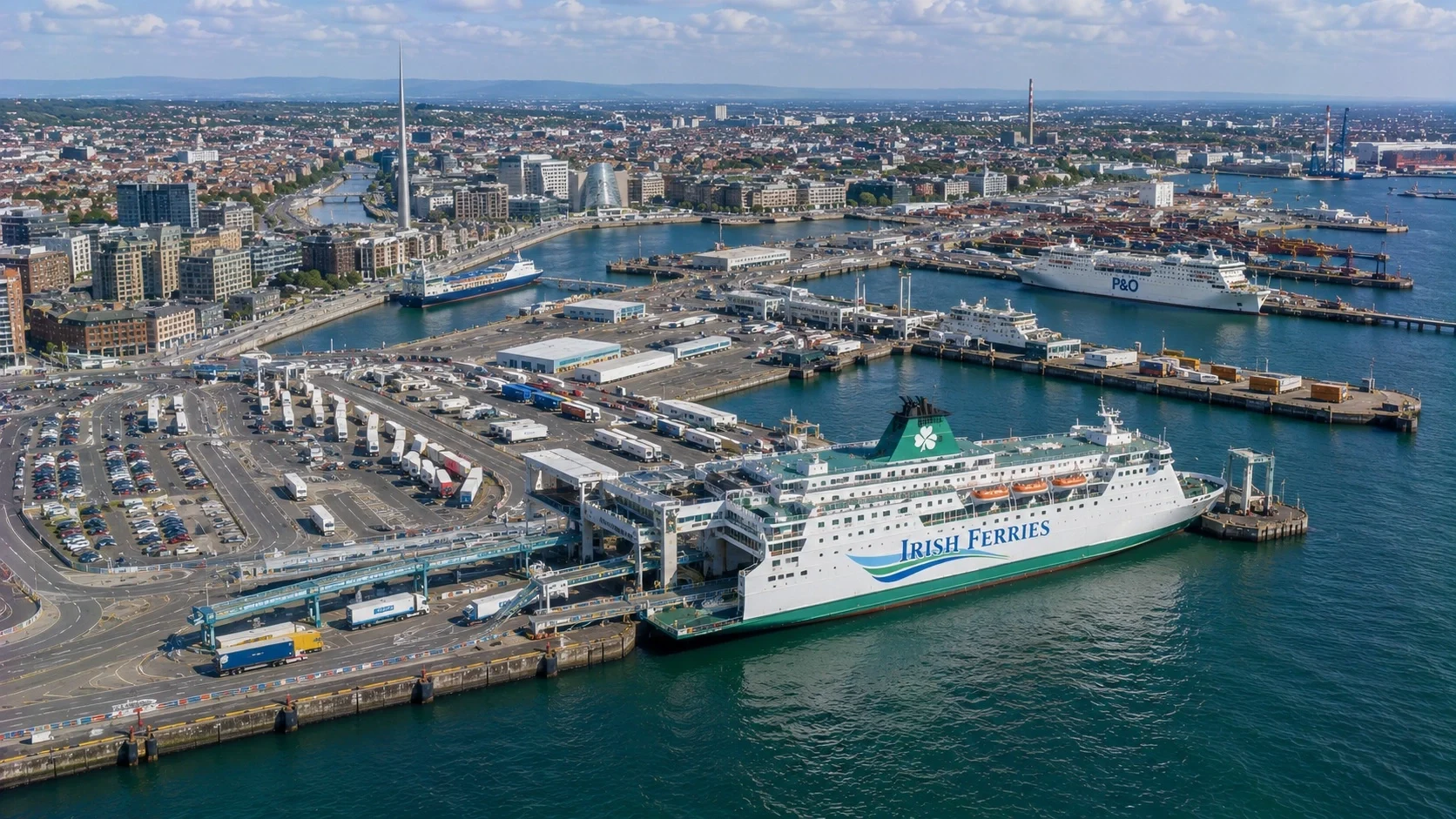
Dublin is the departure point for Holyhead and Cherbourg. The port connects directly with Ireland’s
motorway network and sits close to the city centre, but road works and terminal access instructions
should be checked before travel.
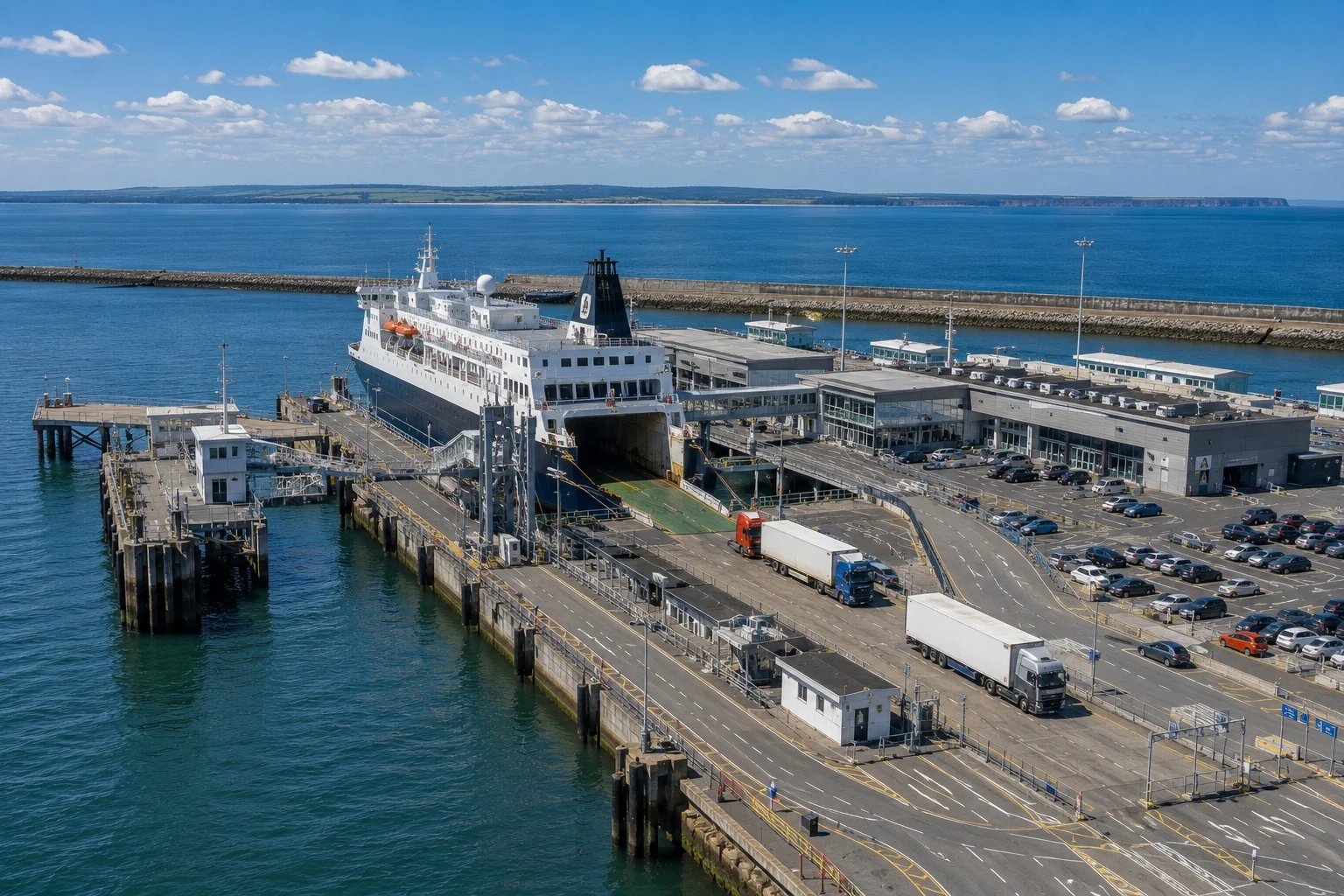
Rosslare is the Irish terminal for the Pembroke route and is well positioned for the south-east,
south and south-west of Ireland through the N25 and N11 road corridors.
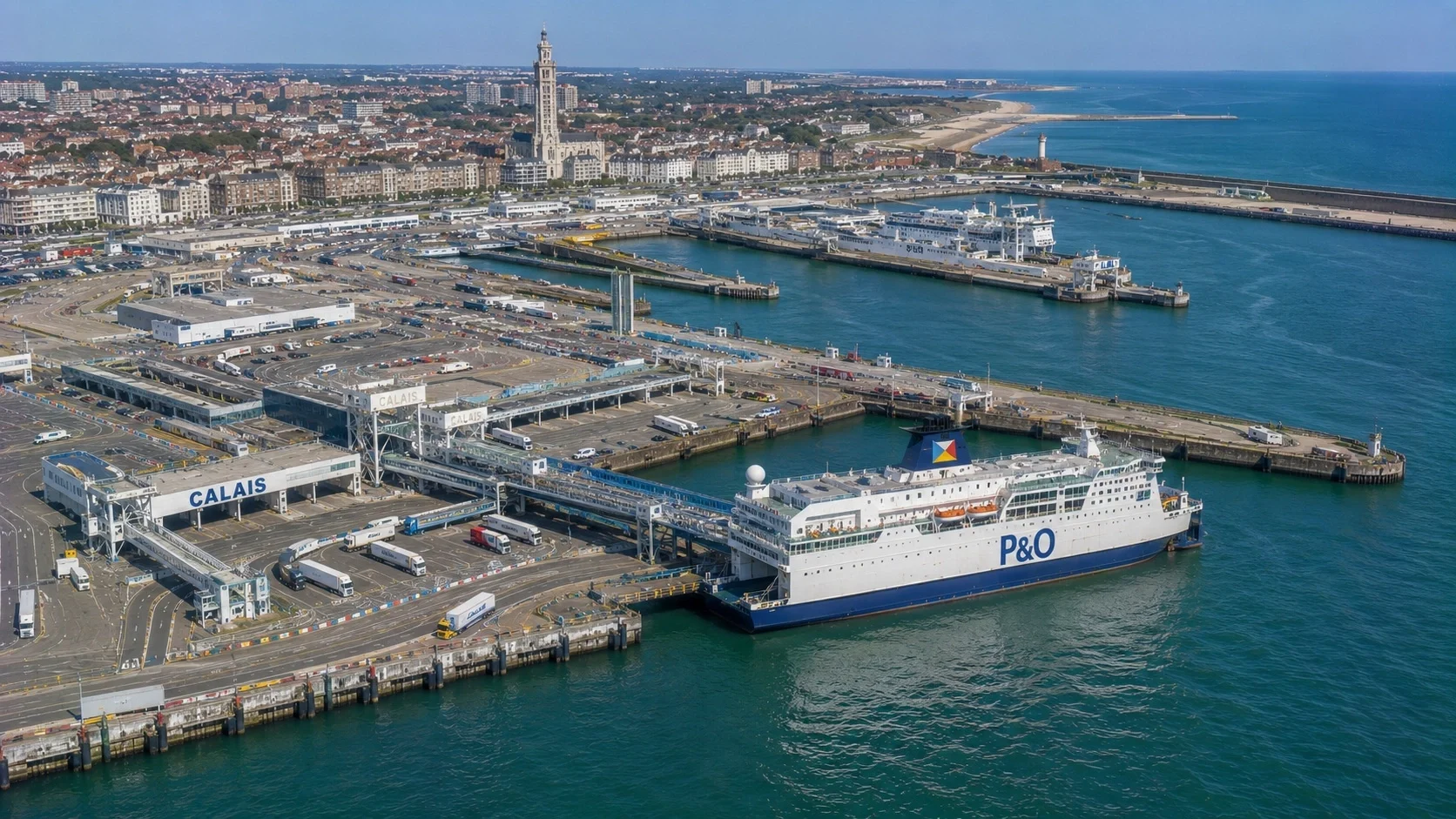
Calais is the French terminal for the Dover route. Border control is processed after Irish Ferries
check-in, so motorists should allow time for both stages rather than treating the check-in deadline
as the end of formalities.
Follow current Dublin Port traffic instructions on the day of travel. Temporary road arrangements
can change access to the ferry terminals, so do not rely on an old saved route through the port
estate.
Sit, upgrade or sleep
Cabins and passenger accommodation
Accommodation varies sharply by route and ship. The short Dover–Calais crossing is mainly about
lounges and seating, while Dublin–Cherbourg is an overnight journey where cabin choice becomes a
major part of the trip.
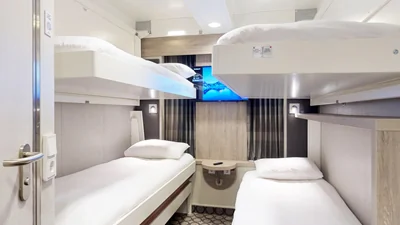
Private en-suite cabins are especially useful on the overnight Ireland–France service. Higher cabin categories and suites are available on selected Irish Ferries cruise ferries.
Standard lounges and public seating
Passenger lounges, cafés and public seating are available according to ship and route. For many
short daytime journeys, this is the normal accommodation choice.
Best considered forShort crossings where a private room is unnecessary
Club Class
Selected ships offer an upgraded Club Class lounge with reserved space, complimentary refreshments
and other benefits such as priority motorist boarding where available.
Best considered forTravellers wanting a quieter premium lounge experience
Irish Sea cabins
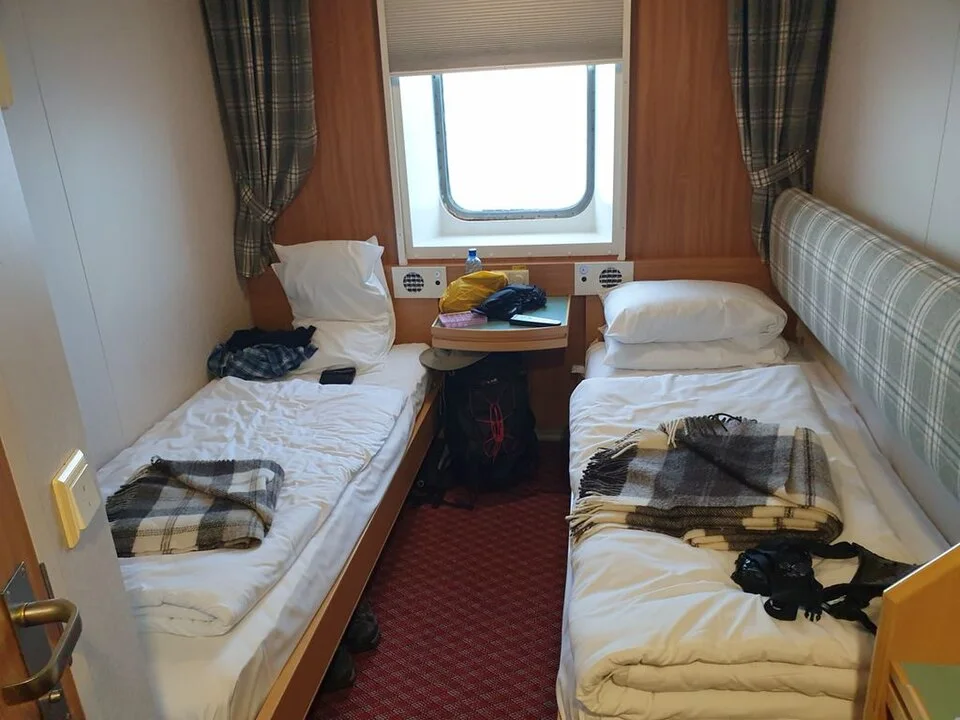
Cruise ferries such as Ulysses and Isle of Innisfree offer en-suite cabin categories for passengers
who want privacy or rest even on a shorter crossing.
Best considered forOvernight, early-morning or rest-focused Irish Sea sailings
Ireland–France cabins and suites
W.B. Yeats provides a broad choice of en-suite cabins and higher-category suites for the overnight
Dublin–Cherbourg service; Isle of Inisheer offers a simpler cabin product.
Best considered forArriving in France rested after the overnight crossing
Pet-friendly accommodation
Pet options depend on vessel and route and can include a Pet Den, pet-friendly cabin, kennel or
travel in the vehicle. Pets must be added before check-in.
Best considered forTravellers who need to pre-book an approved pet option
Accessible cabins and seating
Several cruise ferries provide adapted cabins, lifts, accessible toilets and dedicated seating.
Irish Ferries asks passengers requiring special assistance to contact the company at least two
working days before travel.
Best considered forPassengers requiring an adapted cabin or advance assistance
Accommodation booking tip
Compare the ship as well as the route. Cabin, Club Class and pet-accommodation availability can
change when Irish Ferries changes the vessel assigned to a sailing.
During the crossing
Food, lounges, shopping and family facilities
Irish Ferries facilities are highly vessel-specific. Larger cruise ferries offer a wider range of
dining, cabins and Club Class facilities than the fast craft or the short Dover–Calais ships.
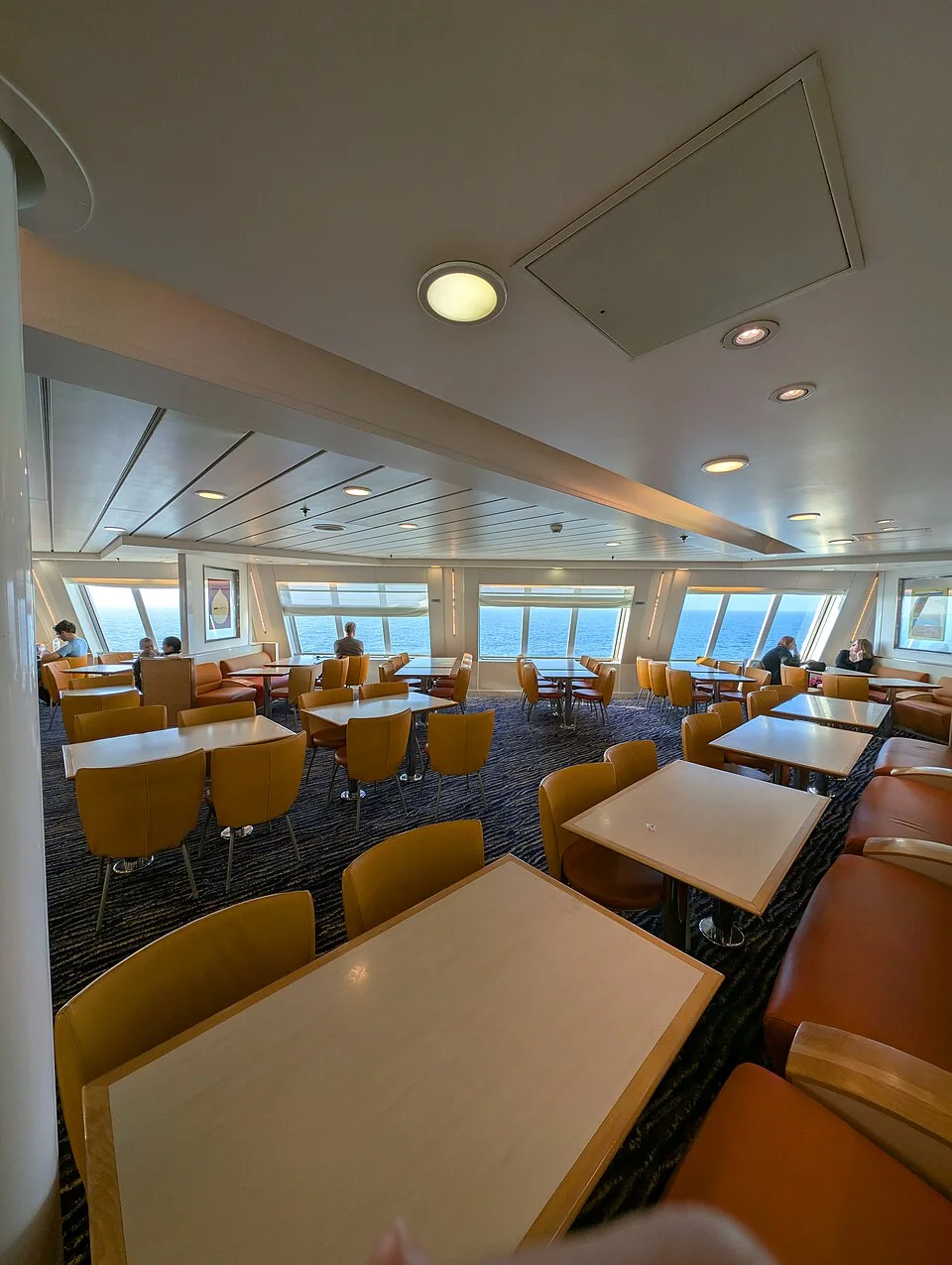
Cruise ferries provide a mix of self-service dining, cafés, bars and ship-specific restaurants. Club Class and general lounges provide quieter options away from the main passenger areas. Family facilities are listed on several of the larger ships. Outdoor decks and Pet Den walkways are ship-specific and weather-dependent.
Restaurants and cafés
Larger cruise ferries provide self-service dining, cafés, bars and other outlets; the exact choice
and seasonal opening pattern depends on the assigned ship.
Club Class
Selected ships offer a premium Club Class lounge with a quieter setting, refreshments and additional
benefits such as priority motorist boarding where available.
Free Wi-Fi
Irish Ferries advertises free Wi-Fi on its principal passenger ships, subject to onboard terms and
the limitations of a maritime connection.
Duty Free shopping
Duty Free retail is a prominent feature on the Irish Sea and Channel fleet, with allowances
depending on the route and destination.
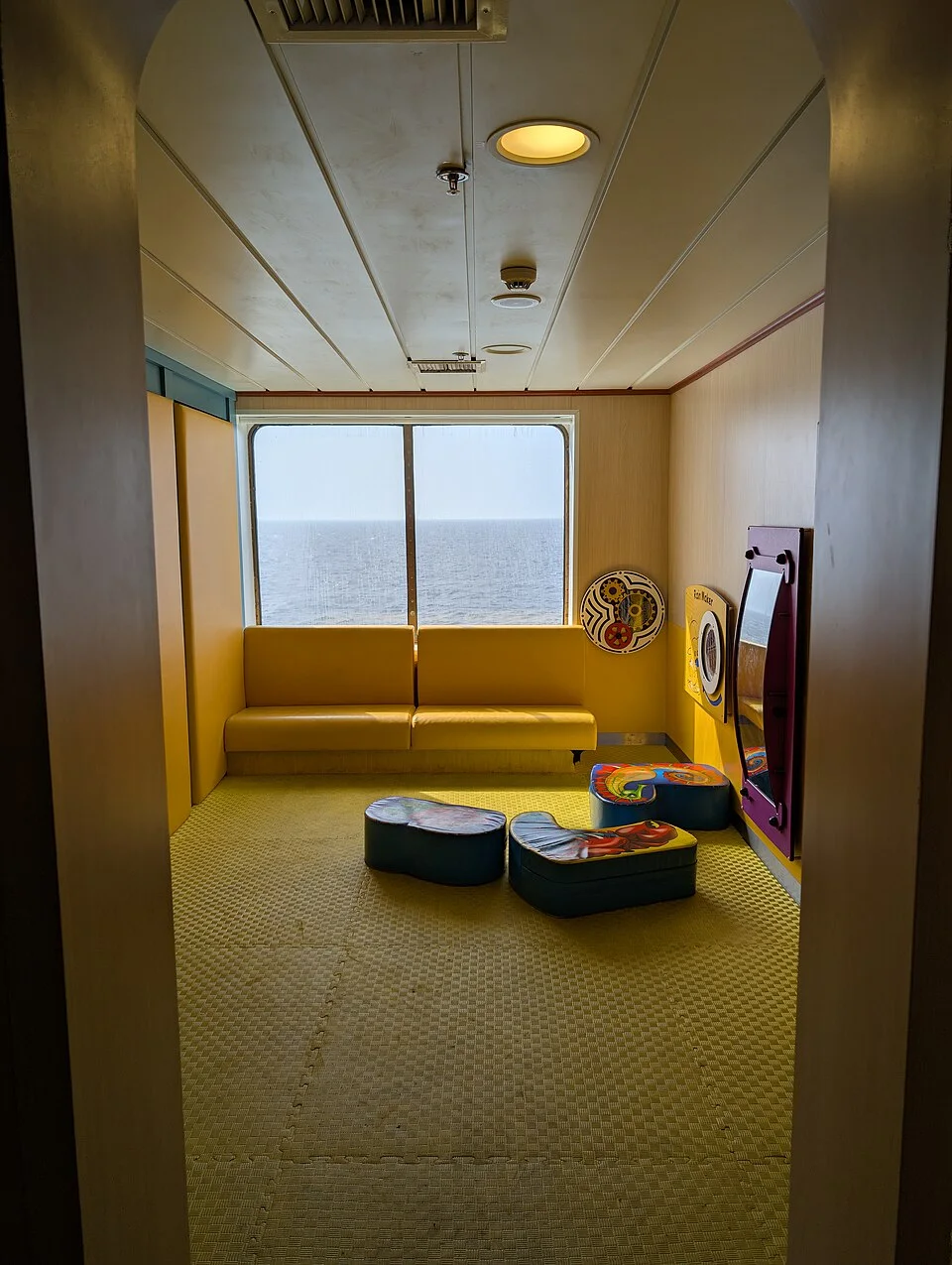
Family facilities
Ships such as Ulysses, James Joyce and Isle of Innisfree provide dedicated family or children’s
areas alongside general passenger lounges.
Safety and medical support
Irish Ferries publishes onboard safety guidance and carries medical supplies; passengers with
medical or mobility needs should notify the company before travel.
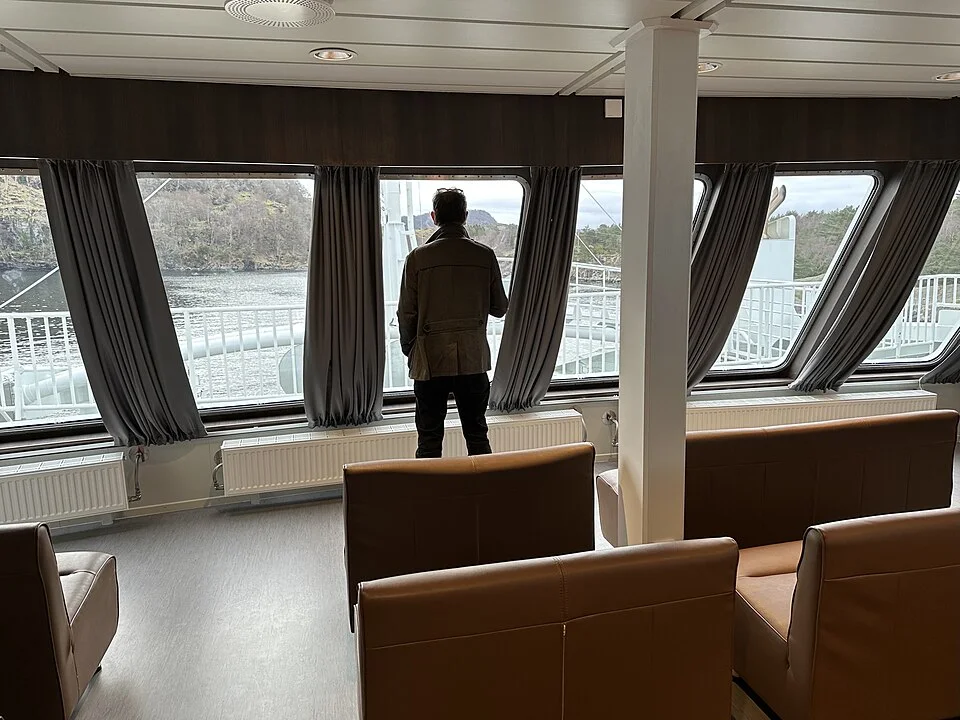
Images in this section are from EUFerry’s general ferry-travel library and illustrate facility
types; they are not presented as photographs of a particular Irish Ferries vessel. Confirm
facilities on the ship assigned to your sailing.
Bring the car, bike or pet
Vehicles, pets and accessibility
Irish Ferries is strongly geared to vehicle travel, but the booked dimensions must be accurate. Pet
arrangements must be pre-booked, and passengers needing special assistance should contact Irish
Ferries in advance.
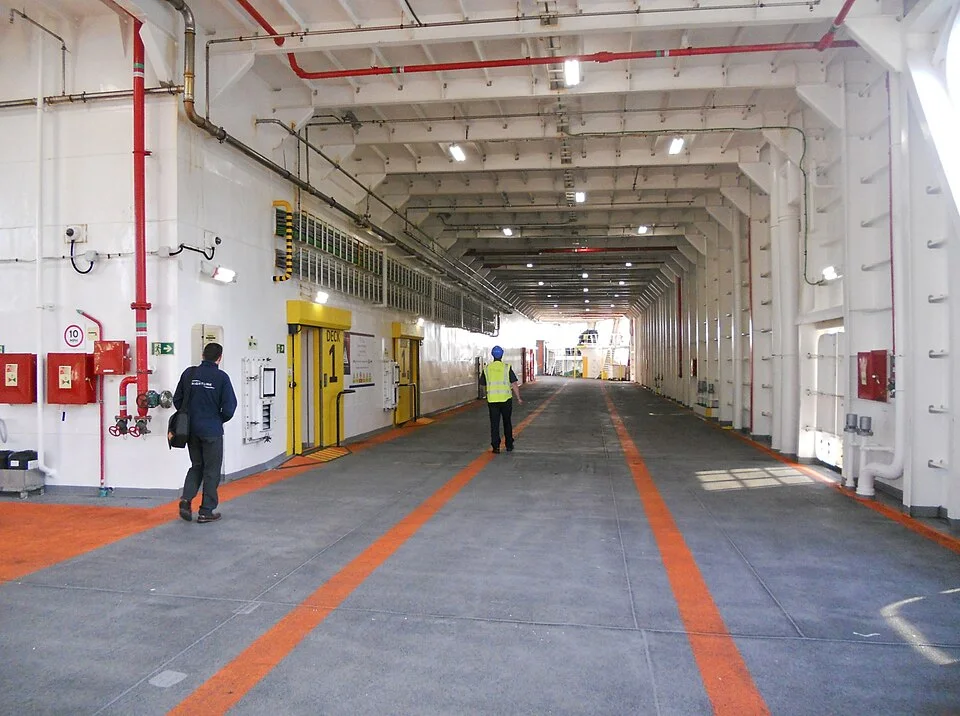
Cars, motorhomes, vans and trailers must be booked in the correct size category, including roof and rear loads. Motorcycles and bicycles are accepted on relevant routes, with route-specific check-in deadlines. Pet Dens, pet-friendly cabins, kennels and in-vehicle travel are available according to route and vessel.
Cars, motorhomes and private vans
Irish Ferries accepts a wide range of non-commercial vehicles. The booking flow separates vehicles
by height and length so the correct deck space and fare can be reserved.
Measure the vehicle with roof boxes and rear loads fitted
Private vans are accepted within stated motorist size limits
Commercial goods vehicles must use the freight service
Motorcycles, bicycles and trailers
Motorcycles and bicycles are accepted on relevant routes, while caravans and trailers must be
included accurately in the vehicle booking. Check-in deadlines differ by route and vehicle type.
France–Ireland motorcycles have an earlier deadline than standard cars
Foot and cycle passengers use the published passenger deadline for their route
Trailer and caravan dimensions affect space and fare
Travelling with pets
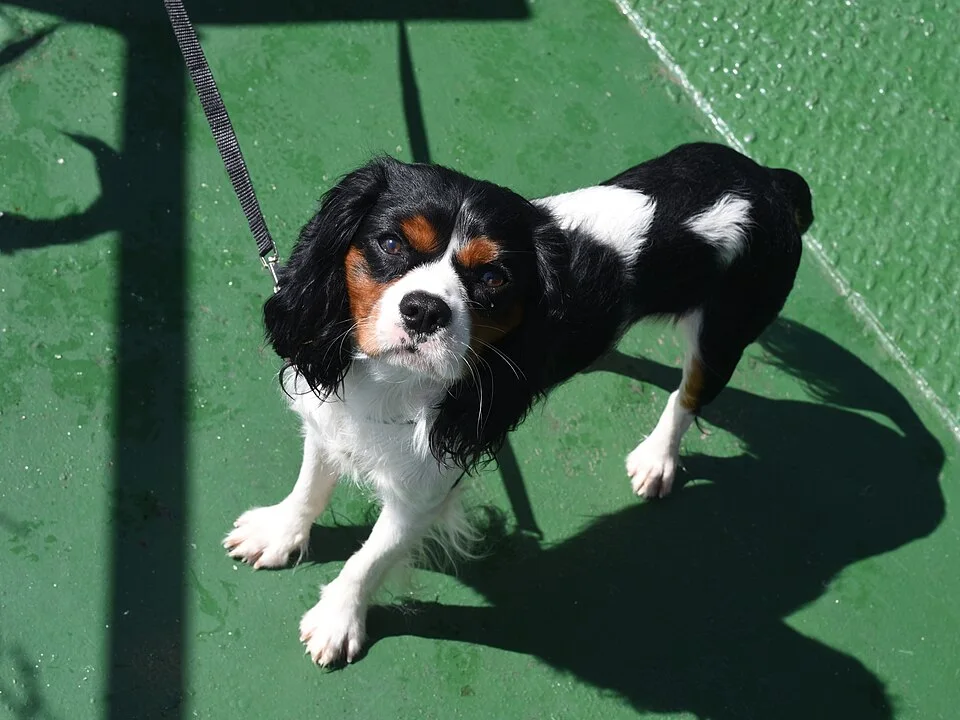
Pets must be pre-booked. Depending on route and ship, travel options include Pet Dens, pet-friendly
cabins, onboard kennels or remaining in the vehicle.
Pet Den options are offered on several Irish Sea and Dover–Calais ships
Pet-friendly cabins are available on selected vessels including Isle of Inisheer
Owners remain responsible for all legal pet-entry documentation
Reduced mobility and assistance
Irish Ferries provides ship- and port-specific accessibility information. Passengers who require
special assistance should contact the company at least two working days before travel.
Declare wheelchair use in the booking because safety limits apply
Adapted cabins and accessible toilets are available on selected cruise ferries
Ask for vehicle placement near a lift when this is required
Before you reach check-in
Check-in, documents, luggage and boarding
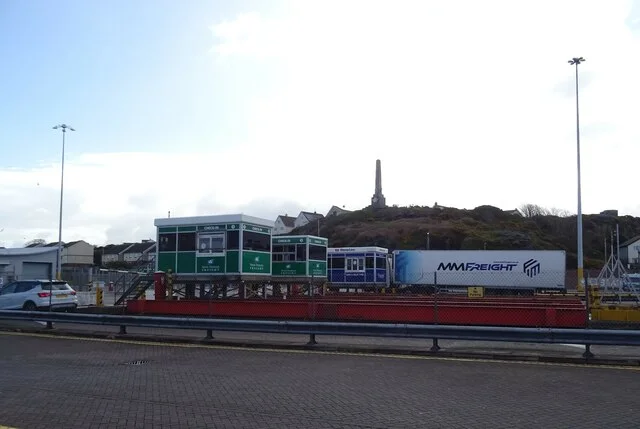
Irish Ferries publishes route-specific check-in deadlines. Be through the check-in point before the
stated time; do not treat arrival at the port entrance as check-in.
Keep your booking reference and required identity documents ready before joining the check-in lane. Check-in deadlines differ by route and passenger or vehicle type, so use the rule for the exact journey you booked.
Recommended travel sequence
When booking
Enter passenger, vehicle, wheelchair and pet details accurately
Measure the complete vehicle, pre-book any pet, and declare wheelchair use so the sailing can be
prepared correctly.
GB–Ireland
Standard vehicles: 30 minutes; foot/cycle: 40 minutes
For Dublin–Holyhead and Rosslare–Pembroke, the current latest check-in is 30 minutes for standard
private vehicles, 40 minutes for foot passengers and cyclists, and one hour for coaches. Passengers
travelling with pets must also check in one hour before departure.
Ireland–France
Allow longer for the overnight France route
The latest check-in is two hours for coaches, 90 minutes for motorcycles and one hour for other
vehicles, foot passengers and cyclists. Passengers travelling with a guide dog or domestic animal
must check in two hours before departure.
Dover–Calais
Standard vehicles: one hour
For Great Britain–France, Irish Ferries currently requires two hours for coaches, one hour for
motorcycles and standard vehicles, and 90 minutes for passengers travelling with pets. In Calais,
border control takes place after check-in.
At boarding
Follow loading instructions and keep essentials with you
Once parked, take passports, medicines, valuables and anything needed during the crossing because
access to the vehicle deck is restricted at sea.
Choose the right route and ship
How to compare an Irish Ferries journey
Start with the route because Irish Ferries serves four very different journey types: a fast or
cruise-ferry Irish Sea crossing, a southern Irish Sea crossing, an overnight Ireland–France voyage
and a short high-frequency Channel service.
Then compare the ship. Ulysses and W.B. Yeats offer a broader cruise-ferry experience; Dublin Swift
prioritises speed; Isle of Inisheer is a simpler France-route option; and the Dover–Calais vessels
are configured around a short vehicle crossing.
Finally check the operational details that can change your trip: vehicle dimensions, cabin or Club
Class availability, pet accommodation, accessibility needs and the route-specific check-in deadline.
Common planning questions
Irish Ferries FAQs
Which routes does Irish Ferries currently operate?
The current passenger network is Dublin–Holyhead, Rosslare–Pembroke, Dublin–Cherbourg and Dover–Calais.
How many ferries does Irish Ferries operate?
Irish Ferries currently states that it operates eight ferries on international routes between
Ireland, Britain and France.
How long is Dublin to Holyhead?
Irish Ferries advertises cruise-ferry sailings at about three and a half hours and Dublin Swift at
just over two hours. The current sailing result is the definitive journey time.
Which ships operate Dublin–Holyhead?
The current route page lists Ulysses, James Joyce and Dublin Swift. James Joyce is shown returning
for the summer programme, so check the vessel on the selected date.
How long is Rosslare to Pembroke?
Irish Ferries describes the crossing as just over four hours, with two crossings daily and Isle of
Innisfree currently assigned to the route.
Which ships sail Dublin–Cherbourg?
The current Dublin–Cherbourg route page lists W.B. Yeats and Isle of Inisheer. W.B. Yeats offers the
broader premium cruise-ferry product, while Isle of Inisheer is a simpler economy service.
Which ships sail Dover–Calais?
Oscar Wilde and Isle of Inishmore are the current Dover–Calais ships. Irish Ferries describes the
route programme as operating up to 20 sailings per day.
How early should I check in?
For Great Britain–Ireland, standard cars and other private vehicles must be through check-in 30
minutes before departure, foot passengers and cyclists 40 minutes, coaches one hour and passengers
travelling with pets one hour. Ireland–France requires one hour for standard vehicles and foot/cycle
passengers, 90 minutes for motorcycles, two hours for coaches and two hours for passengers with
pets. Dover–Calais requires one hour for standard vehicles and motorcycles, two hours for coaches
and 90 minutes for passengers with pets.
Can I take my dog or other pet?
Yes, but pets must be pre-booked. Depending on route and ship, options include Pet Dens,
pet-friendly cabins, kennels and travel in the vehicle. Owners are responsible for all required
pet-travel documentation.
What if I need wheelchair or special assistance?
Irish Ferries asks passengers requiring special assistance to contact the company at least two
working days, described as 48 working hours, before travel. Wheelchair use should also be declared
in the booking because safety limits apply.
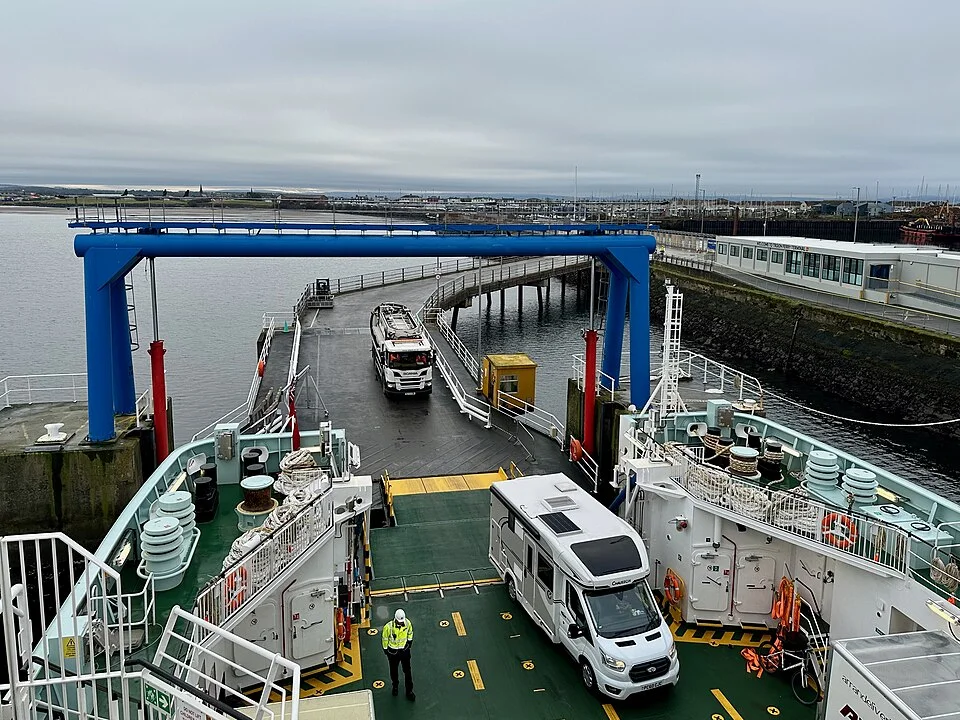
Facility photographs are examples; the vessels shown are identified below. Facilities vary by ship.
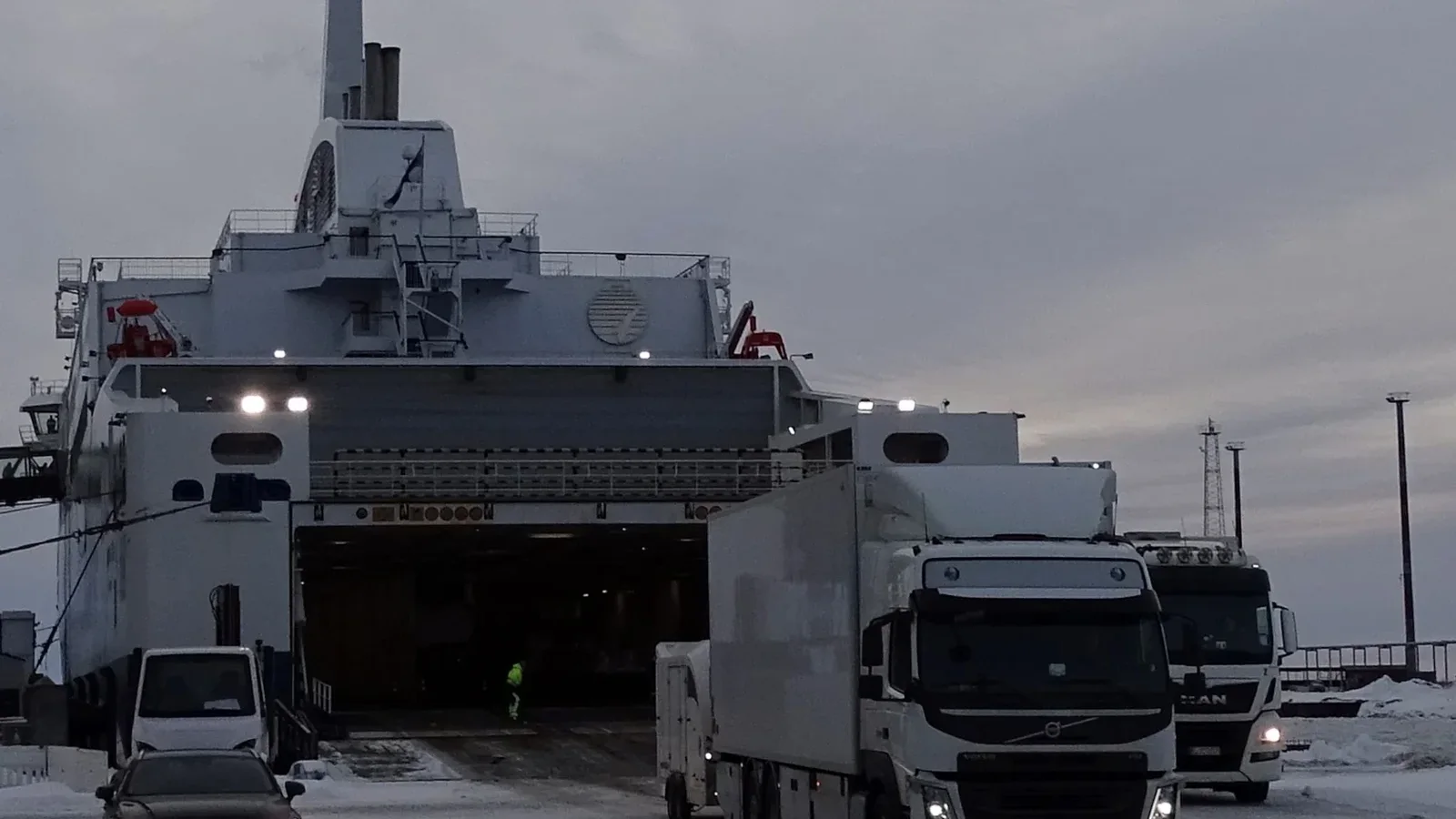
250120 1029 MV Glen Sannox loading, Port of Troon ferry terminal.jpg — Dave souza; CC BY-SA 4.0. Source: https://commons.wikimedia.org/wiki/File:250120_1029_MV_Glen_Sannox_loading,_Port_of_Troon_ferry_terminal.jpg. Licence: https://creativecommons.org/licenses/by-sa/4.0. Resized for display.
Cabin on MV Hrossey - geograph.org.uk - 7254252.jpg — Oliver Dixon; CC BY-SA 2.0. Source: https://commons.wikimedia.org/wiki/File:Cabin_on_MV_Hrossey_-_geograph.org.uk_-_7254252.jpg. Licence: https://creativecommons.org/licenses/by-sa/2.0. Resized for display.
Cavalier King Charles Spaniel (49687542022).jpg — Chris Hunkeler from Carlsbad, California, USA; CC BY-SA 2.0. Source: https://commons.wikimedia.org/wiki/File:Cavalier_King_Charles_Spaniel_(49687542022).jpg. Licence: https://creativecommons.org/licenses/by-sa/2.0. Resized for display.
Check-in, Holyhead Ferry Terminal - geograph.org.uk - 7757104.jpg — JThomas; CC BY-SA 2.0. Source: https://commons.wikimedia.org/wiki/File:Check-in,_Holyhead_Ferry_Terminal_-_geograph.org.uk_-_7757104.jpg. Licence: https://creativecommons.org/licenses/by-sa/2.0. Resized for display.
Deckchair on ferry.jpg — User:Amada44; CC BY 3.0. Source: https://commons.wikimedia.org/wiki/File:Deckchair_on_ferry.jpg. Licence: https://creativecommons.org/licenses/by/3.0. Resized for display.
Vehicle deck on the Victoria of Wight (Wightlink ferry).jpg — ITookSomePhotos; CC BY-SA 4.0. Source: https://commons.wikimedia.org/wiki/File:Vehicle_deck_on_the_Victoria_of_Wight_(Wightlink_ferry).jpg. Licence: https://creativecommons.org/licenses/by-sa/4.0. Resized for display.


 Ireland
 Irish Sea & Channel
 Britain & France