Compare Color Line Ferries services with EUFerry, from route planning and onboard considerations to
current departure availability and fares for your chosen journey.
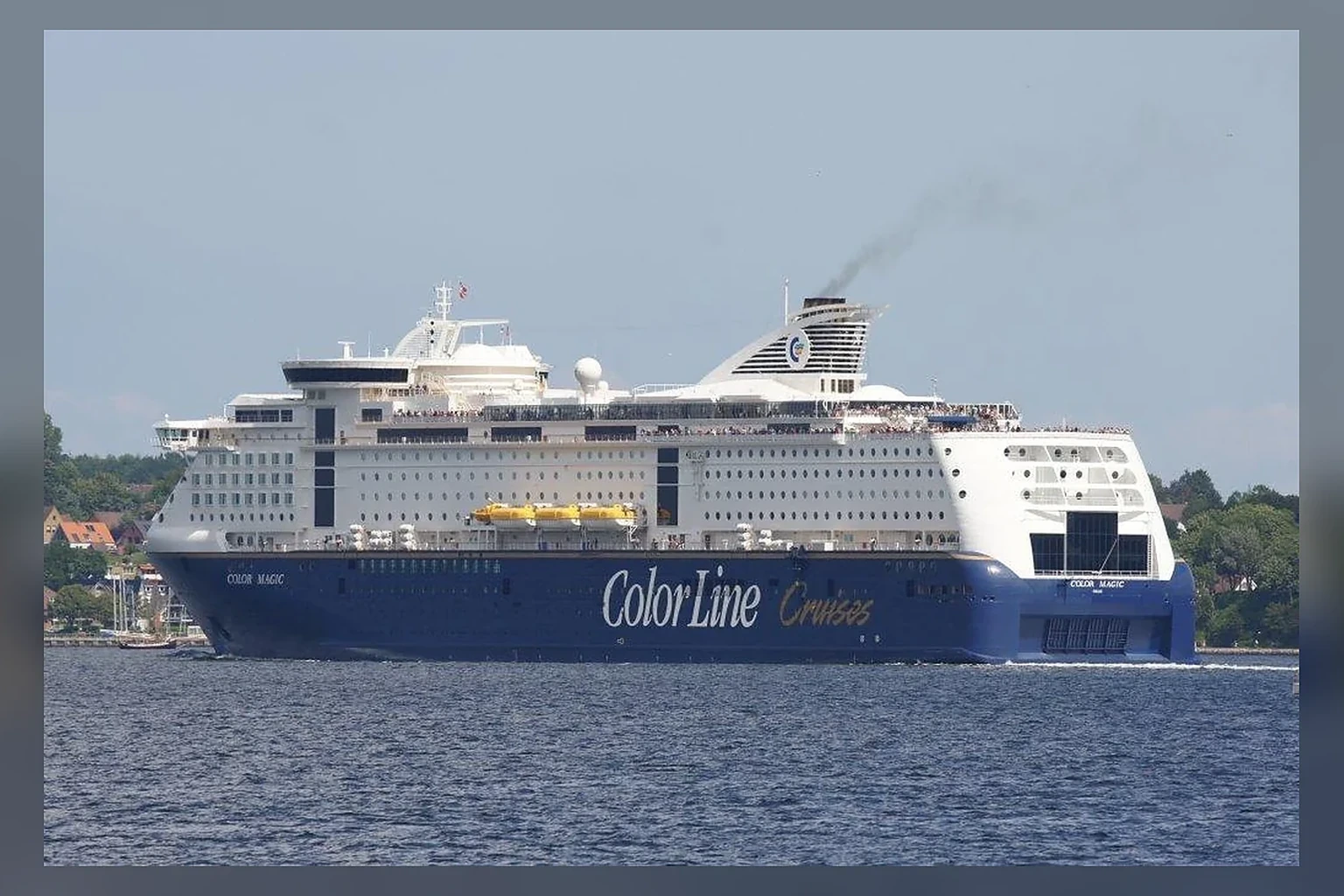
4 international routes 5-vessel fleet Cars, motorhomes & caravans
Color Line connects Norway with three neighbouring countries
Color Line operates a deliberately focused network of four international routes linking seven ports
in Norway, Denmark, Germany and Sweden. The company’s five purpose-built RoPax ships are matched
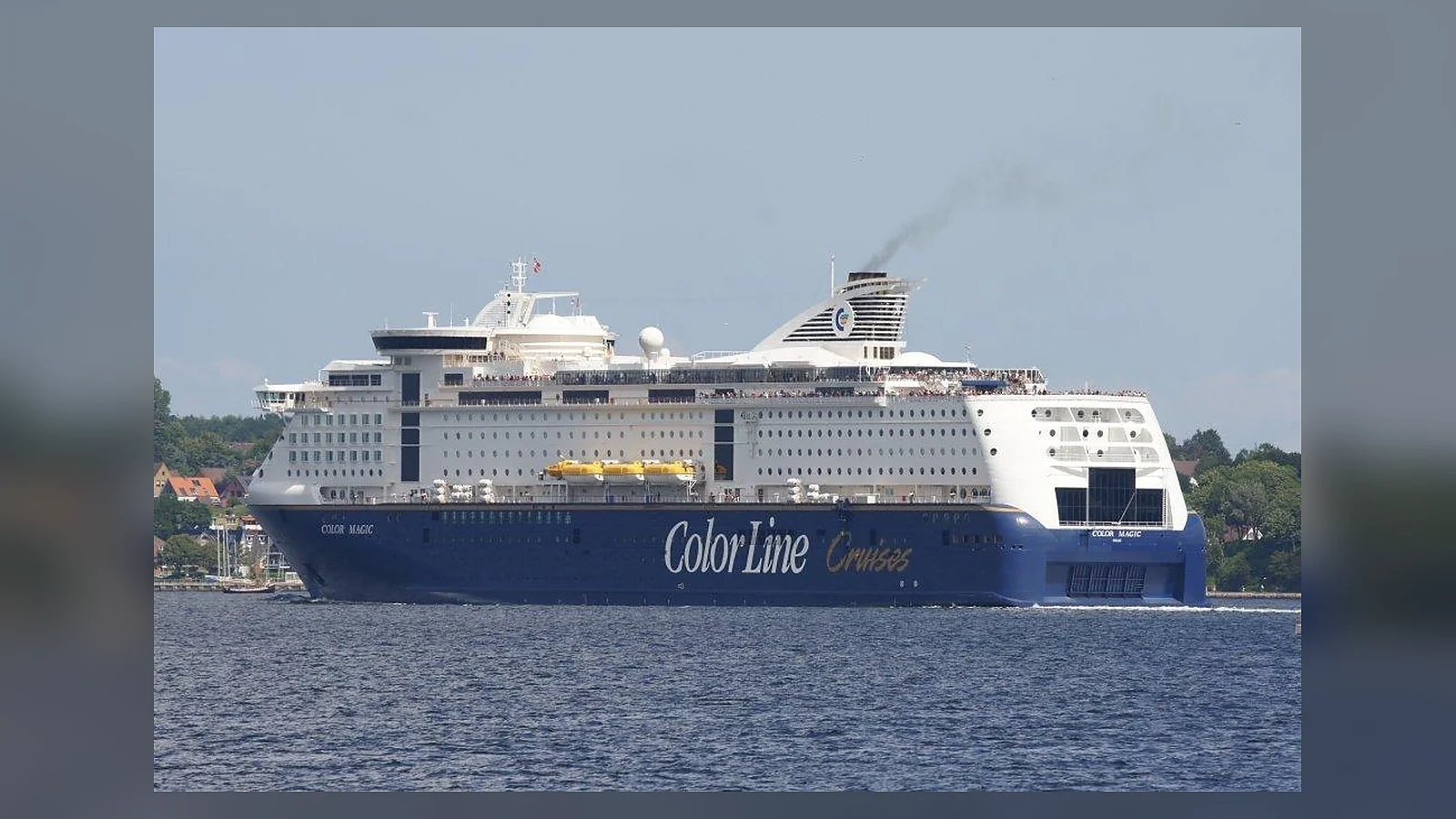
closely to the journey they perform: two large cruise ferries on the overnight Kiel–Oslo route, two
SuperSpeed vessels between Hirtshals and southern Norway, and the plug-in hybrid Color Hybrid
between Sandefjord and Strömstad.
That means a Color Line booking can feel very different depending on the route. Kiel–Oslo is a
20-hour overnight voyage where a private cabin is compulsory and the ship is part of the holiday
experience. Hirtshals–Kristiansand and Hirtshals–Larvik are efficient vehicle-oriented crossings of
around three to four hours, while Sandefjord–Strömstad is a short 2½-hour Sweden–Norway connection.
For road travellers this creates several useful gateways into Norway. Kristiansand is convenient for
southern Norway; Larvik provides access towards Oslo, Telemark and inland routes; Sandefjord works
well for Sweden-based journeys; and Oslo itself offers a direct overnight arrival from northern
Germany without the long drive through Denmark and Sweden.
The four Color Line routes differ sharply in duration and onboard style, so the best crossing is
usually determined by where you are driving from, where in Norway you want to arrive and whether you
want an overnight journey or a shorter daytime crossing.
Germany ↔ Norway≈ 20 hours
Kiel
Oslo
Daily overnight cruise-ferry departures at 14:00 from both Kiel and Oslo, arriving at 10:00 the
following morning. A cabin is compulsory, making this a hotel-at-sea alternative to driving through
Denmark and Sweden.
The quickest Color Line connection from Denmark into southern Norway. SuperSpeed 1 combines fast
crossing times with reserved seating, dining, duty-free shopping and large vehicle capacity.
Color Hybrid operates this short cross-border route between Sweden and Norway. The ship uses battery
power when manoeuvring in and out of Sandefjord and combines transport, dining and duty-free
shopping.
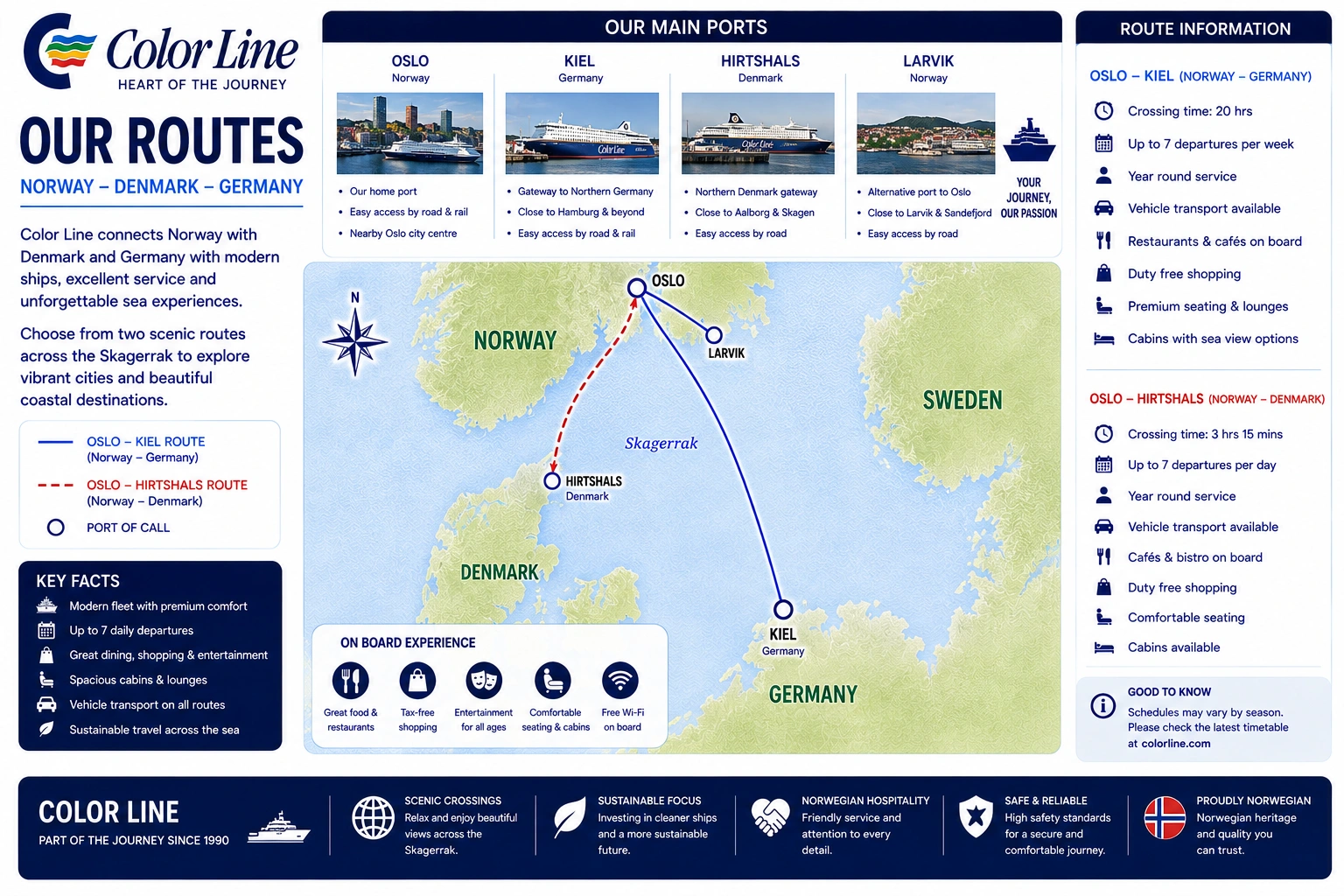
This schematic summarises the three representative current route groups described above. It is not a
complete network map or timetable; the live operator booking result is definitive.
For planning with Color Line Ferries, use the map to compare the representative route groups above,
including Kiel–Oslo, Hirtshals–Kristiansand, Strömstad–Sandefjord. It is most useful for judging
which departure or arrival point best fits the rest of the journey rather than as a substitute for
the live timetable.
After choosing the most practical route, compare the live Color Line Ferries sailing for departure
time, calling pattern, passenger requirements and the facilities or accommodation shown for that
service. The complete itinerary and arrival location can matter more than a small difference in the
headline fare.
Crossing times are typical published journey times, not guarantees. Weather, port traffic and
operational changes can affect individual sailings.
Illustrative Color Line Ferries route map. Routes and operating patterns can change; check the live timetable for your date.
Ports that shape the journey
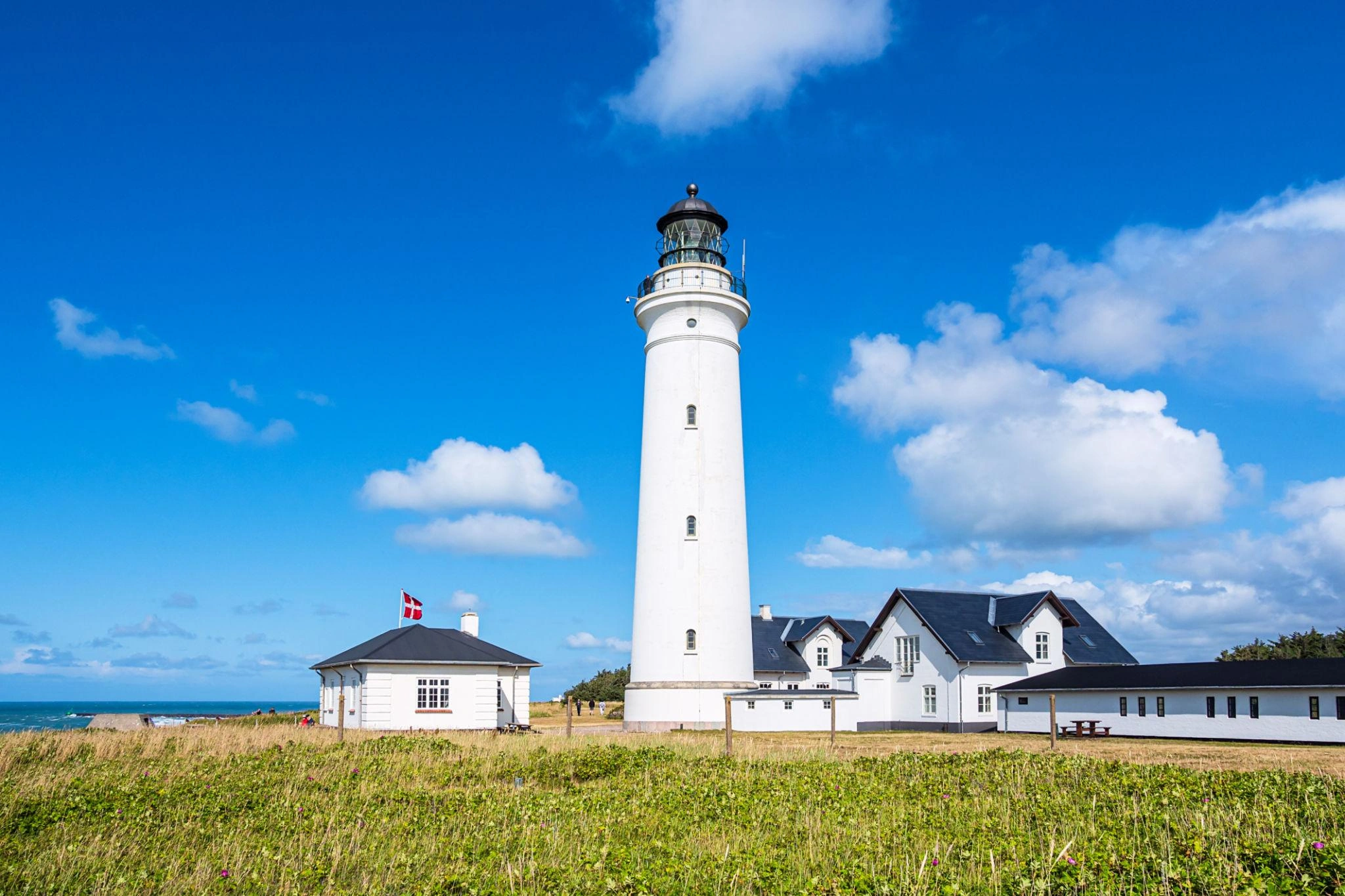
From Kiel and Hirtshals to Norway’s southern gateways
The ports on Color Line’s network are more than embarkation points: they determine how much driving
you do before and after the ferry. Choosing the right Norwegian arrival can save several hours on a
road trip.
Port gateway
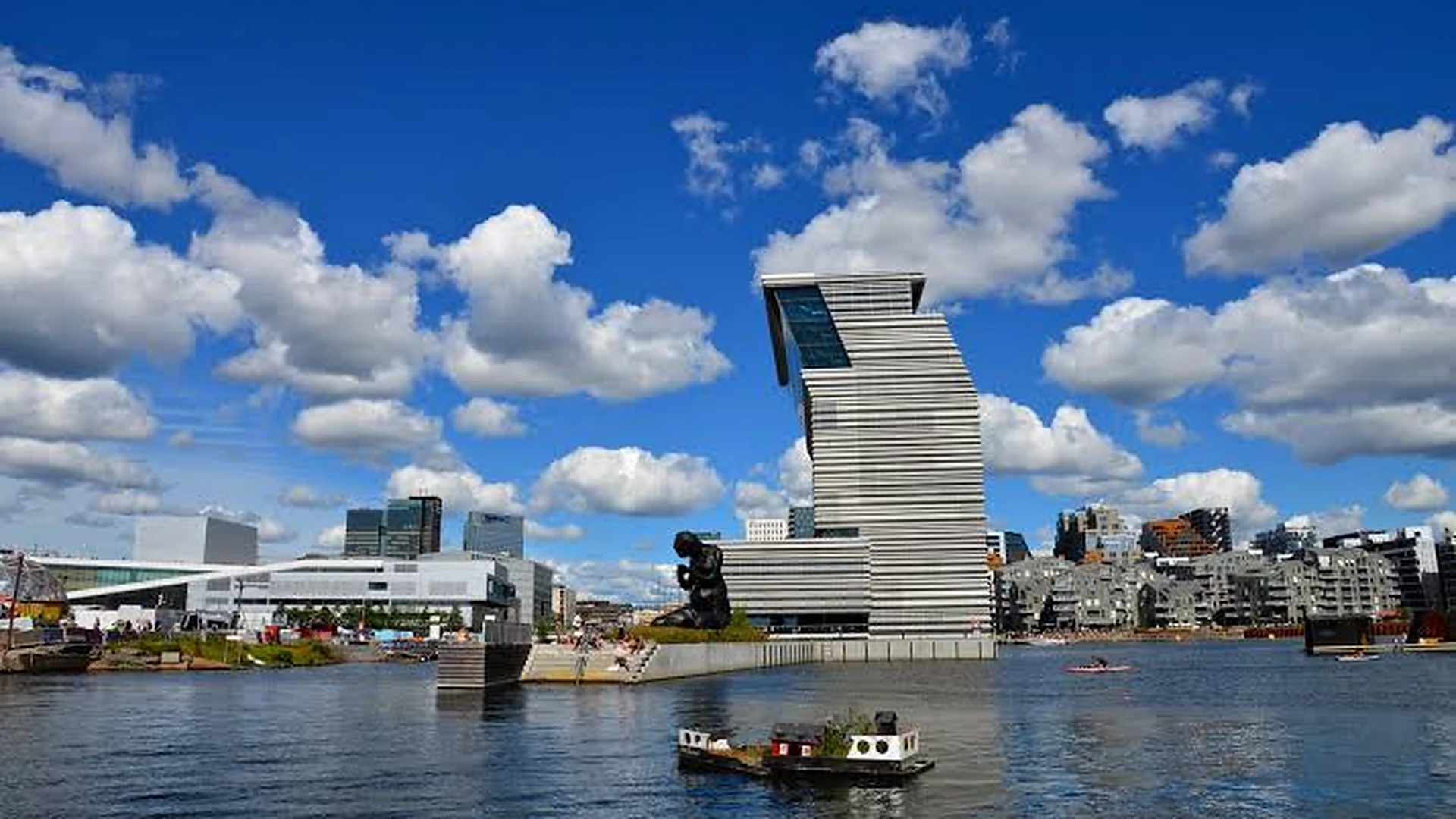
Oslo
Arrive directly in the Norwegian capital after the overnight sailing from Kiel.
Compare the complete journey rather than the sea crossing alone. Check the live timetable for your
date, confirm the exact departure and arrival ports, and allow enough time for check-in and onward
travel.
From hotel-at-sea to fast day ferry
Cabins, seating and onboard experience
Color Line’s onboard product changes dramatically by route. Kiel–Oslo is designed as an overnight
cruise-ferry experience, while SuperSpeed and Color Hybrid focus on comfortable seating, food,
shopping and efficient transport.
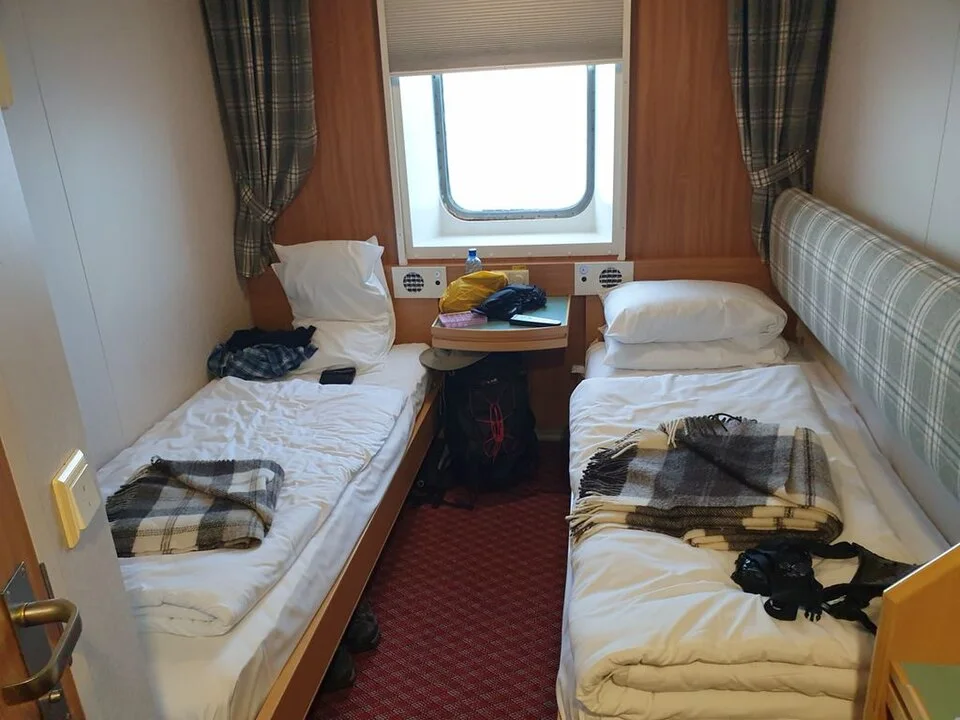
Private cabins A cabin is mandatory on Kiel–Oslo; Color Magic and Color Fantasy offer multiple cabin grades and suites. Restaurants & cafés Dining ranges from cruise-ferry restaurants and buffets to efficient meal options on the shorter routes.
Kiel–Oslo cabins
Color Line requires a cabin on the Kiel–Oslo route. Standard inside/outside cabins, Color Class
categories and suites allow travellers to turn the 20-hour crossing into an overnight break instead
of a long drive.
Best considered forOvernight travel between Germany and Norway
SuperSpeed seating
On Hirtshals–Kristiansand and Hirtshals–Larvik, pre-booked seating is recommended. Business Class
adds a quieter reserved environment and currently includes Wi-Fi access during the crossing.
Best considered forDaytime Denmark–Norway crossings
Food and entertainment
Color Magic and Color Fantasy offer restaurants, cafés, bars, spa/fitness, Aqualand, casino and
entertainment. The shorter-route ships focus on dining, shopping and comfortable transport rather
than overnight entertainment.
Best considered forTravellers treating the crossing as part of the trip
Wi-Fi
Paid Wi-Fi is available on the principal ships, with route-specific packages. Satellite connections
can be slower than land-based internet, so do not rely on uninterrupted high-speed access for
critical work.
Best considered forPassengers who want onboard connectivity
Standard seating
A comfortable reserved or public seating option is available on applicable passenger sailings. Exact
seat types depend on the vessel shown for your departure.
Best considered forDaytime journeys and budget-conscious travel
Premium seating or lounge
Selected vessels offer upgraded seating, quieter lounges or premium spaces for passengers wanting
extra comfort.
Best considered forTravellers who value more space and a quieter environment
Cabin booking tip
Search early for summer weekends and school-holiday dates. A cabin category can sell out even when
passenger and vehicle space remains available, and a last-minute upgrade should never be assumed.
During the crossing
Dining, lounges, shopping and sea views
Color Line facilities vary substantially by route and vessel. The overnight Kiel–Oslo ships provide
the broadest cruise-style experience, while SuperSpeed and Color Hybrid focus on comfortable day
travel.
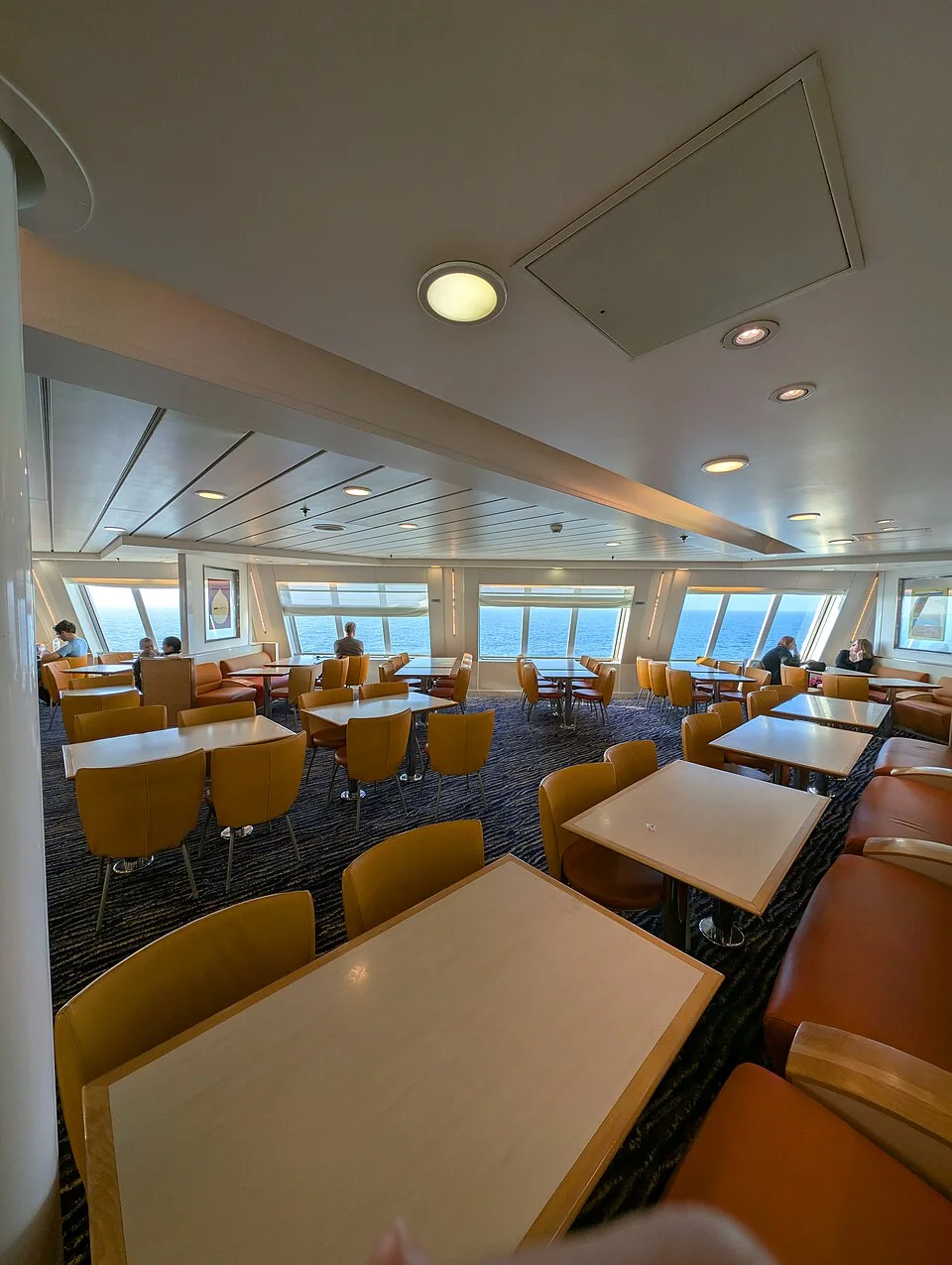
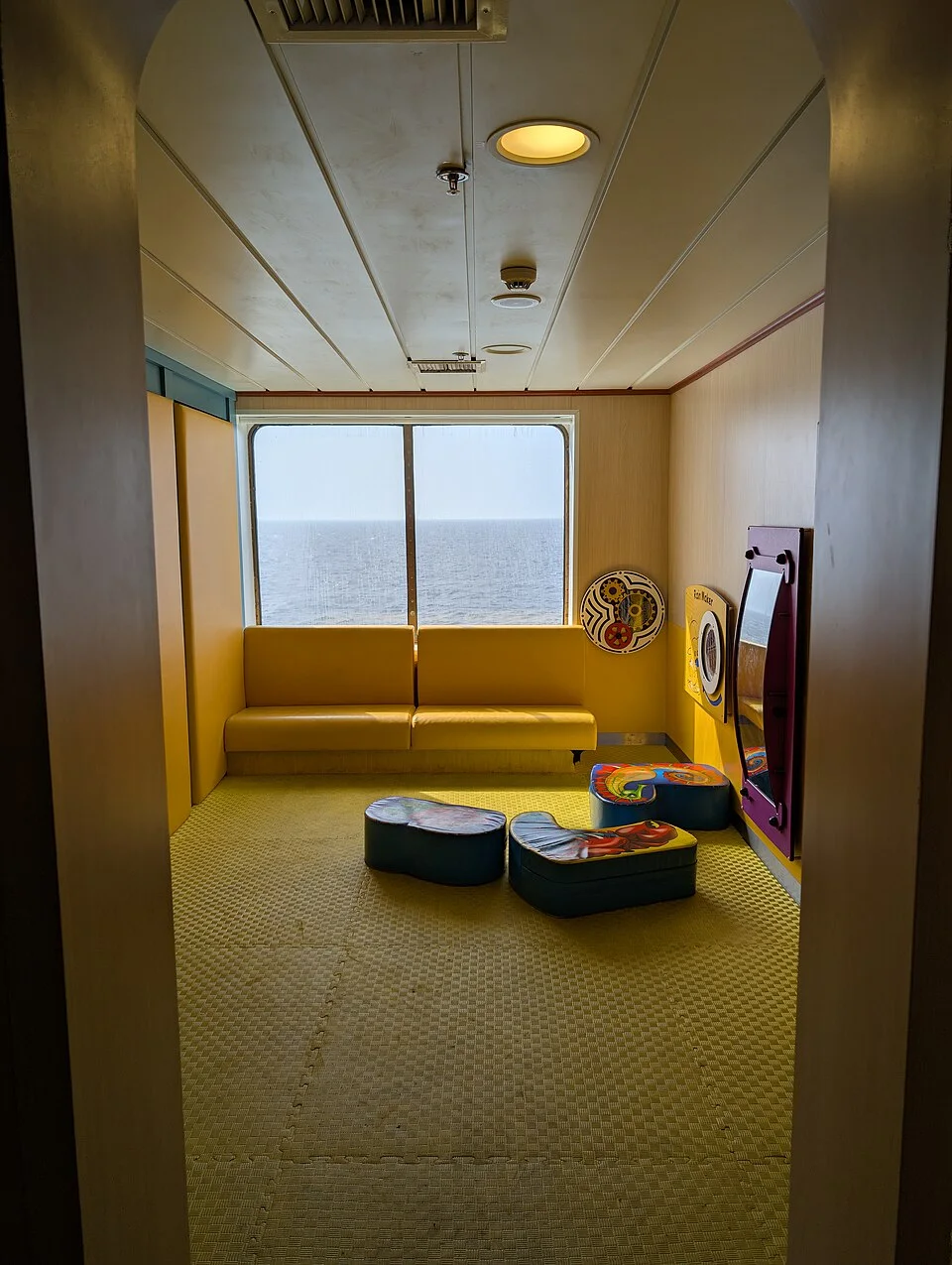
Restaurants and cafés vary by ship and route. Lounges provide comfortable places to relax during the crossing. Family facilities are available on selected vessels. Open decks provide sea views when conditions allow.
Restaurants and cafés
Dining varies by vessel. The Kiel–Oslo cruise ferries provide the broadest restaurant and café
choice, while the shorter crossings focus on practical food and drink options.
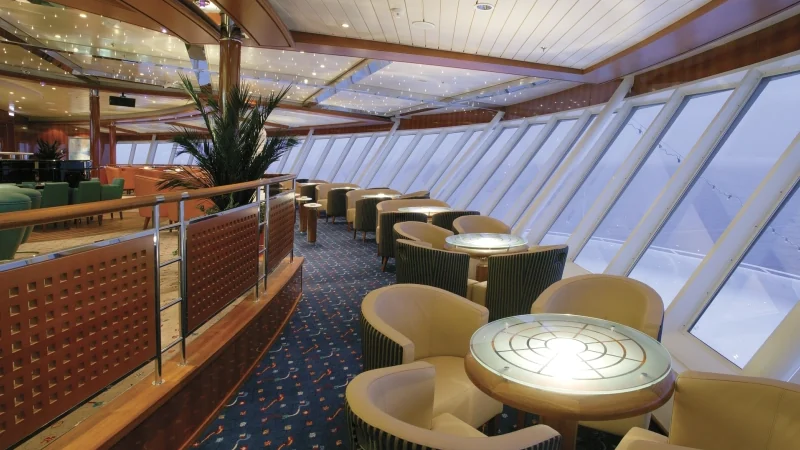
Bars and lounges
Indoor lounges and bar or café areas vary by ship. Overnight vessels provide the widest choice,
while daytime routes focus on comfortable seating and shorter-stay spaces.
Wi-Fi and connectivity
Wi-Fi is available on principal vessels, with packages and performance varying by ship and route.
Satellite connections can be slower than land-based internet.
Onboard shopping
Shopping is available on principal Color Line routes, but the range and opening times vary by ship,
crossing and operational programme.
Family facilities
Family facilities vary by ship. The larger Kiel–Oslo vessels provide the broadest entertainment and
family options, while shorter routes offer a simpler day-ferry product.
Accessibility & assistance
Accessible facilities and assistance are available across the network. Passengers who need help
should notify Color Line when booking and within the published assistance deadline.
This section combines genuine Color Line imagery with selected images from EUFerry's general
ferry-travel library. Observation Lounge photograph: Indav Oy / Kimmo Häkkinen / Color Line.
Road trips across Scandinavia
Cars, motorhomes, caravans and pets
Vehicle travel is central to Color Line. Accurate dimensions matter, gas systems must be secured,
and passengers cannot access the vehicle deck freely during most crossings.
Motorhomes & caravans Popular on the Denmark–Norway routes; declare full length and height, including racks, boxes and trailers. Electric vehicles EVs can travel, but vehicles and small electric mobility devices must follow Color Line’s onboard battery and charging rules. Pets Pets are accepted on normal crossings under route-specific rules, normally in the vehicle, a crate or designated pet area.
Passenger vehicles
Cars and other passenger vehicles are accepted subject to booked deck space. Registration, total
length and height must be accurate; an incorrect booking can cause extra charges or refusal of
travel.
Enter the correct vehicle type and dimensions when booking.
Include racks, roof boxes, trailers or tow bars in the overall size where relevant.
Follow crew instructions for boarding, securing and vehicle-deck access.
Motorhomes & gas
The main gas supply in motorhomes, caravans and similar vehicles must be switched off before
boarding and remain off during the crossing. Color Line may mark the vehicle after checking this.
Declare the full vehicle length and height, including racks, boxes and trailers.
Switch off gas supplies and appliances whenever the operator requires.
Check route-specific rules for gas bottles, fuel and electrical charging before boarding.
Pet arrangements
Dogs, cats and other pets must follow ship-specific arrangements. They are generally not allowed in
public rooms or standard cabins. Necessary EU/EEA/Norwegian pet documentation remains the owner’s
responsibility.
Reserve the required pet space or accommodation before travel.
Carry any pet documents required for the route and destination.
Follow the vessel-specific rules for carriers, kennels, cabins and deck access.
Accessibility
Color Line’s terminals have lifts and accessible toilets, and the vessels provide wheelchair access
to common areas. Assistance requirements should be notified when booking and no later than 48 hours
before departure.
Request assistance when booking or as early as the operator requires.
Confirm accessible boarding, seating, lifts or cabin arrangements for your sailing.
Arrive within the published assistance and check-in window.
Before reaching the terminal
Color Line check-in, documents and boarding
Arrival requirements differ by route. Kiel–Oslo requires the longest lead time for vehicles, while
Sandefjord–Strömstad has a shorter published cut-off. Your booking confirmation remains the final
authority for the specific sailing.
Bring a valid identity document and your booking number to check-in. Allow extra time for border controls, vehicle queues and terminal access on international sailings.
Recommended planning timeline
When booking
Declare the vehicle correctly
Enter the full vehicle length and height, including roof racks, boxes, bicycles, tow bars, caravans
and trailers.
48+ hours
Request special assistance
Notify Color Line of mobility, sensory or emergency-assistance needs when booking and no later than
48 hours before departure.
120 min
Kiel–Oslo with a vehicle
Color Line says guests travelling with their own vehicle should arrive no later than two hours
before departure.
60 min
Kiel–Oslo foot passengers and Denmark–Norway guests
Foot passengers on Kiel–Oslo and all guests on the Hirtshals routes should arrive at least one hour
before departure.
30 min
Sandefjord–Strömstad
Reserved places should be checked in no later than 30 minutes before departure; arriving earlier is
sensible during busy periods.
Choose the Norwegian gateway first
Which Color Line route makes sense?
If you are driving from Germany or central Europe and want to avoid a long motorway journey through
Denmark and Sweden, Kiel–Oslo can be exceptionally convenient. The ferry departs in the afternoon,
you sleep in a private cabin and arrive in central Oslo the next morning. The higher fare and
mandatory cabin should be weighed against fuel, tolls, bridge charges, hotel costs and driver
fatigue on the overland alternative.
For Denmark-based travel, Hirtshals gives you two Norwegian arrival choices. Kristiansand is ideal
for southern Norway, the Setesdal area and routes westward along the south coast. Larvik can be
better for Telemark, the Oslo region and road journeys heading north or east. Compare total driving
time after disembarkation rather than simply choosing the shortest ferry crossing.
Sandefjord–Strömstad is best understood as a short regional bridge between Sweden and Norway. It can
be useful for travellers already moving along Sweden’s west coast, and Color Hybrid makes the
sailing a distinctive lower-emission harbour experience. It is not a substitute for Kiel–Oslo if
your starting point is in Germany.
Whichever route you use, look at the full round trip. A route that is perfect on the outward journey
may not be best for the return once your itinerary has moved across Norway. EUFerry’s comparison
approach is designed to help you evaluate the ferry as part of the whole road journey.
Common planning questions
Color Line Ferries FAQs
Where does Color Line operate?
Color Line operates four international passenger and vehicle ferry routes connecting Norway with
Germany, Denmark and Sweden: Kiel–Oslo, Hirtshals–Kristiansand, Hirtshals–Larvik and
Strömstad–Sandefjord.
How long is the Color Line ferry from Kiel to Oslo?
The Kiel–Oslo crossing is an overnight service. Current schedules show daily departures at 14:00
from both ports with arrival at 10:00 the following morning, giving a journey of about 20 hours.
How long are the Color Line ferries from Hirtshals to Norway?
The Hirtshals–Kristiansand crossing takes about 3 hours 15 minutes, while Hirtshals–Larvik takes
about 3 hours 45 minutes. Both routes are operated by the SuperSpeed ships.
How long is Sandefjord to Strömstad with Color Line?
The Color Hybrid crossing between Sandefjord in Norway and Strömstad in Sweden takes about 2 hours 30 minutes.
Do I need a cabin on Color Line Kiel–Oslo?
Yes. Color Line states that a cabin must be booked on the Kiel–Oslo route. Color Magic and Color
Fantasy offer a wide range of cabin categories, including higher-grade Color Class and suite
accommodation.
How early should I arrive for Color Line?
For Kiel–Oslo, passengers with vehicles should arrive no later than 120 minutes before departure and
foot passengers no later than 60 minutes. For Denmark–Norway, guests with or without vehicles should
arrive at least 60 minutes before departure. On Sandefjord–Strömstad, Color Line says reserved
places should be checked in no later than 30 minutes before departure.
Can I take a car or motorhome on Color Line?
Yes. Color Line carries cars, motorcycles, motorhomes, caravans and other passenger vehicles subject
to the booked dimensions and available vehicle-deck space. Vehicle length and height, including roof
racks or trailers, must be declared accurately.
Can pets travel on Color Line?
Yes on ordinary ferry crossings, subject to route and ship rules. Pets generally remain in the
vehicle, a designated crate or specified outdoor/dog area and are not normally permitted in public
rooms or standard cabins. Pets are not accepted on the 2-day Cruise to Oslo product.
Is Color Line accessible for passengers with reduced mobility?
Yes. Color Line says its terminals and ships are adapted for passengers with disabilities, with
lifts and accessible facilities. Special assistance or emergency-support needs should be advised
when booking and no later than 48 hours before departure.
How much luggage can I take on Color Line?
Color Line permits each passenger up to 50 kg of baggage or 0.5 cubic metres, in addition to luggage
kept in a vehicle. Oversized non-personal items may be treated as cargo.
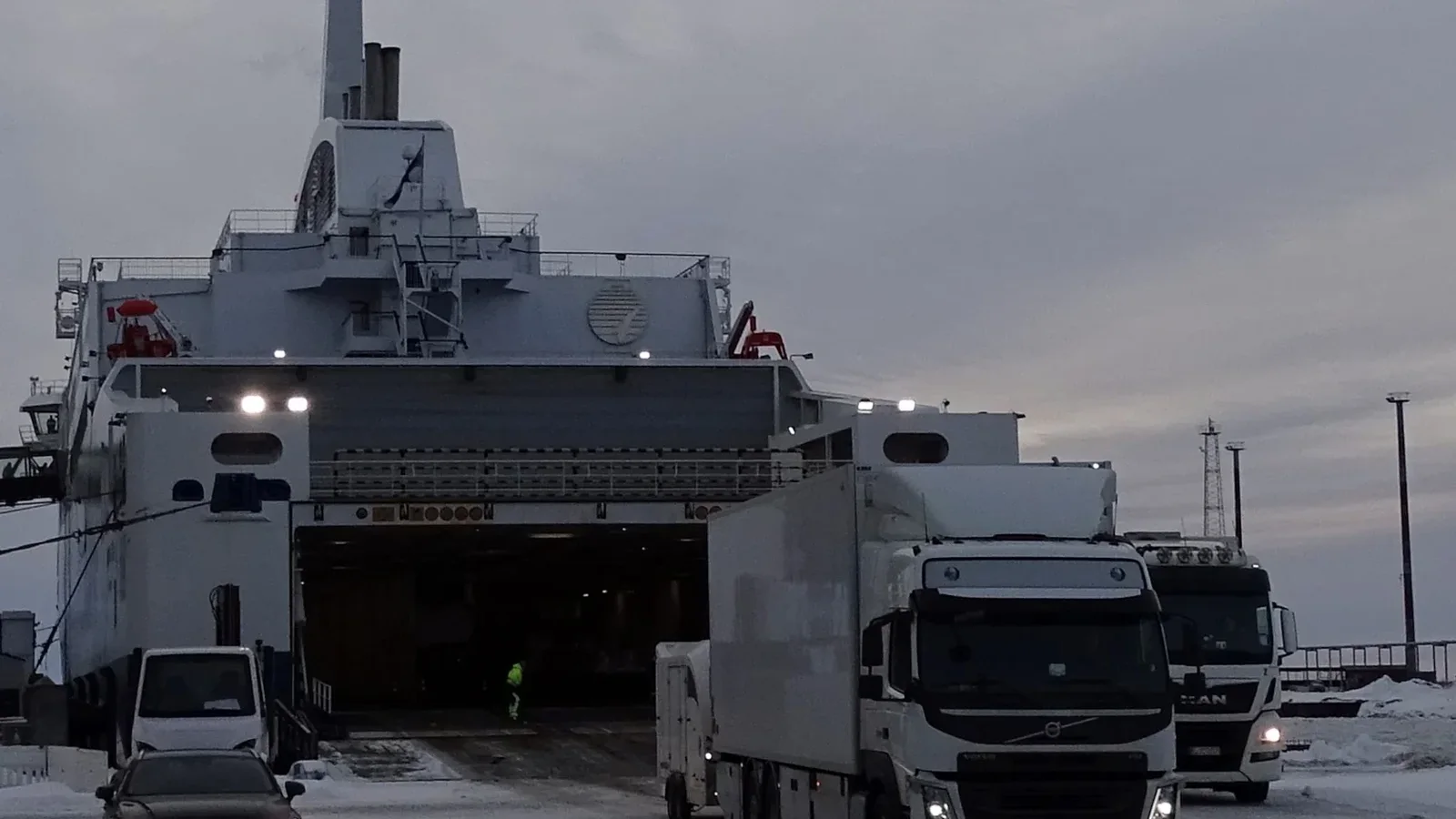
Facility photographs are examples; the vessels shown are identified below. Facilities vary by ship.
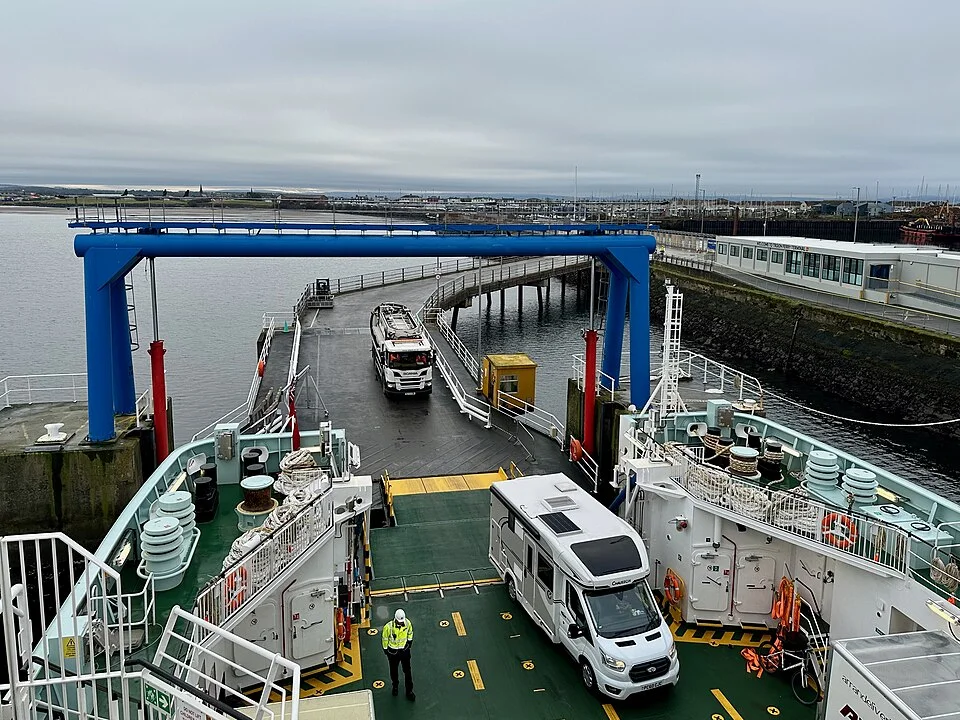
250120 1029 MV Glen Sannox loading, Port of Troon ferry terminal.jpg — Dave souza; CC BY-SA 4.0. Source: https://commons.wikimedia.org/wiki/File:250120_1029_MV_Glen_Sannox_loading,_Port_of_Troon_ferry_terminal.jpg. Licence: https://creativecommons.org/licenses/by-sa/4.0. Resized for display.
Cabin on MV Hrossey - geograph.org.uk - 7254252.jpg — Oliver Dixon; CC BY-SA 2.0. Source: https://commons.wikimedia.org/wiki/File:Cabin_on_MV_Hrossey_-_geograph.org.uk_-_7254252.jpg. Licence: https://creativecommons.org/licenses/by-sa/2.0. Resized for display.
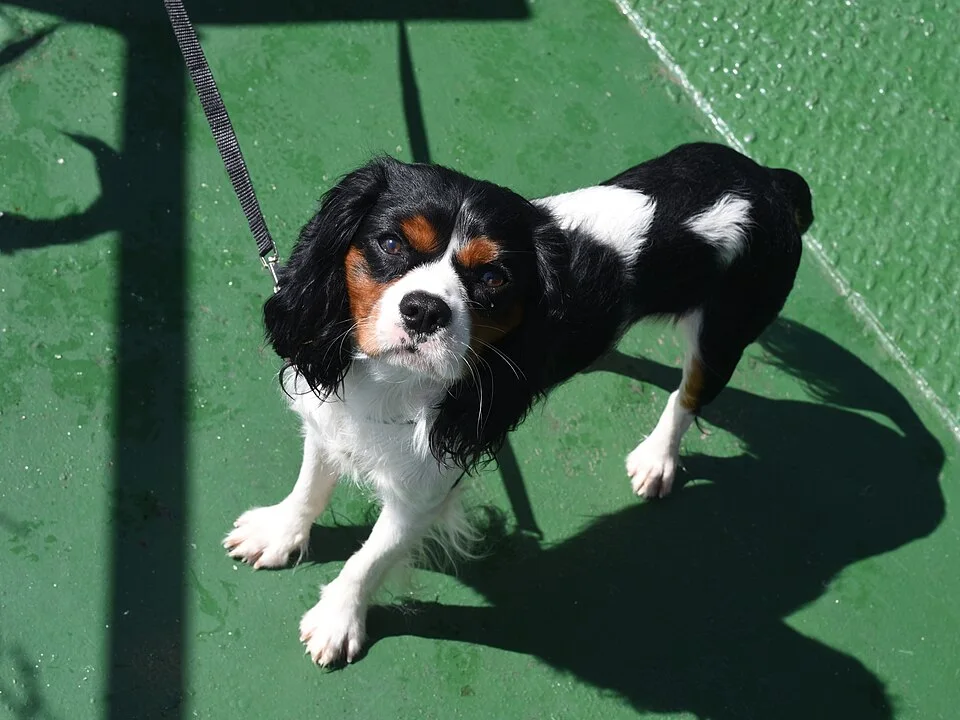
Cavalier King Charles Spaniel (49687542022).jpg — Chris Hunkeler from Carlsbad, California, USA; CC BY-SA 2.0. Source: https://commons.wikimedia.org/wiki/File:Cavalier_King_Charles_Spaniel_(49687542022).jpg. Licence: https://creativecommons.org/licenses/by-sa/2.0. Resized for display.
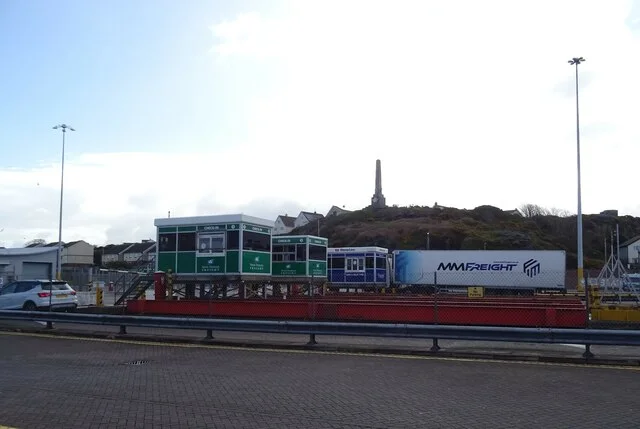
Check-in, Holyhead Ferry Terminal - geograph.org.uk - 7757104.jpg — JThomas; CC BY-SA 2.0. Source: https://commons.wikimedia.org/wiki/File:Check-in,_Holyhead_Ferry_Terminal_-_geograph.org.uk_-_7757104.jpg. Licence: https://creativecommons.org/licenses/by-sa/2.0. Resized for display.
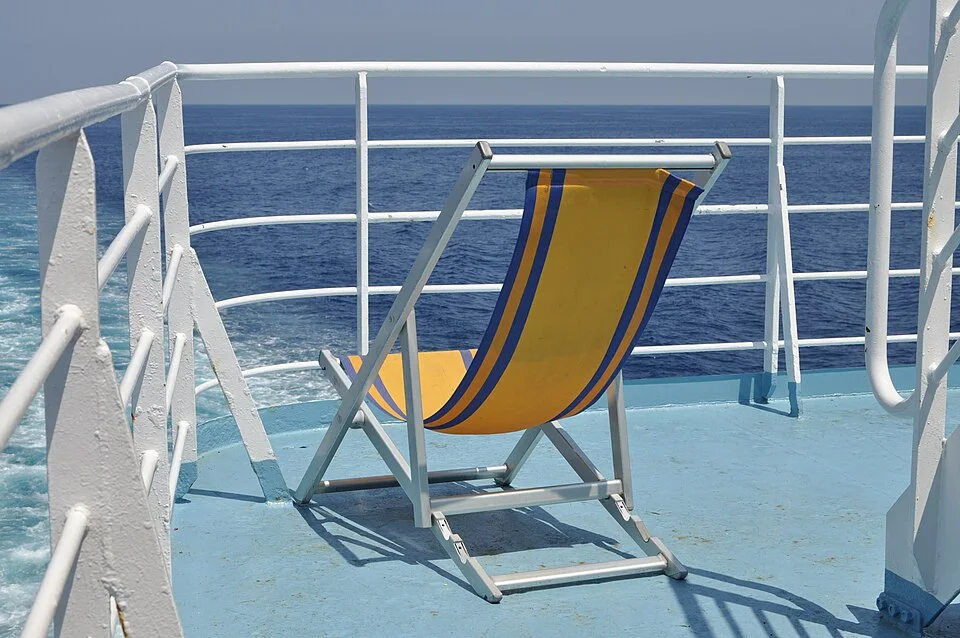
Deckchair on ferry.jpg — User:Amada44; CC BY 3.0. Source: https://commons.wikimedia.org/wiki/File:Deckchair_on_ferry.jpg. Licence: https://creativecommons.org/licenses/by/3.0. Resized for display.
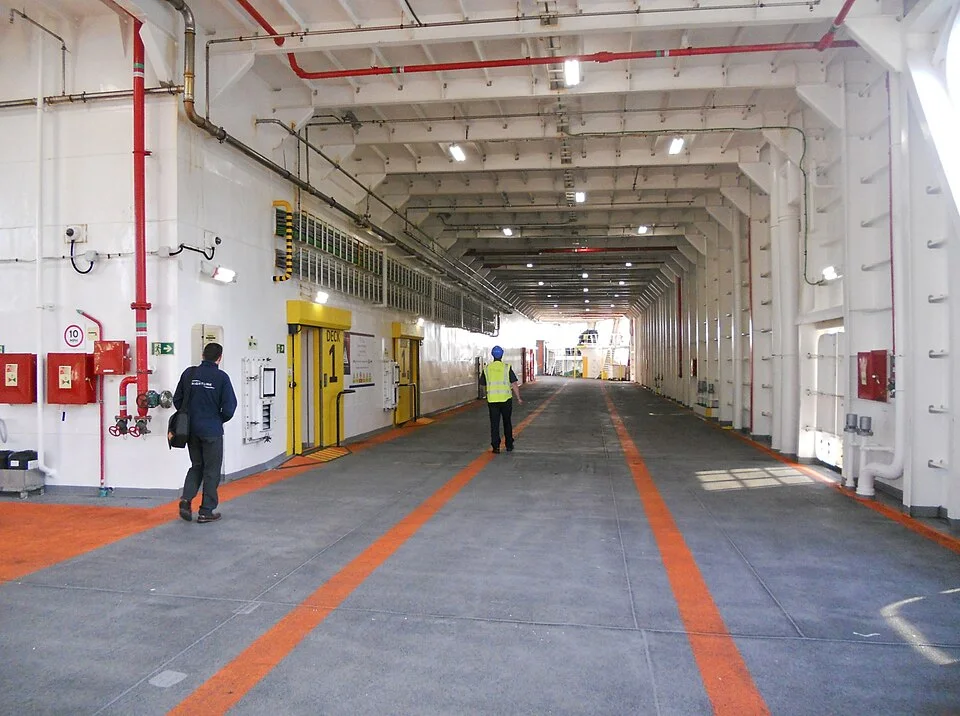
Vehicle deck on the Victoria of Wight (Wightlink ferry).jpg — ITookSomePhotos; CC BY-SA 4.0. Source: https://commons.wikimedia.org/wiki/File:Vehicle_deck_on_the_Victoria_of_Wight_(Wightlink_ferry).jpg. Licence: https://creativecommons.org/licenses/by-sa/4.0. Resized for display.



 4 international routes
 5-vessel fleet
 Cars, motorhomes & caravans