


Plaza Alta
See the tiled central square, church façades and one of the city’s most recognisable civic spaces.

Explore Algeciras as both a ferry gateway and a destination, then use EUFerry to connect practical port information with current route and fare searches.
A maritime crossroads between Europe and Africa
Algeciras occupies the western side of the bay opposite Gibraltar, only a short distance from the narrowest part of the Strait. Its identity is inseparable from the port, which has made the city one of the most important maritime gateways between Europe and North Africa.
The centre is more lived-in and practical than resort-like, which is part of its character. Plaza Alta, the Mercado Ingeniero Torroja, Parque María Cristina and the older streets around San Isidro give visitors a sense of the city beyond the ferry terminal.
The shoreline also offers a different side of Algeciras. Getares and El Rinconcillo provide beach time, while Punta Carnero and other viewpoints around the bay open up wide views across the Strait towards Gibraltar and the North African coast.
For ferry travellers, Algeciras is primarily a gateway to Ceuta and Tanger Med. Services can be very frequent, especially in peak travel periods, but weather and heavy seasonal traffic can still affect port operations, so live departure information matters.
Algeciras can also be used as a base for exploring the Campo de Gibraltar, Tarifa and Los Alcornocales Natural Park. Rail and long-distance bus links connect the city with the rest of Andalusia, while a car gives more freedom along the Strait coast.
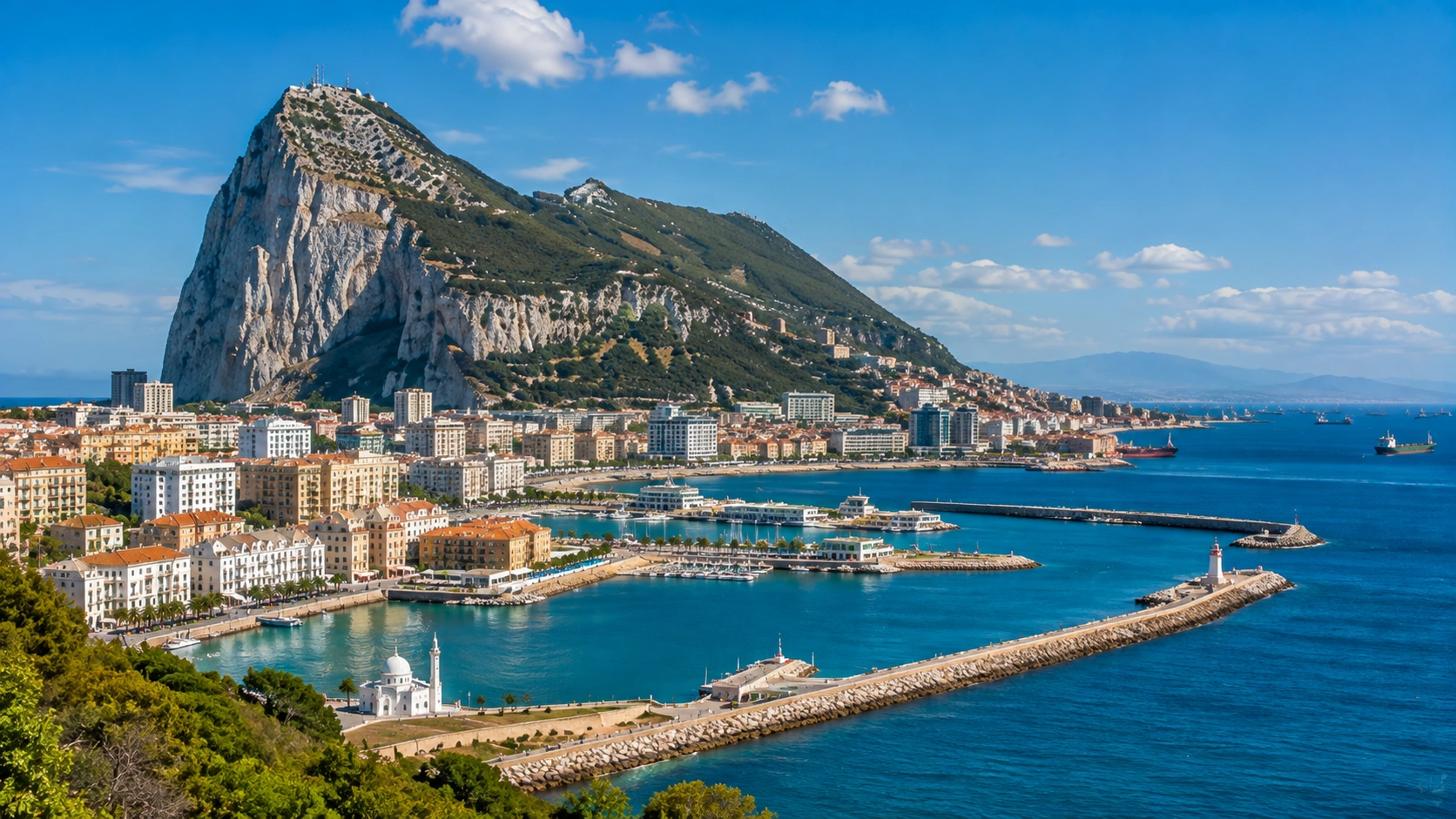
Algeciras is often treated purely as a transit point, but a little time reveals a historic centre, beaches and some of the best cross-Strait viewpoints in southern Spain.
See the tiled central square, church façades and one of the city’s most recognisable civic spaces.
Visit the distinctive circular market for everyday local life, fresh produce and a useful taste of the city.
Take a break in the central park, an easy green stop between the station, shopping streets and historic centre.
Head south of the port for a sandy beach backed by hills and views towards the Strait.
Follow the coast for dramatic perspectives across the water towards Gibraltar and North Africa.
Explore older streets and the city’s strong flamenco connection, including its association with guitarist Paco de Lucía.
Browse tours, activities and experiences around Algeciras, Gibraltar, Tarifa and the Strait of Gibraltar.
Tours and activities displayed in this section are supplied through Viator. Availability, descriptions and prices are provided by the activity supplier and can change.
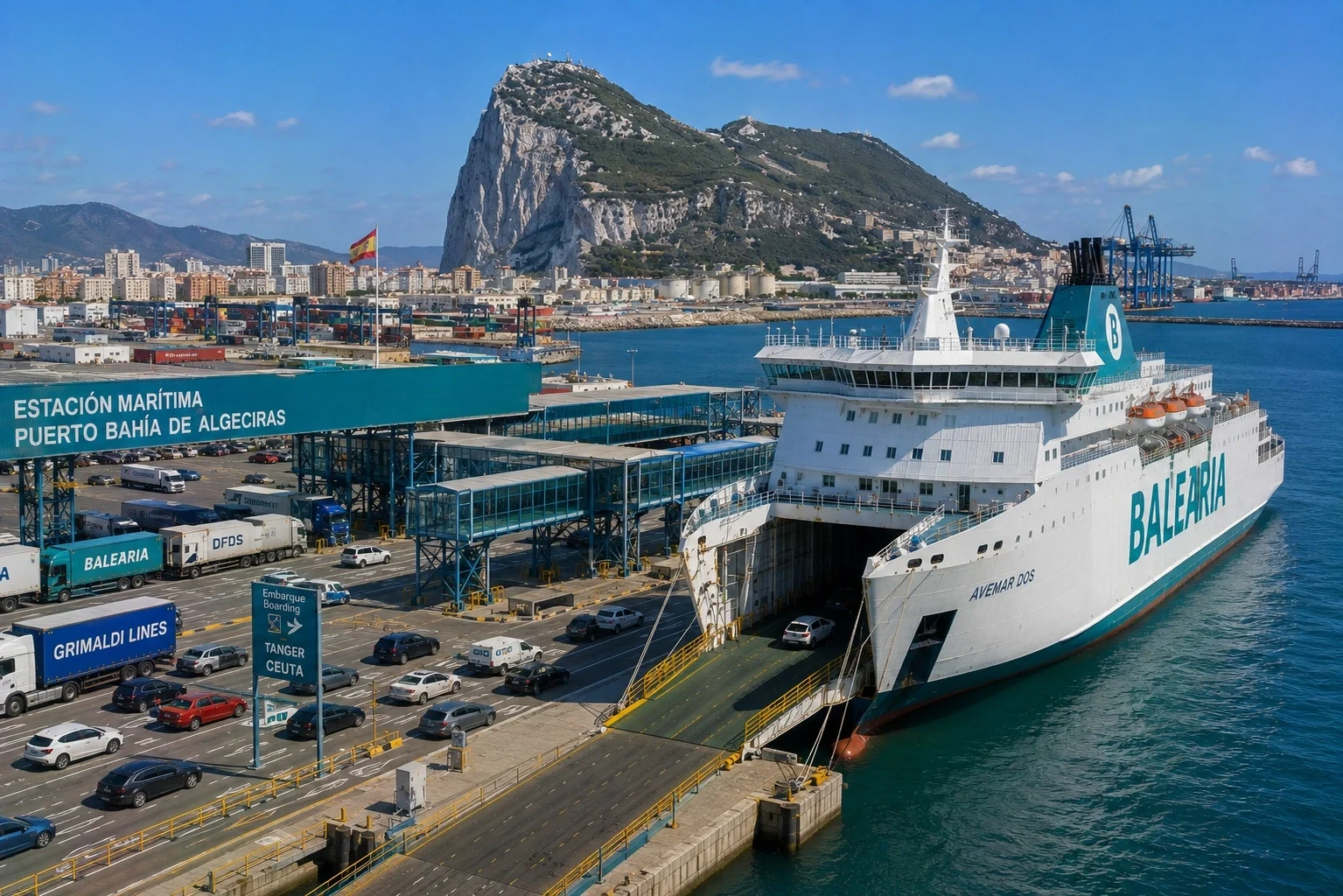
The Port of Algeciras passenger terminal is the city’s main ferry hub for journeys to Ceuta and Tanger Med. Ticket offices, operator desks, passport controls and embarkation lounges are concentrated in the terminal complex, making it a high-volume international passenger gateway.
Ferries across the Strait operate throughout the year, with multiple departures on busy days. Algeciras–Ceuta and Algeciras–Tanger Med are the core passenger routes. Because these are border crossings and the port handles very high seasonal traffic, travellers should allow time for check-in, document controls and vehicle processing.
Weather in the Strait can disrupt or delay sailings even on routes with normally high frequency. Use live port and booking information on the day of travel rather than relying on a generic frequency or crossing time.
The station, bus terminal, centre and port are relatively close together, while regional transport opens up Gibraltar, Tarifa and the wider Campo de Gibraltar.
Plaza Alta, the market, Parque María Cristina and the station area can be combined comfortably on foot.
Algeciras has rail and coach links into Andalusia, useful if you are travelling without a car before or after a ferry.
Find Algeciras rail tickets here...A car is useful for Getares, Punta Carnero, Tarifa, Los Alcornocales and other stops around the Campo de Gibraltar.
An overnight stay can remove pressure from an early ferry or late arrival and gives enough time to see central Algeciras, the bay or nearby beaches before continuing across the Strait.
The passenger terminal is inside the Port of Algeciras, close to the central railway and bus stations and the city centre.
The two principal passenger ferry destinations are Ceuta and Tanger Med in Morocco.
The Strait routes normally have multiple departures, with particularly intensive service in busy periods. Always check the live timetable because weather and port conditions can change operations.
Plaza Alta, Mercado Ingeniero Torroja, Parque María Cristina, Getares Beach and viewpoints around the Bay of Algeciras make a useful short itinerary.
Yes if it makes your ferry connection more comfortable. An overnight stop can also give time for the old centre, beach or a wider Strait excursion.
International travel to Tanger Med requires the correct passport and any visa or entry documents applicable to your nationality. Ceuta journeys also involve border and identity controls appropriate to the route.
Yes on vehicle-carrying sailings. Book the vehicle correctly and allow extra time for check-in, customs and border processing.
Yes. Strong winds and sea conditions in the Strait of Gibraltar can delay or suspend sailings, so check live port information before travelling.
Check live sailing options, passenger fares, vehicle prices and onboard accommodation for your travel dates.


